
The Times Of India Podcast
The Times of India podcast expands storytelling and reportage from India’s largest newsroom. It puts the spotlight on ideas, people, and stories that matter from Monday to Friday. The show covers current affairs and features analysis from the publication. It also directs listeners to TOI+ for additional views and commentary.
Episodes
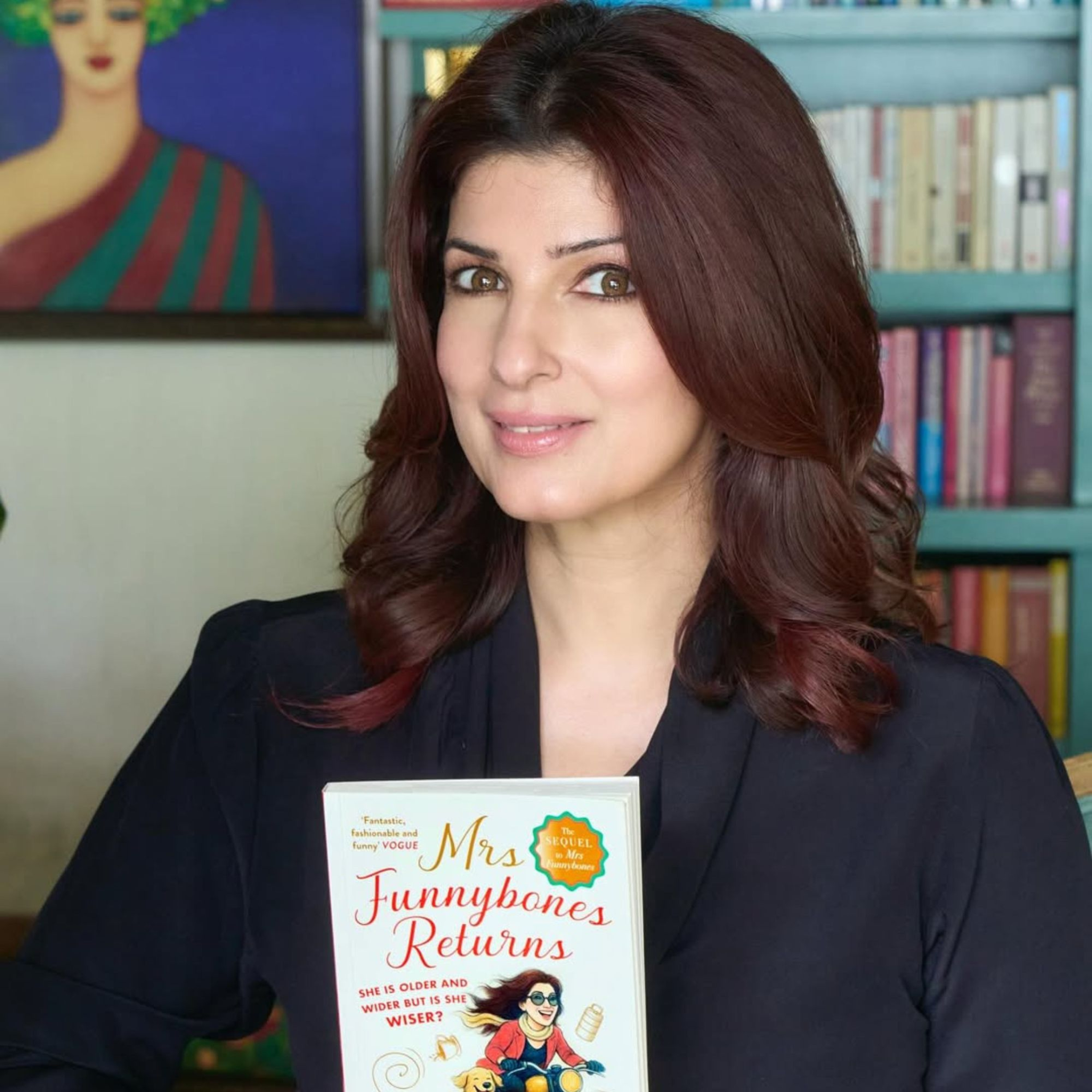
Why Mrs Funnybones no longer feels the need to always be funny
Twinkle Khanna's been writing the Mrs Funnybones column for a decade now and has a collection of columns from over the years compiled into a new book titled 'Mrs Funnybones Returns'. In this episode she's in conversation with The Sunday Times editor Neelam Raaj - who got her to start writing the column and has edited it for a decade. Twinkle talks about how she got started on the c
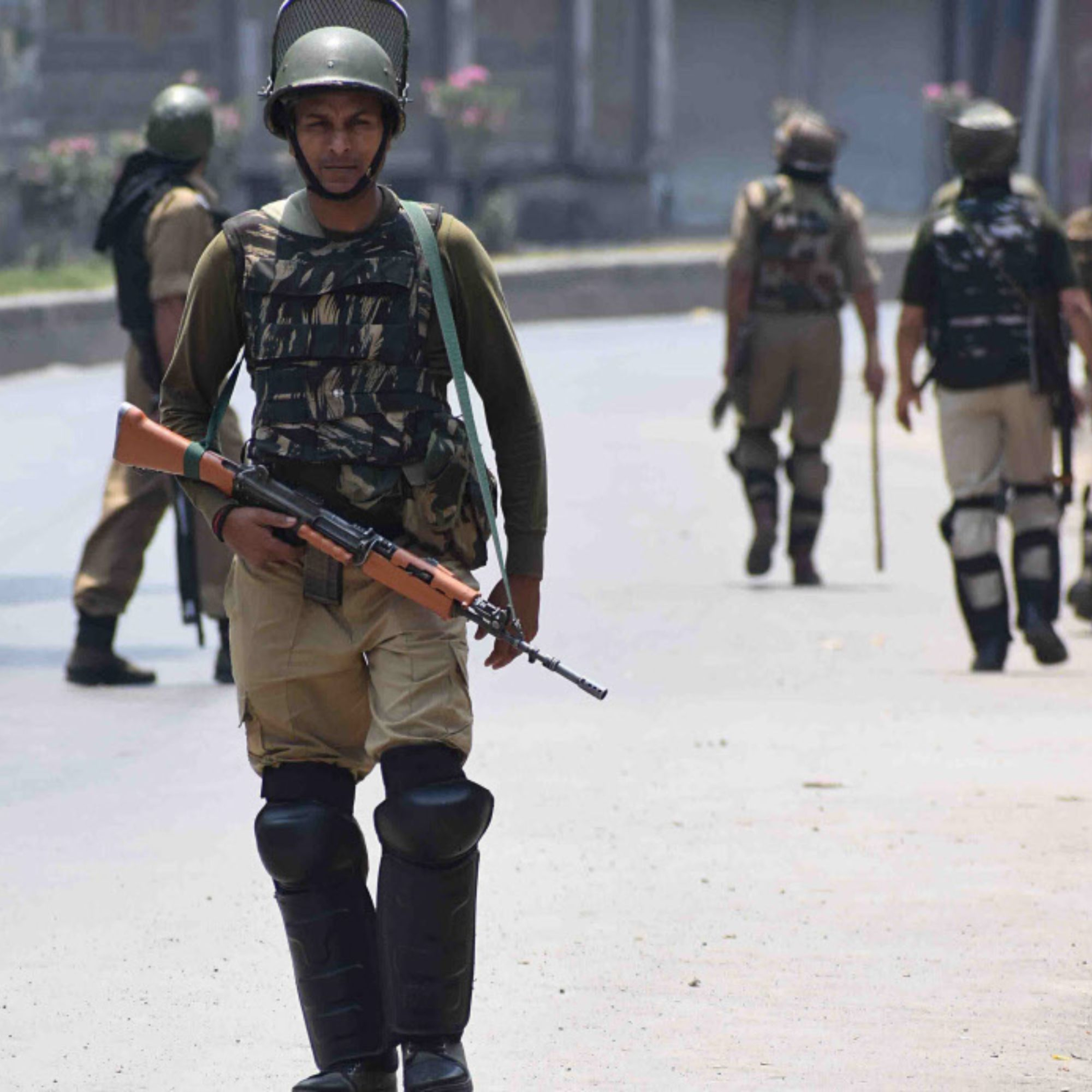
'My job is to hold a mirror to what is happening on the ground'
Journalist-columnist Harinder Baweja talks about writing about conflict over four decades, terrorism in Punjab, her multiple trips to Pakistan, exposing Pakistan’s claims on Pakistan-occupied Kashmir and more that are documented in her new book.
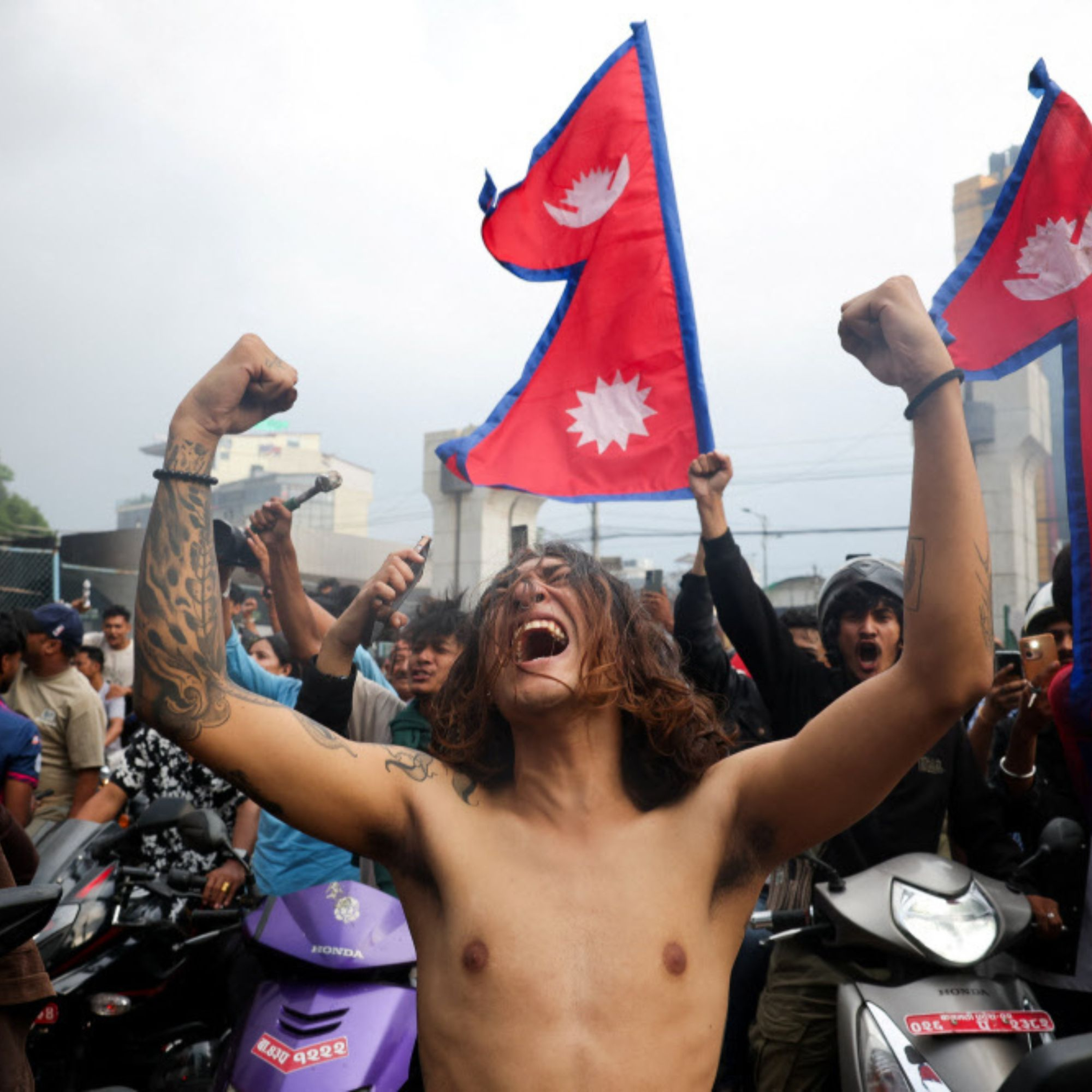
'Gen Z' forces out Nepal's political class, but what next?
The Prime Minister has resigned, political leaders were attacked in the streets, the Nepal Army is now in charge. Roman Gautam, editor of magazine Himal Southasian and resident of Kathmandu, explains why 'Gen Z' protests in Nepal erupted, why it brought down a government and what next for Nepal.

'It is the number of idiots that give dignity to a stupid idea'
Poet, lyricist and screenwriter Javed Akhtar was recently invited to a Urdu literature festival in Kolkata and then saw the invite withdrawn after Muslim groups objected to his presence, on the grounds that he is an atheist. In this episode, he speaks with Alka Dhupkar about his atheism, why a community can't claim ownership over a language and why he's happy to receive abuse for his views from al
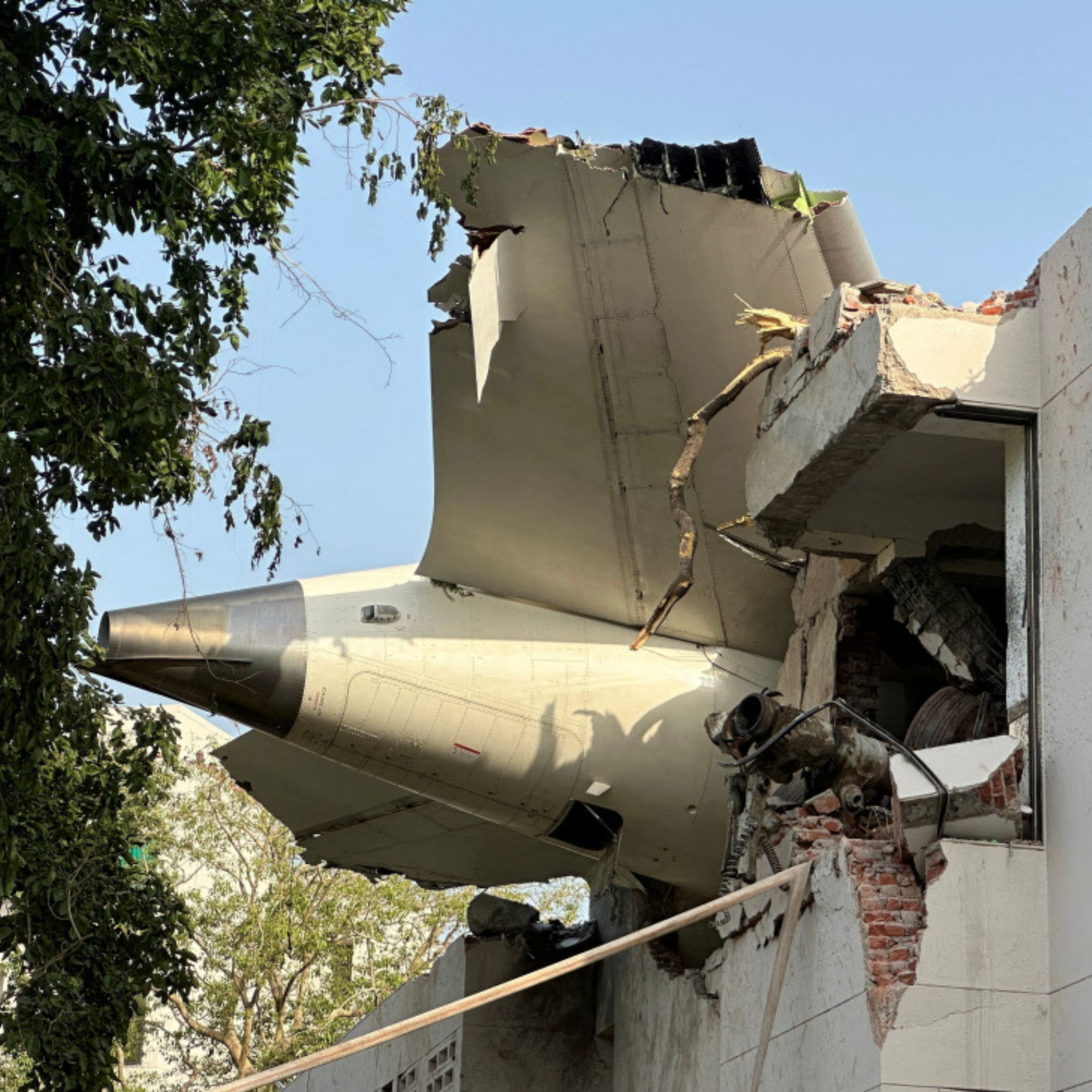
How much safer is flying in India after AI-171?
The preliminary report on the Air India flight’s crash in Ahmedabad has raised more questions instead of answering them. Captain Amit Singh, co-founder of aviation safety think-tank Safety Matters Foundation, explains the problems with the report, what it should have done and what India can do to make its skies safer.
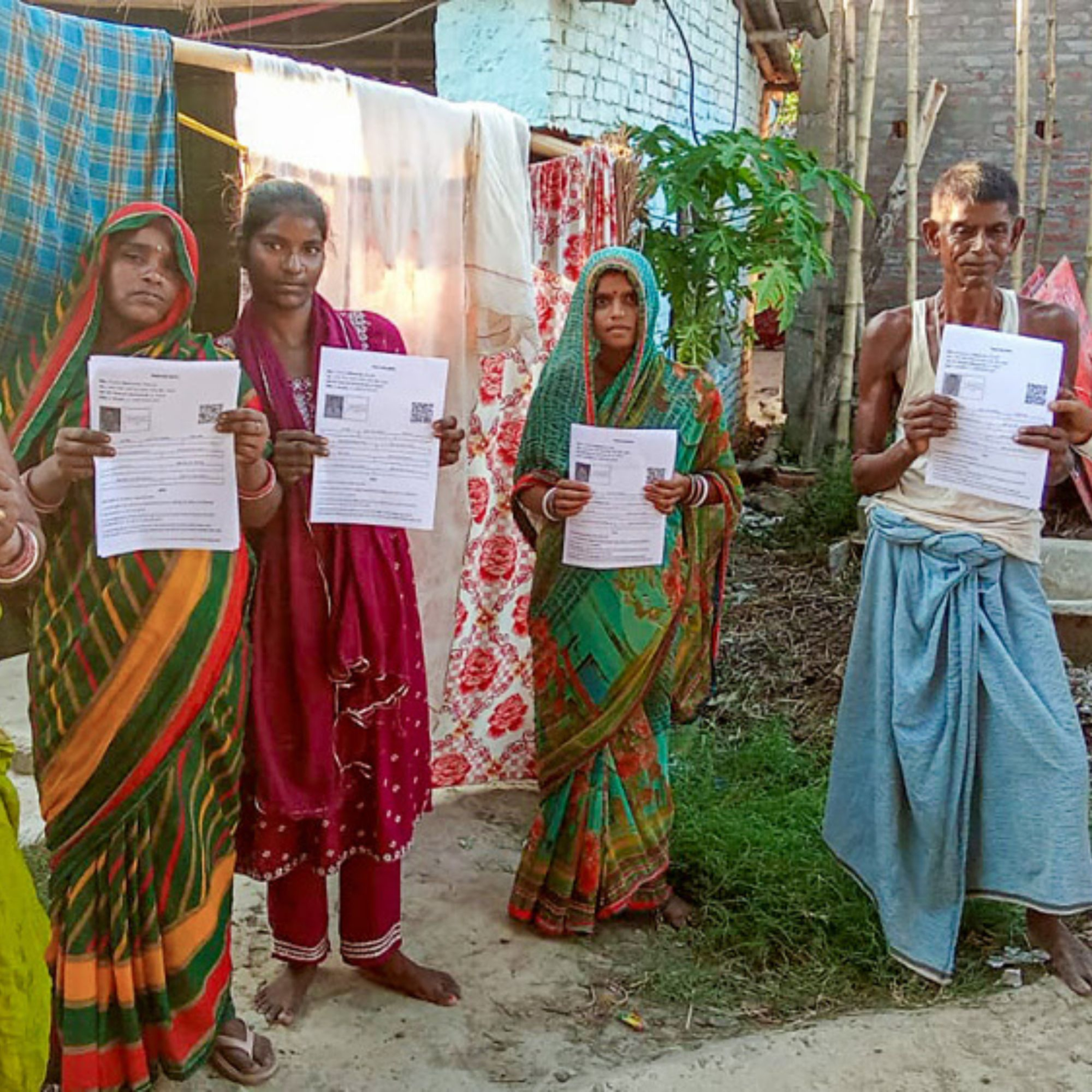
Is the revision of electoral rolls in Bihar too intensive?
There has been a lot of opposition to the Special Intensive Revision of electoral rolls from opposition parties and there are multiple petitions against it in the Supreme Court. One of the petitioners, Prof Jagdeep Chhokar, co-founder of the Association for Democratic Reforms (ADR), explains why they have opposed the Election Commission's drive and the many problems they see in this initiative
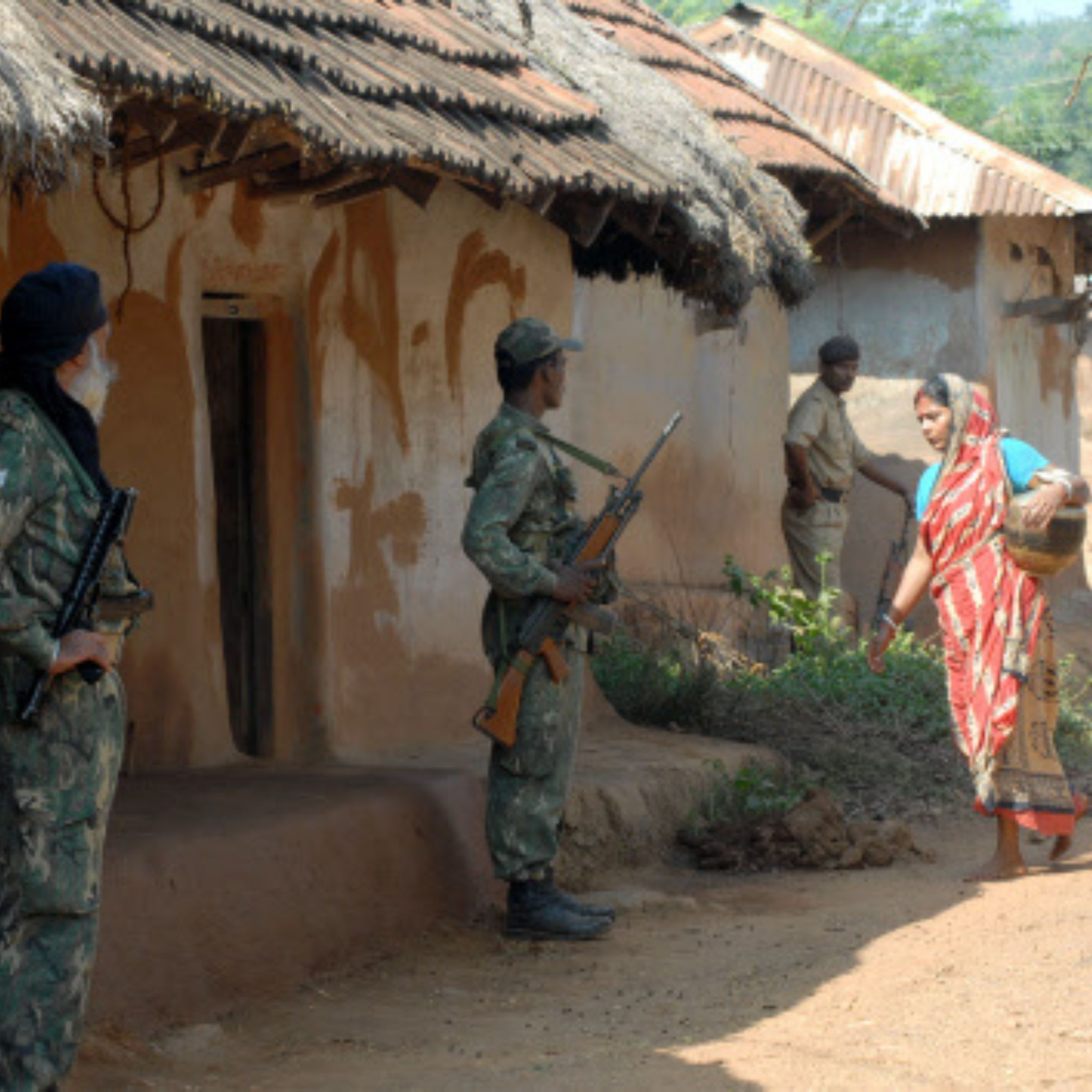
Top Maoist leader killed, will India meet its 2026 'deadline'?
Author and security analyst Sudeep Chakravarti - a long-time observer of the Maoist rebellion - explains what the Indian state really needs to do to end Maoism completely.
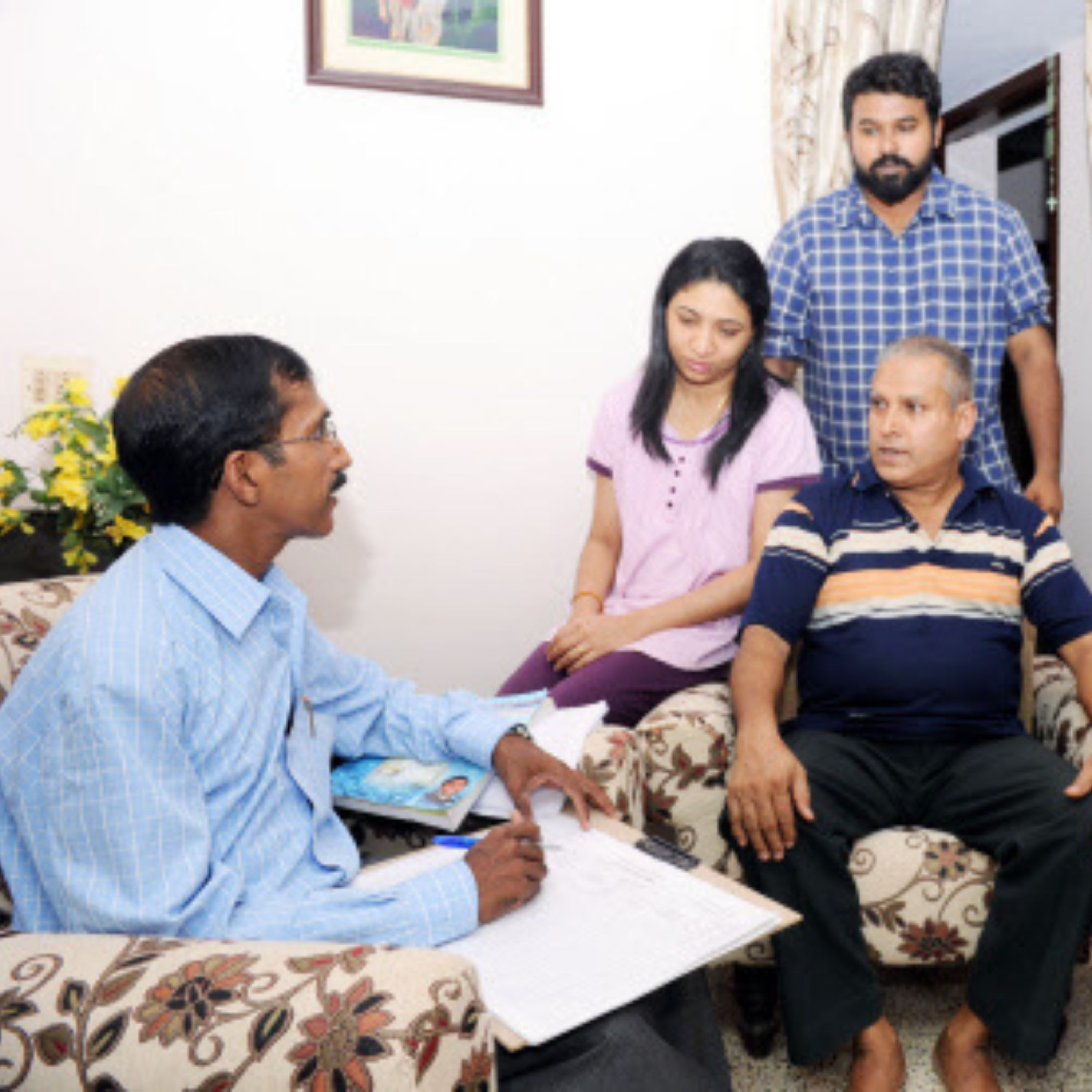
When caste data is there but isn't released
Even as the central government plans to conduct a caste census across the country, Karnataka has data on the socio-economic data of backward castes in the states for nearly a decade that it hasn't released fully. Political analyst and author Sugata Srinivasaraju explains the partial release of data and why the state may have inspired caste-based reservations in India in the past, it hasn't done ve
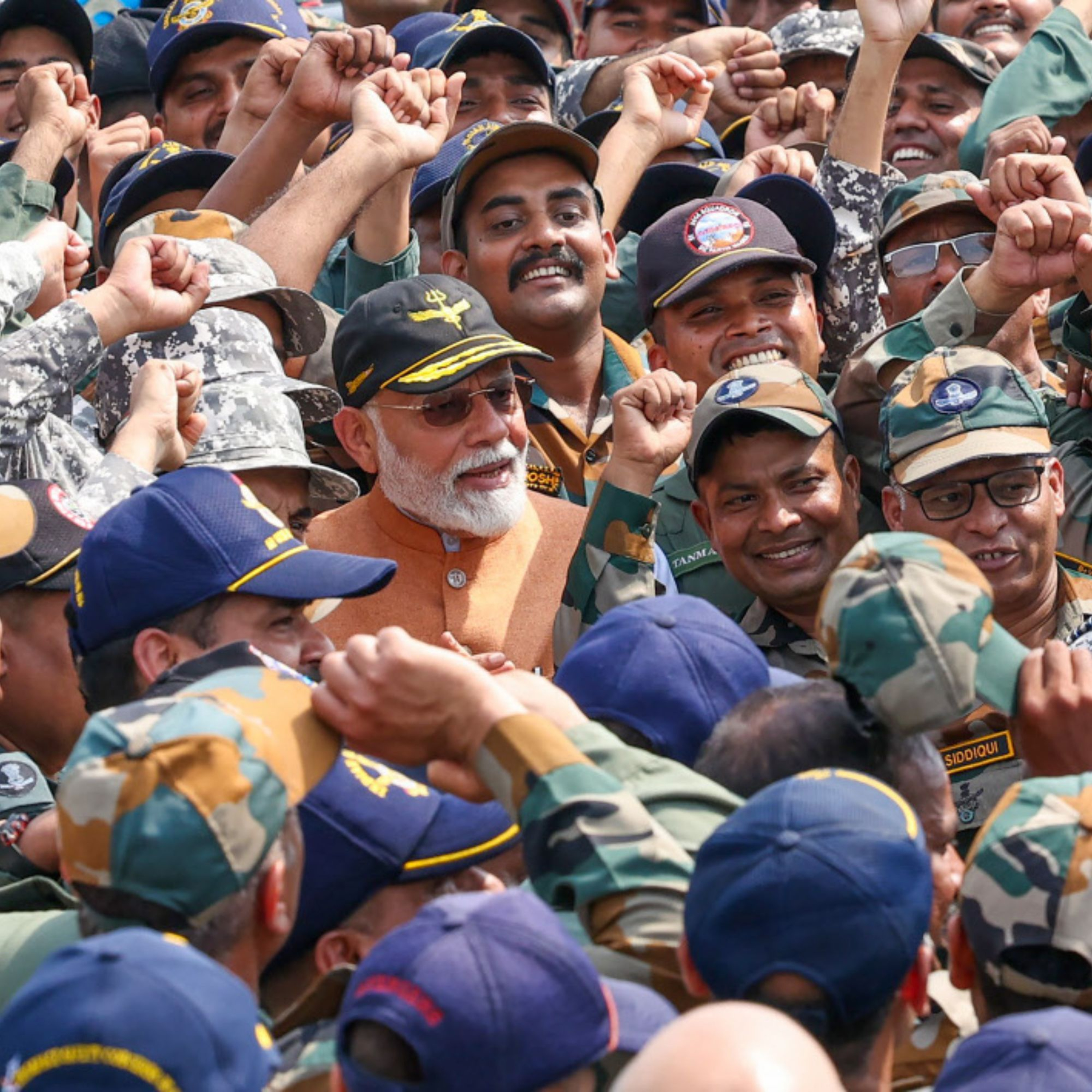
Why India and Pakistan can claim victory after Operation Sindoor
Strategic affairs analyst Manoj Joshi decodes the ceasefire between India and Pakistan, how much both sides gained and lost with Operation Sindoor, the role the US played, China's role in the conflict and what it means for the future of ties between the two nations.
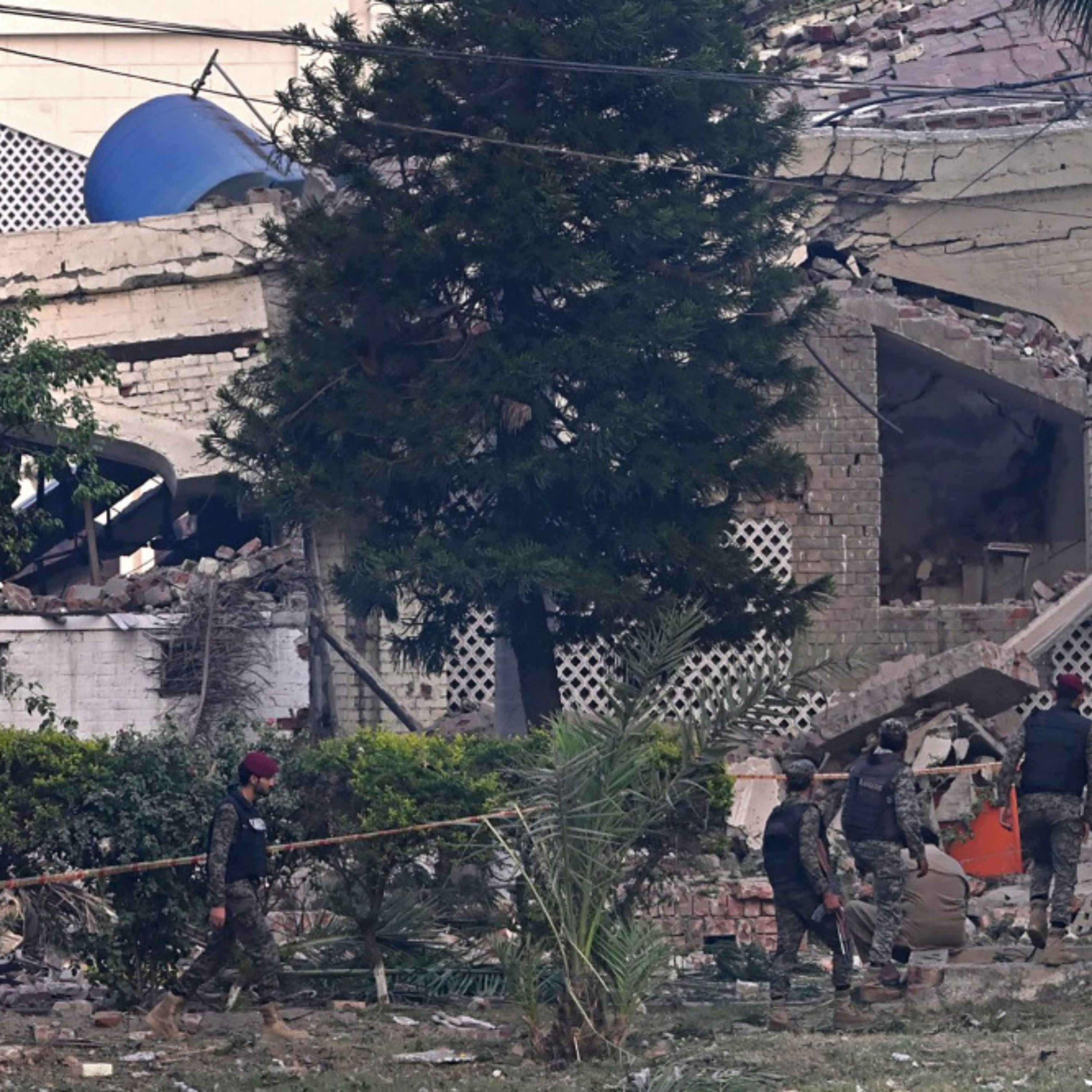
What will decide how high India-Pakistan tensions go after Operation Sindoor
Commodore (retd) C Uday Bhaskar, director of think-tank Society for Policy Studies, talks about the significance of Operation Sindoor, what will decide how high tensions go between India and Pakistan and which country will decide if Pakistan escalates things.
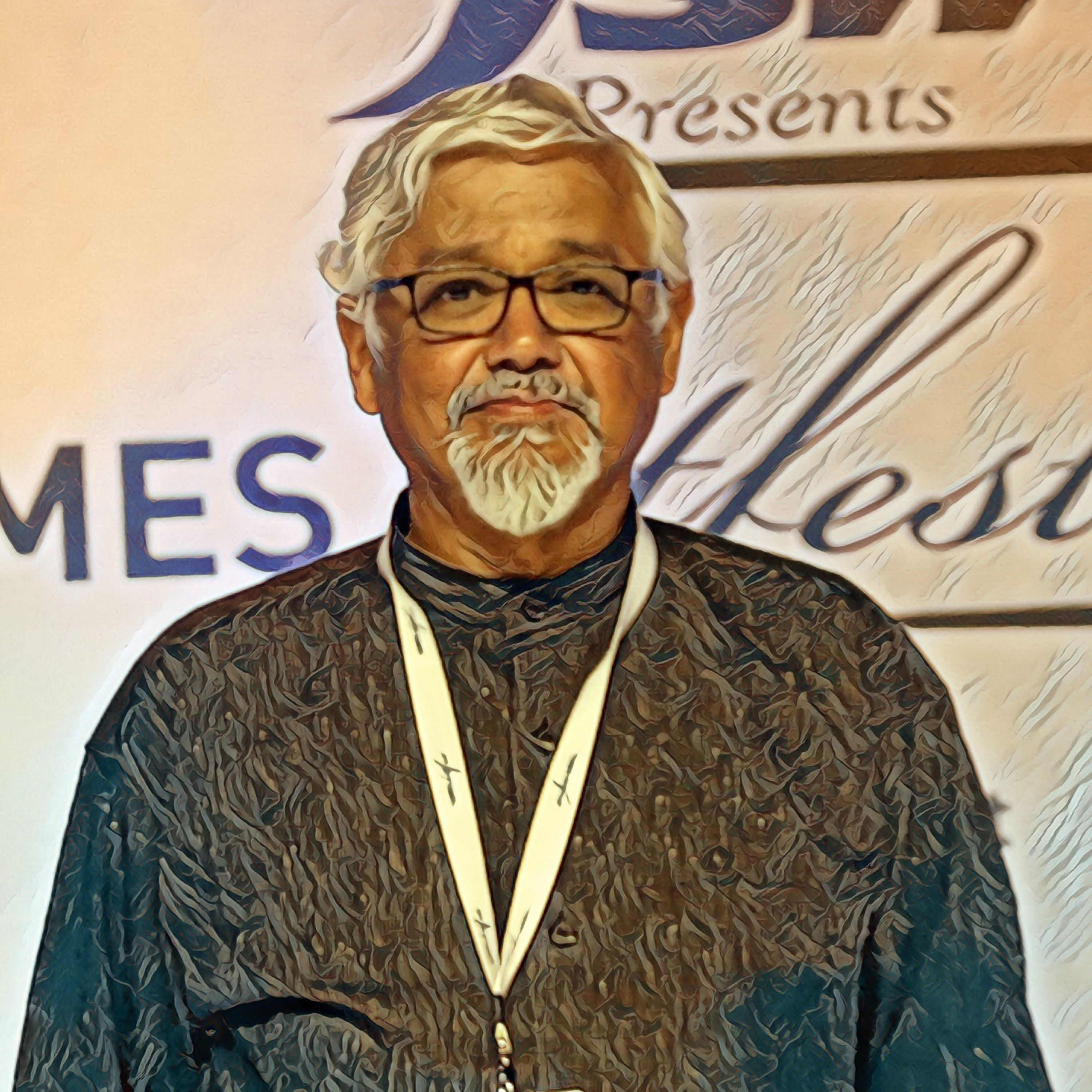
Climate movement's mistake, Donald Trump's 2009 reality and Indians writing from World War 1
A conversation with Amitav Ghosh, after the release of his latest book Wild Fictions, in which he tells us about the turning point for him as a writer and more
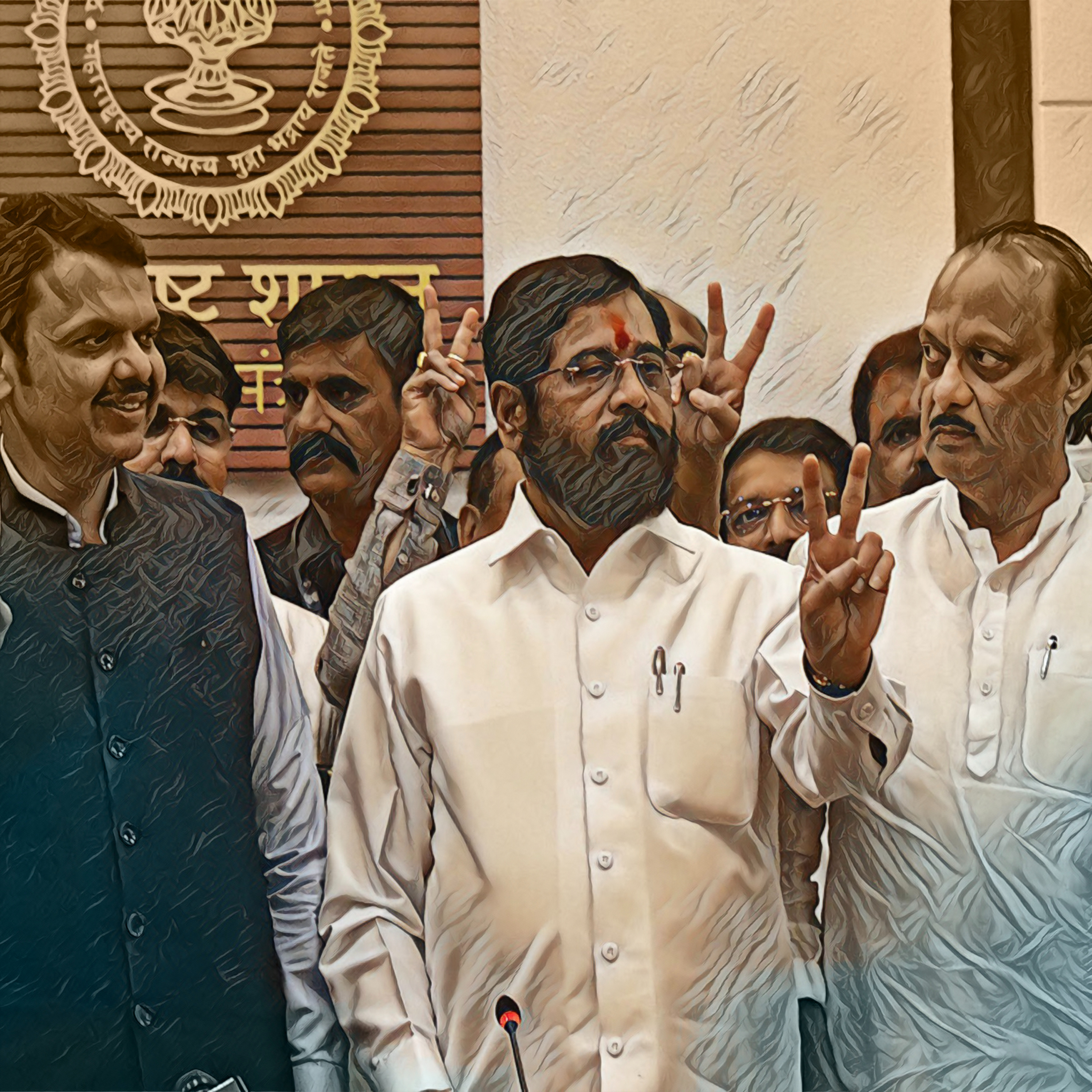
What a Maha win means for BJP in the state and country
Suhas Palshikar, co-director of electoral think-tank Lokniti and an eminent political scientist, explains what this Maharashtra electoral verdict means for the future of opposition parties and why the BJP would want to get rid of its allies in the state.
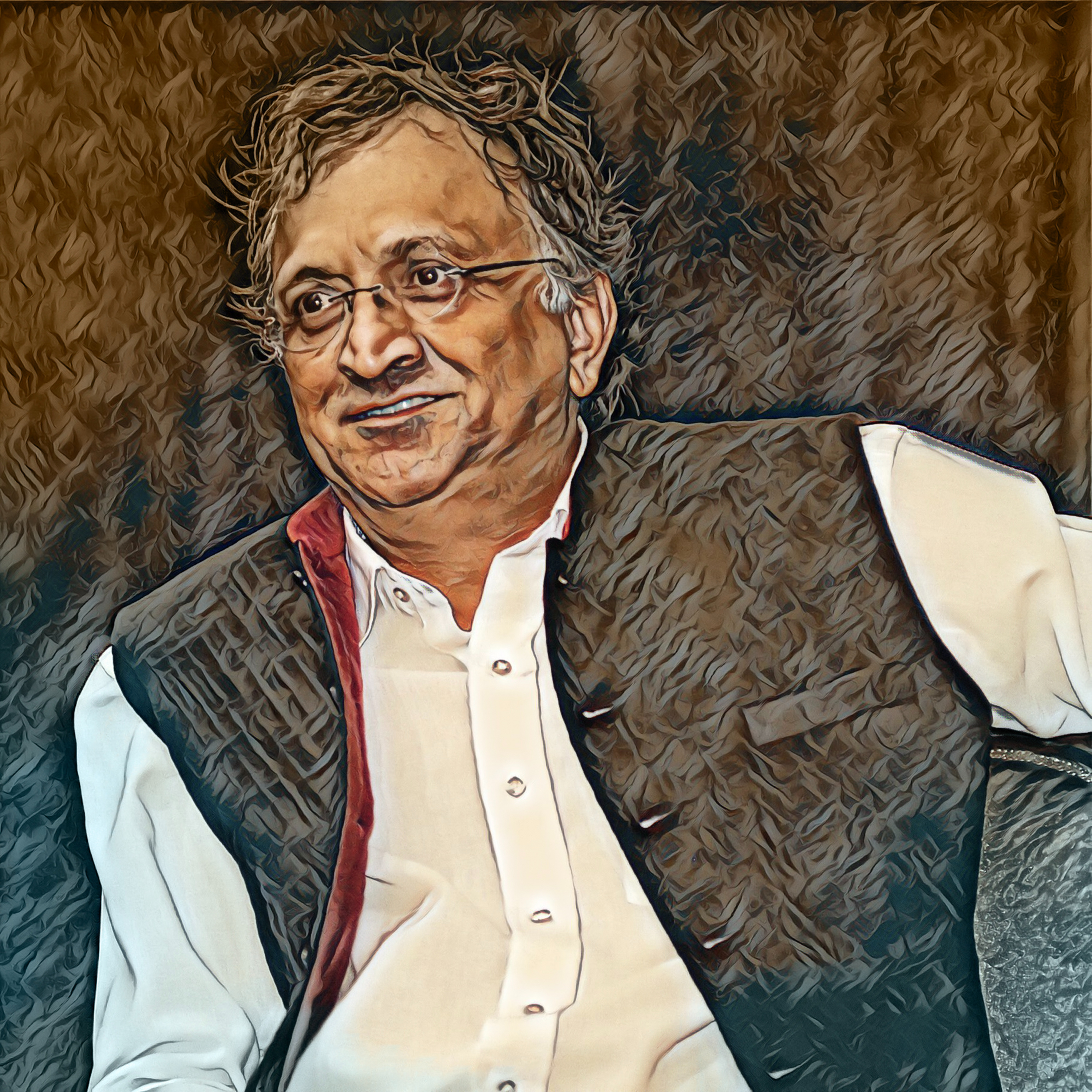
Ideas before their time
Eminent historian and author Ramchandra Guha talks about his latest book 'Speaking with Nature' about individuals who could be called India's first environmentalists, documenting noble failures, and whether environmentalists are destined to be ignored.
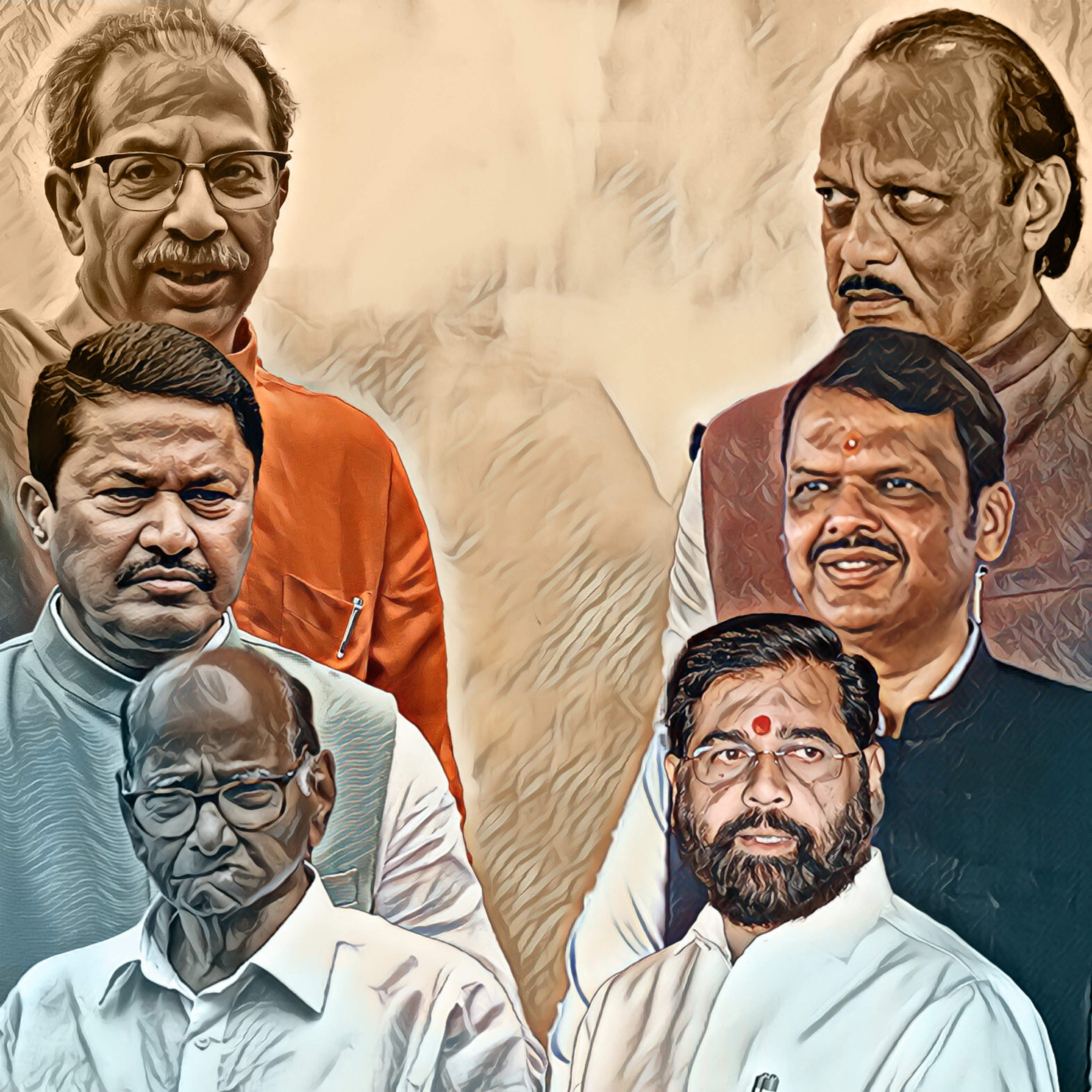
Why this Maharashtra election won't end political chaos in the state
First, Sanjay Kumar from Lokniti-CSDS talks with Alka Dhupkar about what a Lokniti-MIT SOG survey says about political parties' prospects in the upcoming election.
Then, co-director of Lokniti and eminent political scientist Suhas Palshikar explains why this election won't sort out the political chaos in the state. He also explains why this election will be a very high-stakes one for two leaders
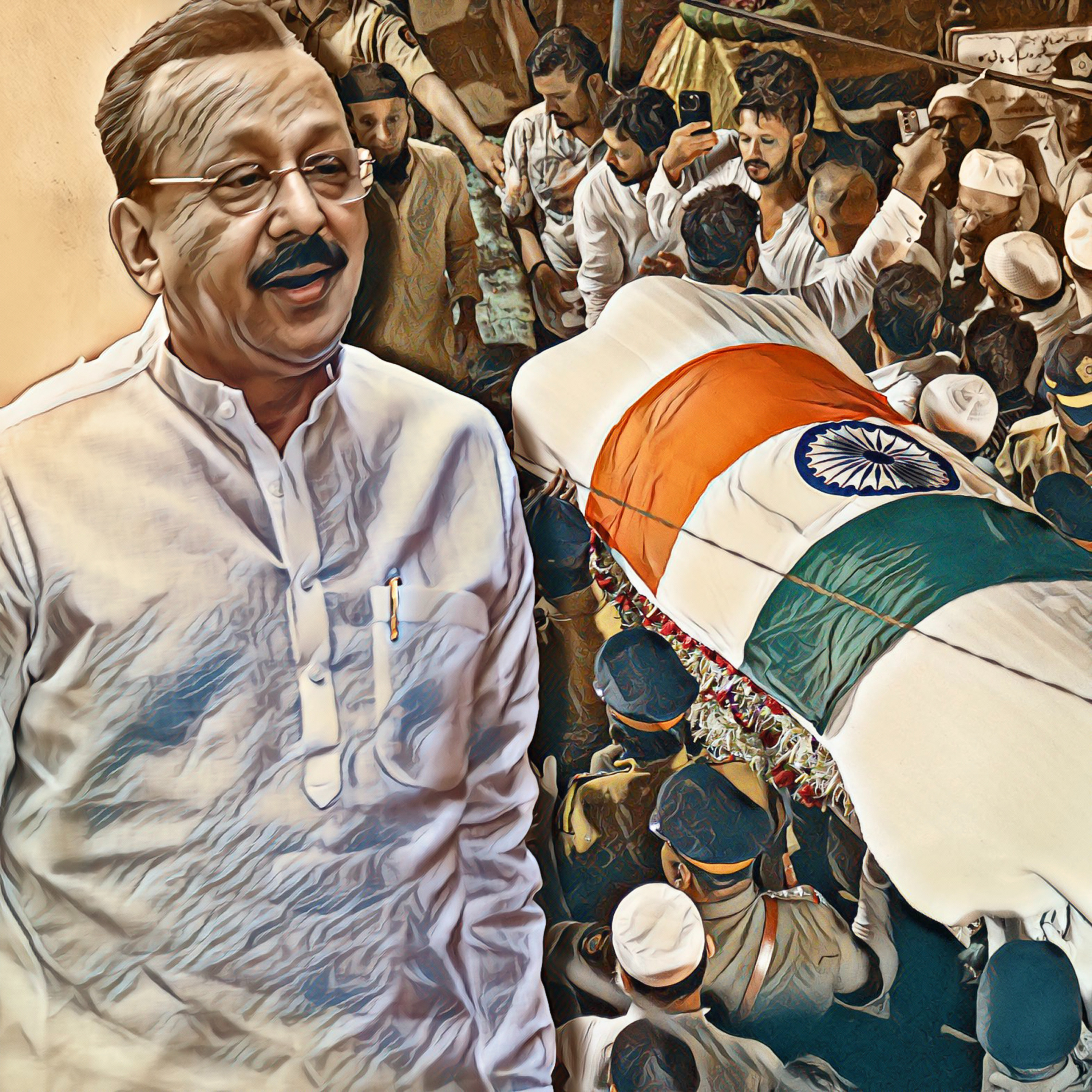
Killing in the streets
The killing of former Maharashtra minister Baba Siddique has raised questions about the revival of gang violence in Mumbai. Rashmi Rajput, who writes on crime and investigating agencies for The Economic Times, explains the impact of the killing and how it changes things in a city that had gotten used to not hearing about extortion calls.
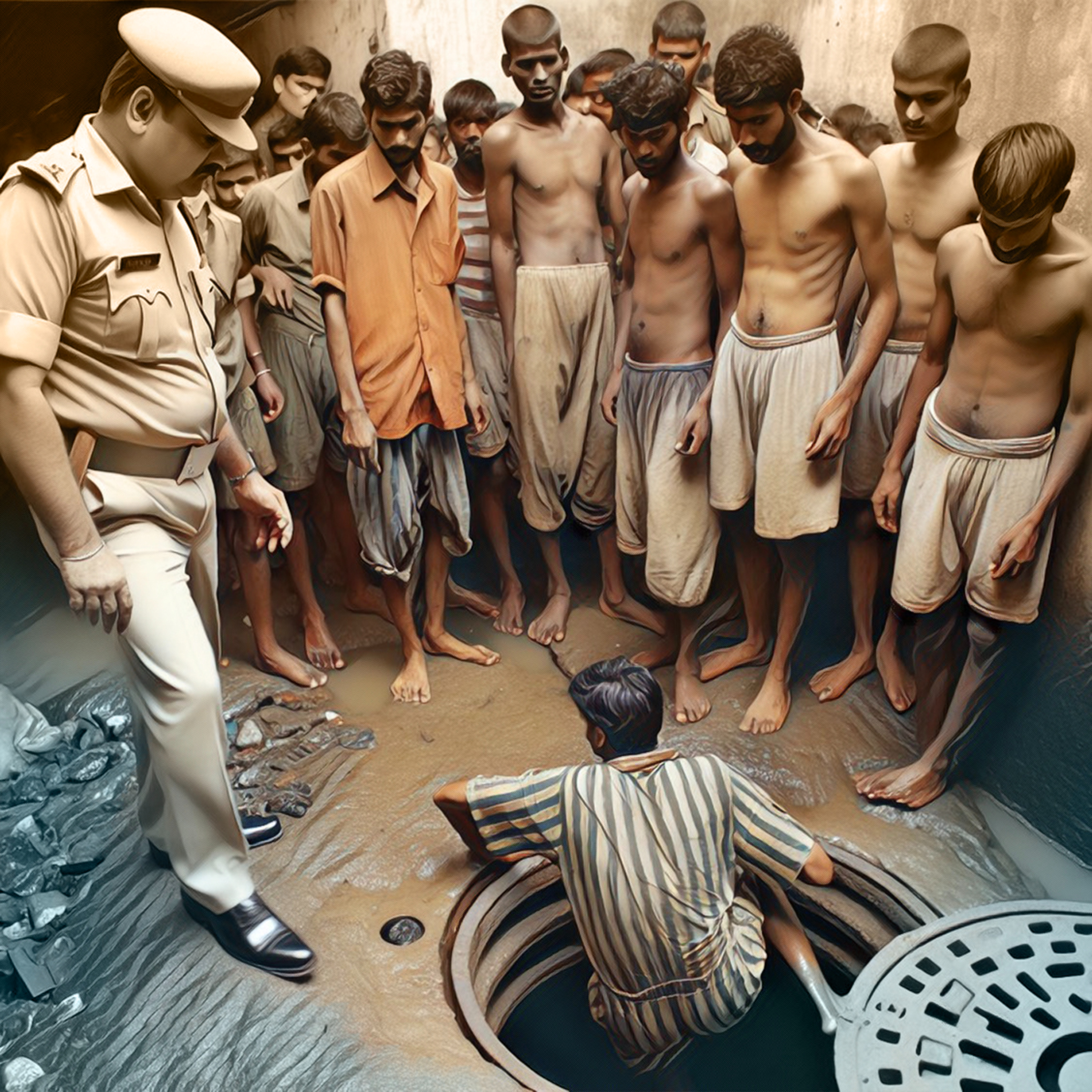
Caste behind bars
Journalist Sukanya Shantha was recently thanked by the Supreme Court for her reporting on caste-based labour practices and caste-based segregation in many of India's prisons. She speaks with Alka Dhupkar and Arun George about how caste determines what you do in jails, why these practices still exist and the challenge with ending them.

When the Prime Minister comes calling
Political scientist Suhas Palshikar explains the issues with the Prime Minister turning up at the Chief Justice's residence for Ganeshotsav. He also explains the problem with judges and government employees talking about links with the RSS and what it means for the RSS to be making statements that seem to target the PM.

Why this Jammu and Kashmir election is crucial
Shakir Mir, who writes on Jammu and Kashmir for TOI+ and other publications, talks about why this year's assembly elections are so important in the region despite full statehood unlikely to be restored any time soon. He explains why there's so much enthusiasm for this election and which parties are expected to make an impact.

An unconventional parent
Patruni Chidananda Sastry talks to Labanya Maitra about the challenges of being a drag queen and parent and dealing with the hate that comes with publicly acknowledging one's unconventional choices.
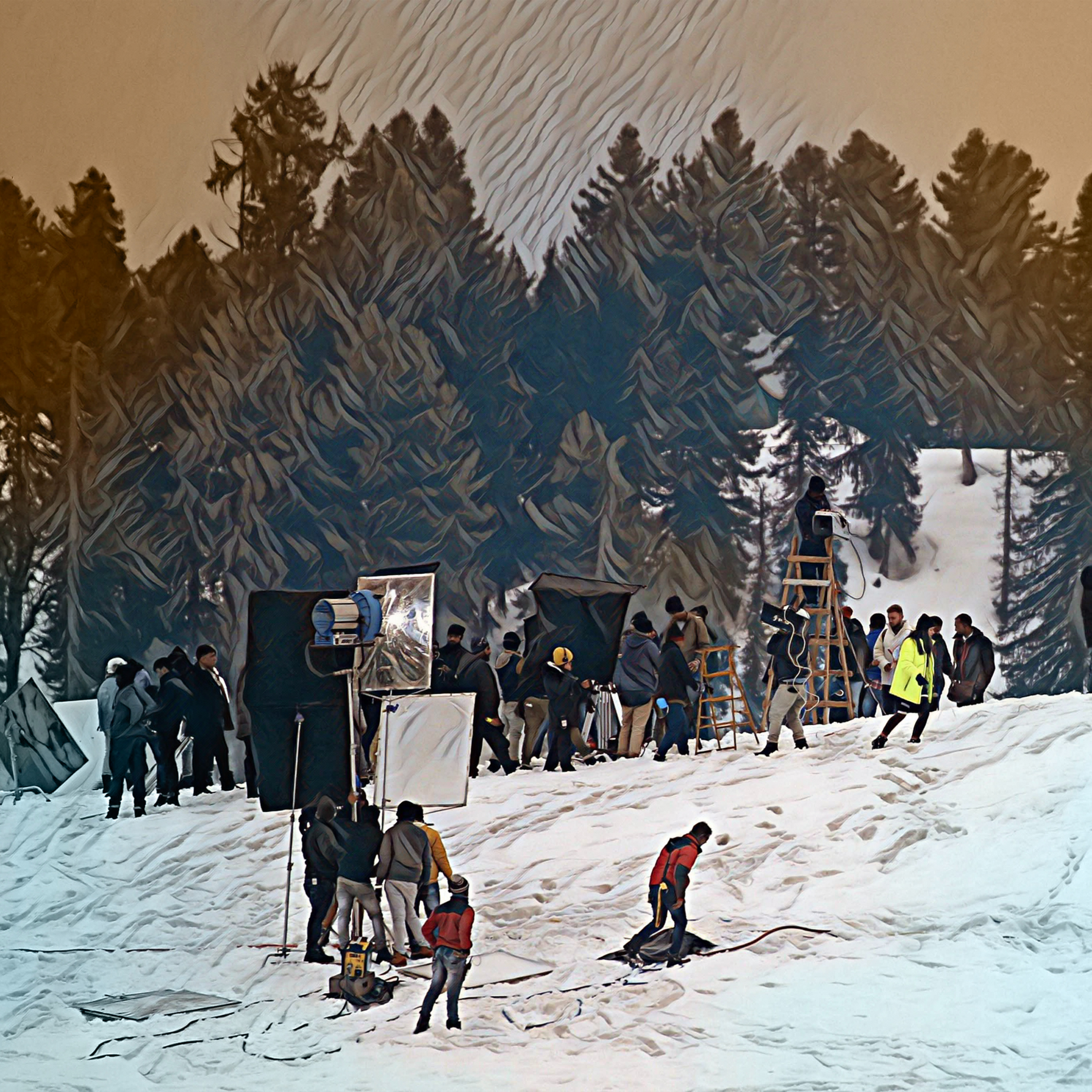
'Nobody listened when women said things'
Bina Paul - one of the founding members of the Women in Cinema Collective - talks about the fallout of the Justice Hema committee report on the Malayalam film industry. She explains why the report matters, why sexual harassment is rampant in the film industry and what needs to be done now to correct things.
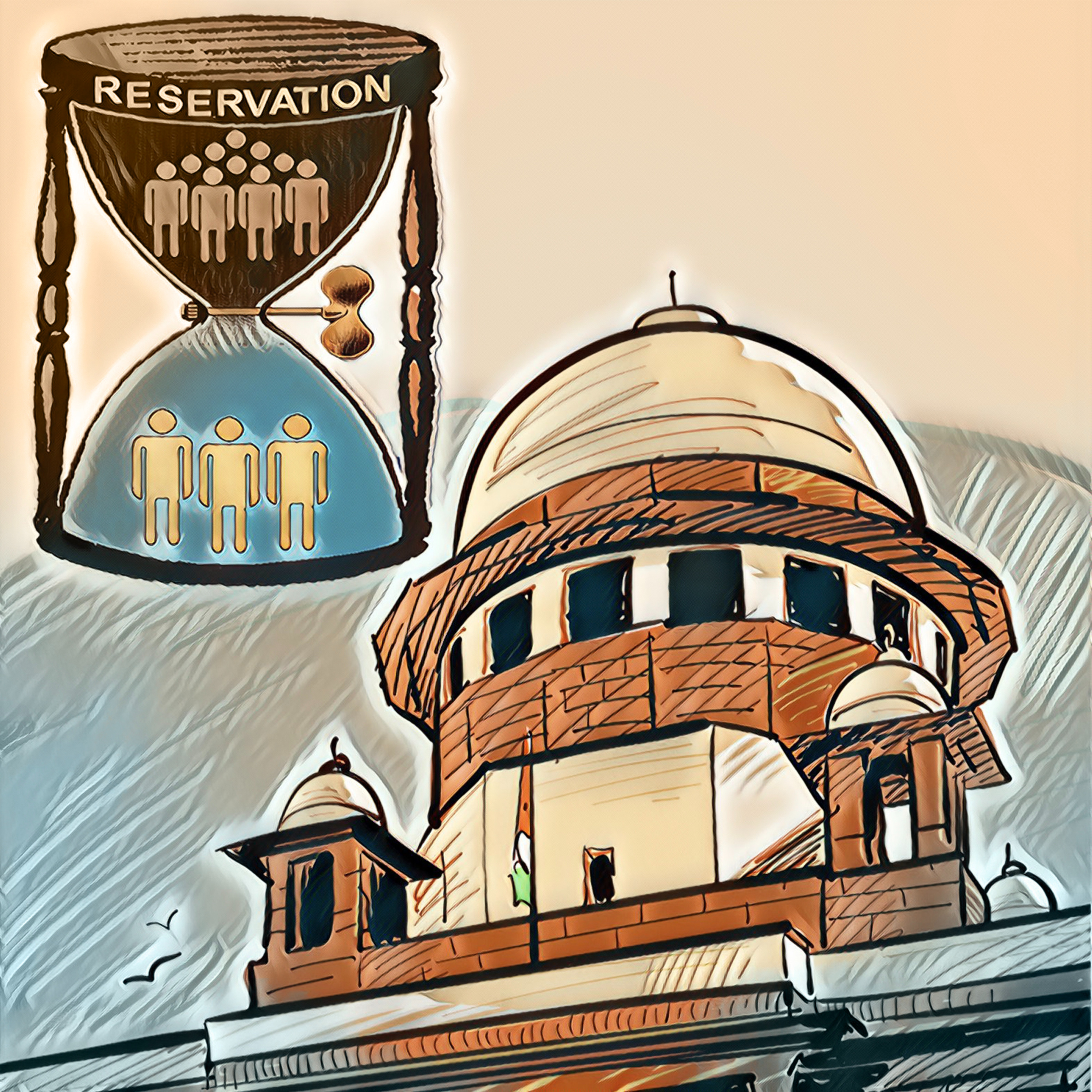
How the Supreme Court has shaped reservations in India
Supreme Court lawyer Disha Wadekar explains the apex court's latest verdict that deals with the contentious subject of sub-quotas within reservations for scheduled castes and scheduled tribes. She also decodes the Supreme Court's handling of reservations over the decades and what's worrying about multiple judgements regarding reservations.

A law to reduce reach?
Vijayendra Mohanty - better known as Vimoh online - talks about why influencers and content creators are seeking clarity over a proposed law that is reportedly set to limit who can say what on platforms like YouTube and social media.
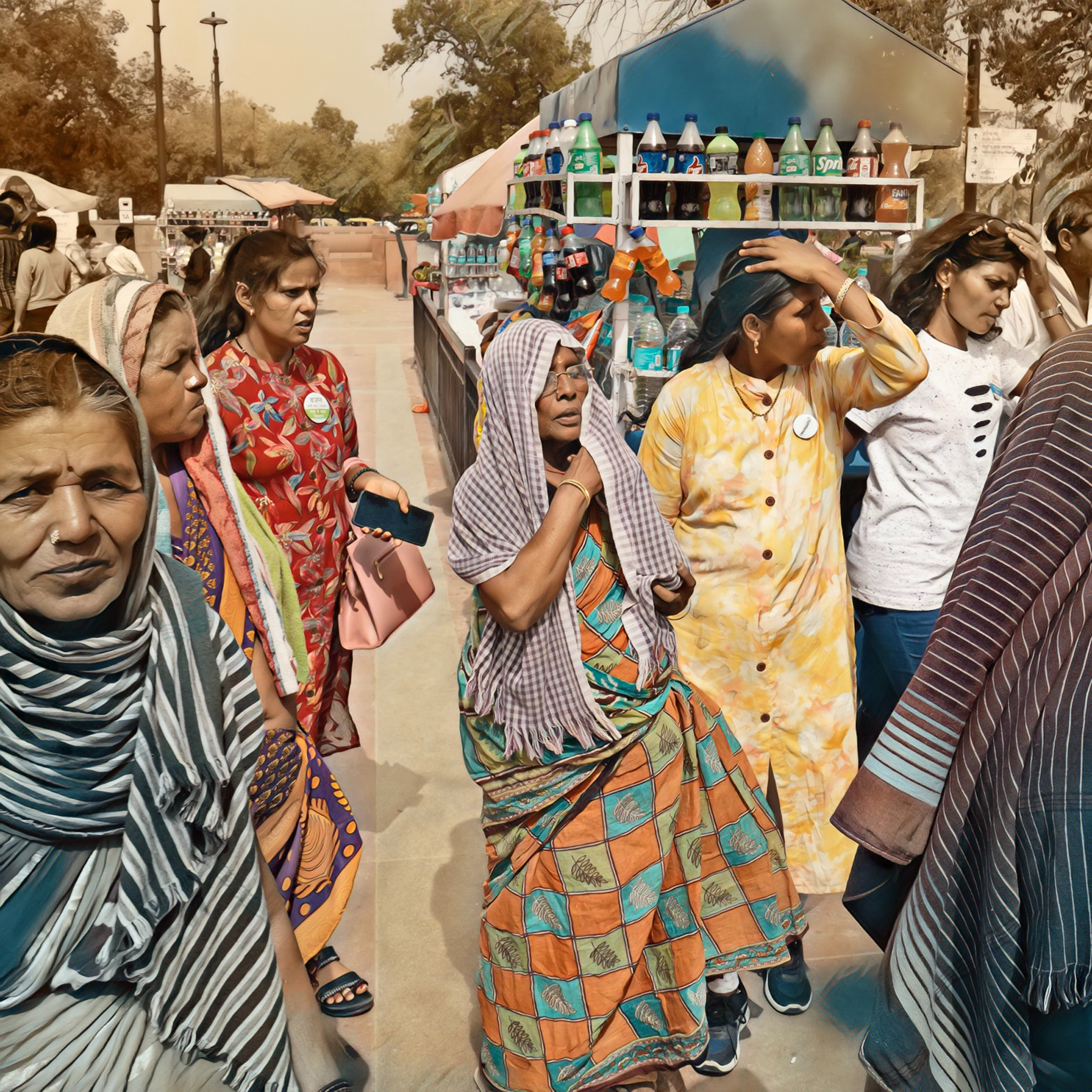
Horror heatwaves are coming, how to prepare for it?
At least 100 people have died due to heatwaves in the country this year. Aditya Pillai, who researches extreme heat-related policies at Sustainable Futures Collaborative, explains why we need to prepare for worse heatwaves in the coming years, the challenges of making plans to deal with heat and what might be the best options before us.

Get my name out of the textbook
Political scientist and chief editor of Studies in Indian Politics, Suhas Palshikar, had explained his and Yogendra Yadav's campaign to have their names removed from re-edited NCERT textbooks. He also explains his concerns with how the textbooks were edited and why parents should also read their kids' textbooks.
How to deal with sugar in 'health foods'
Dr Arun Gupta from Nutrition Advocacy in Public Interest explains how we need to regulate our packaged food better so that we're not just eating sugar .

Terror spikes in Jammu
At least nine people were killed when terrorists attacked a bus filled with pilgrims in Jammu's Raesi district. Shakir Mir - who writes on Jammu and Kashmir - explains the spike in terror attacks in Jammu and what security officials are saying about what they might indicate.
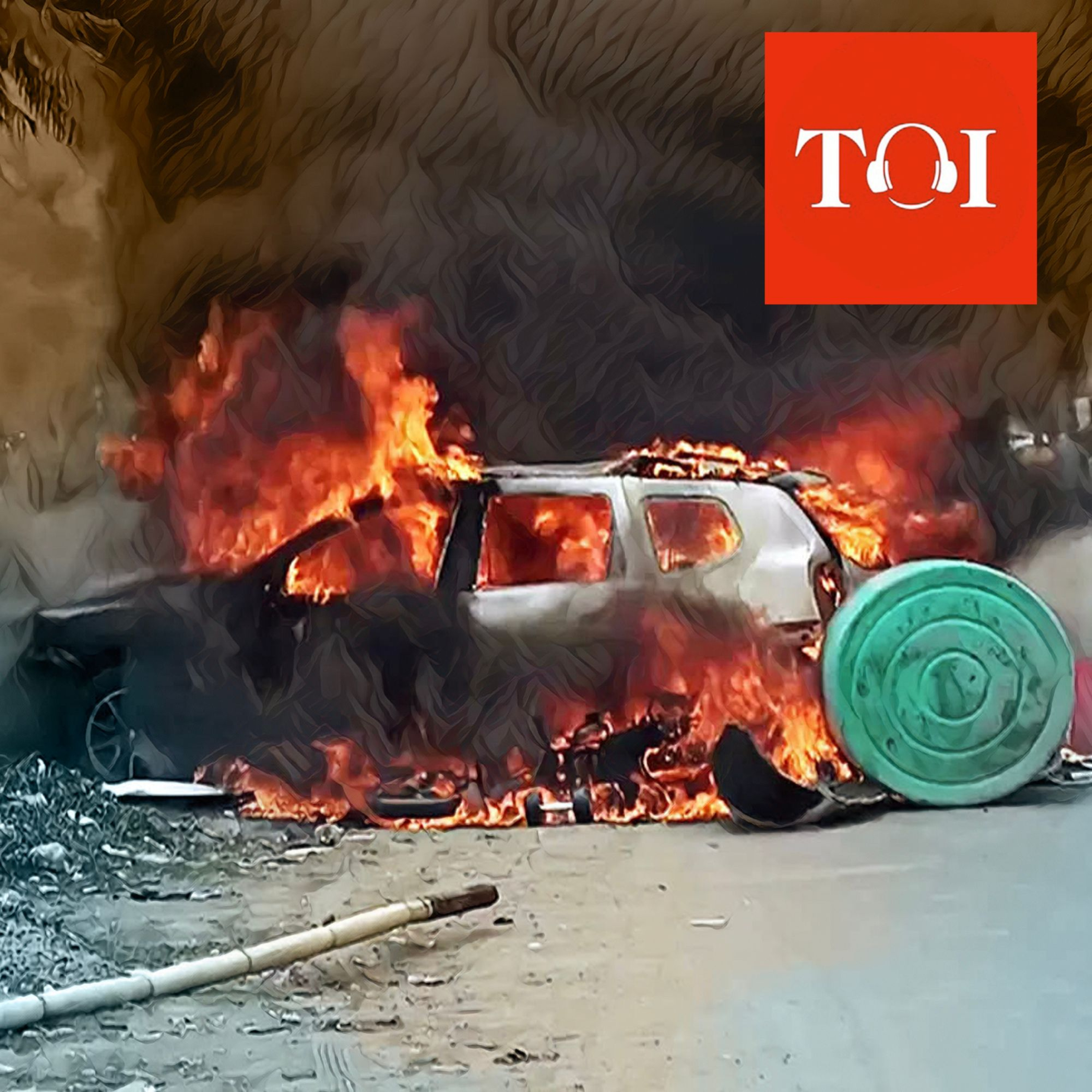
Why Manipur remains on the boil
Patricia Mukhim, Editor of The Shillong Times, explains why it will be an uphill task to achieve peace in Manipur, a year after clashes broke out in the state.

What to expect from Modi sarkar 3.0
Political scientist Suhas Palshikar talks about the role the allies could play in the functioning of the new government, how Narendra Modi could deal with unfamiliar coalition politics and the impact on upcoming state polls.

Why BJP lost its strongholds and what it means for INDIA
Senior Fellow at Centre for Policy Research and political scientist Neelanjan Sircar explains why BJP lost what it thought were its strongholds and whether the INDIA coalition had a chance at forming the government.

Making sense of a surprise verdict
TOI Plus political columnist and author Sugata Srinivasaraju decodes the 2024 poll verdict, Rahul Gandhi's success and the BJP's limited success in southern states despite a concerted push.
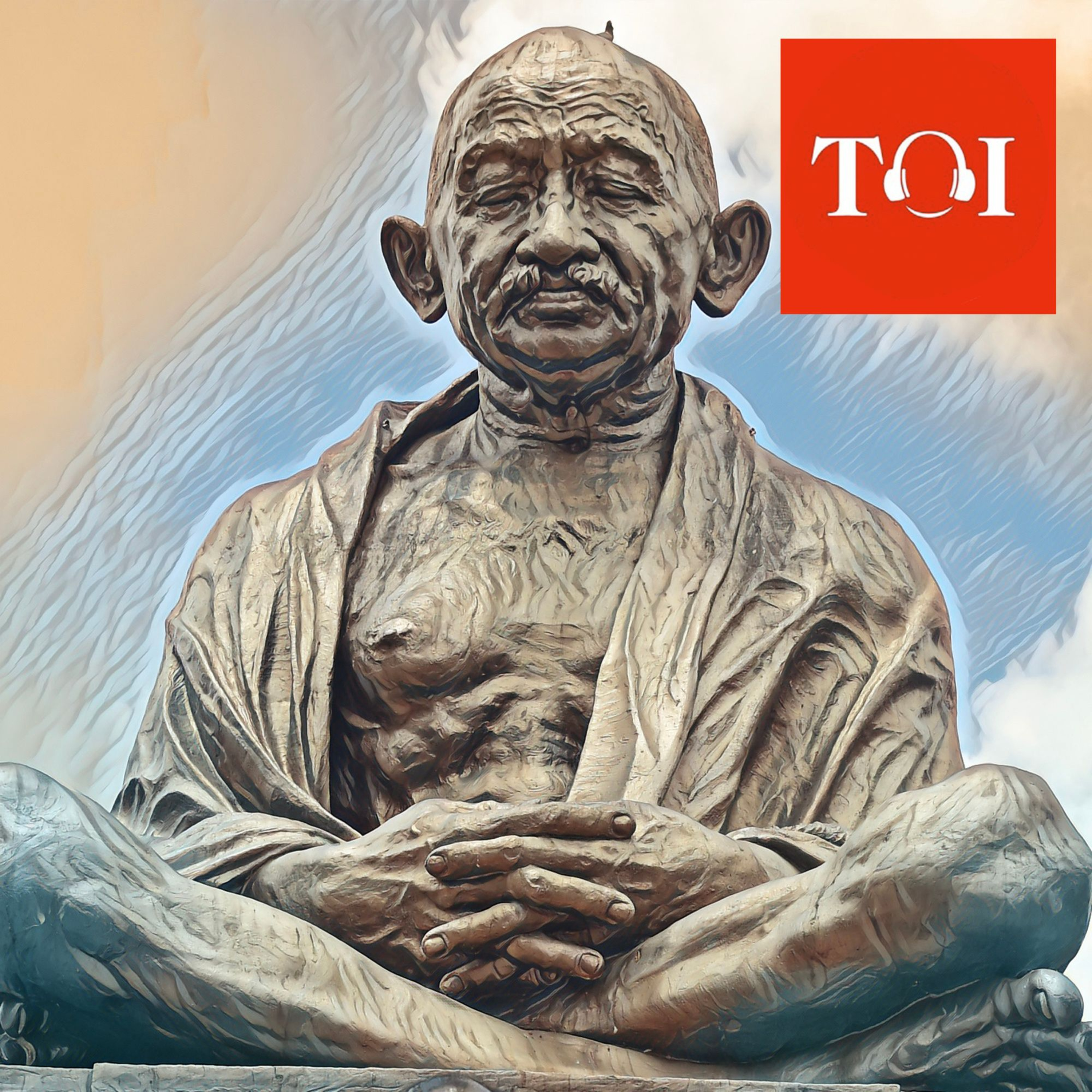
The Mahatma beyond India's borders
Great-grandson of MK Gandhi, Tushar Gandhi talks to TOI's Alka Dhupkar about the influence of the Mahatma beyond India's borders and his enduring appeal.
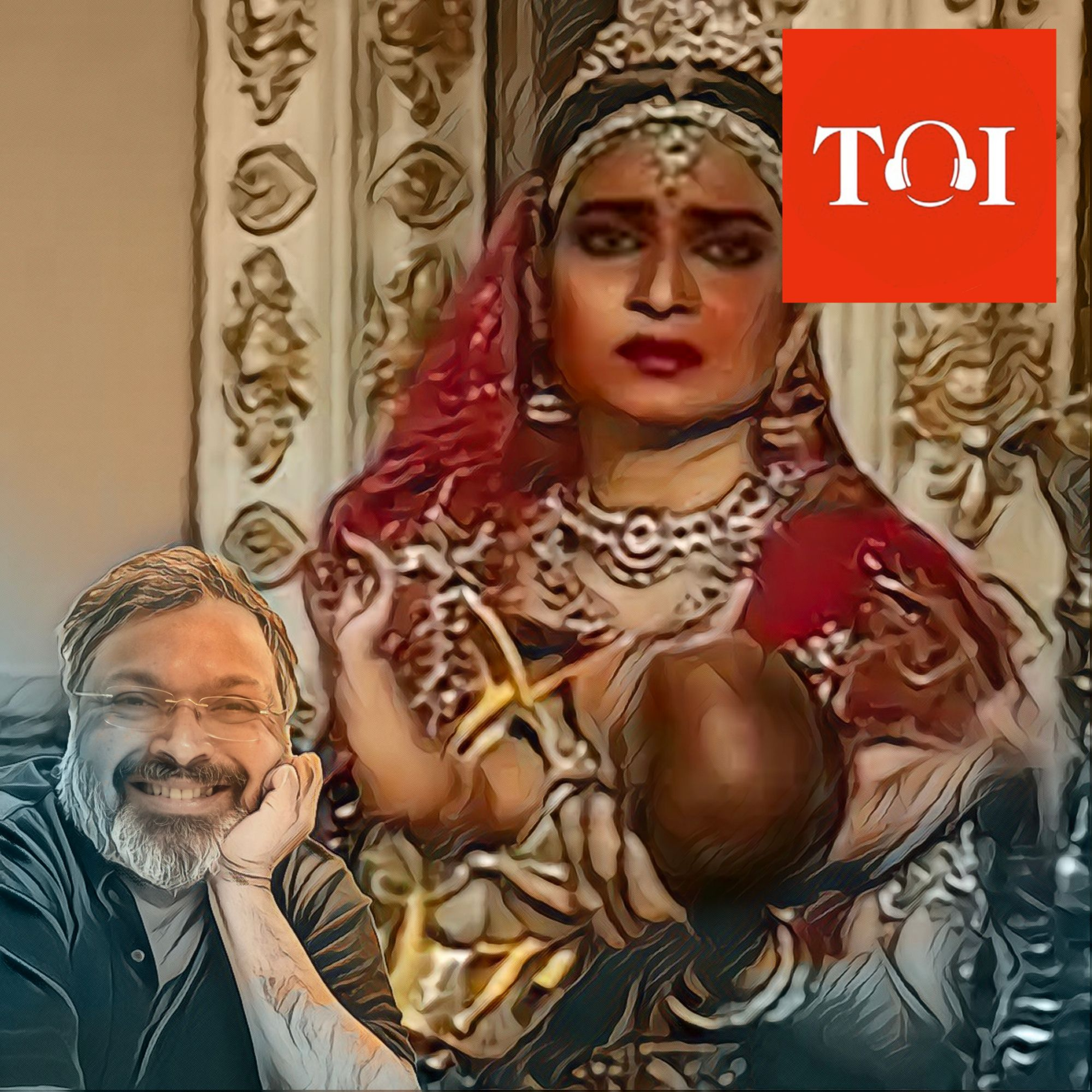
Ask Devdutt Pattanaik: Why does the idea of 'non-biologically born' matter across mythologies?
Author and mythologist Devdutt Pattanaik talks about the idea of a non-biological birth across faiths, why the idea exists and how it has been used to shape history.
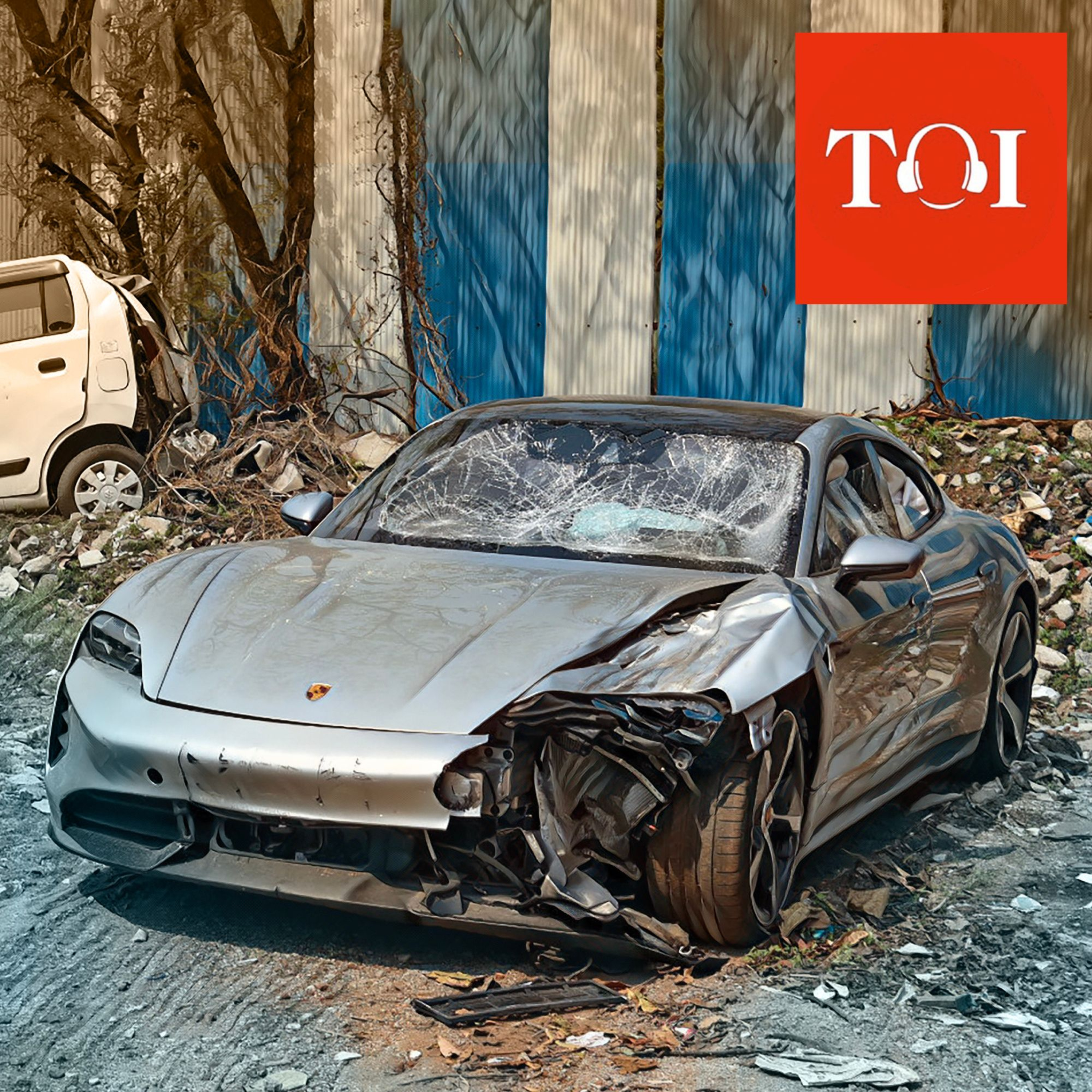
Juveniles in justice system
Two cases - one in Pune and the other in Uttarakhand - bring to the spotlight juveniles and the criminal justice system again. Sidharth Pillai, co-founder of the Rati Foundation, talks to TOI's Ambika Pandit about the challenges of tackling online sexual abuse that involves teenagers. Then Monica Kumar from the Manas Foundation talks about why the reformation of underage accused shouldn't

The decline of the courtesans
At a time the serial Heeramandi is making waves, Manish Gaekwad - who wrote the 'The Last Courtesan' - talks about chronicling his mother's life, the death of kothas in Mumbai and how his mother adapted to life after leaving the kotha.

What we continue to get wrong about the Muslim voter
Political scientist and author Hilal Ahmed from CSDS explains what we get wrong about the Muslim voter and what's wrong with the many preconceived notions that are there about Muslims and politics.
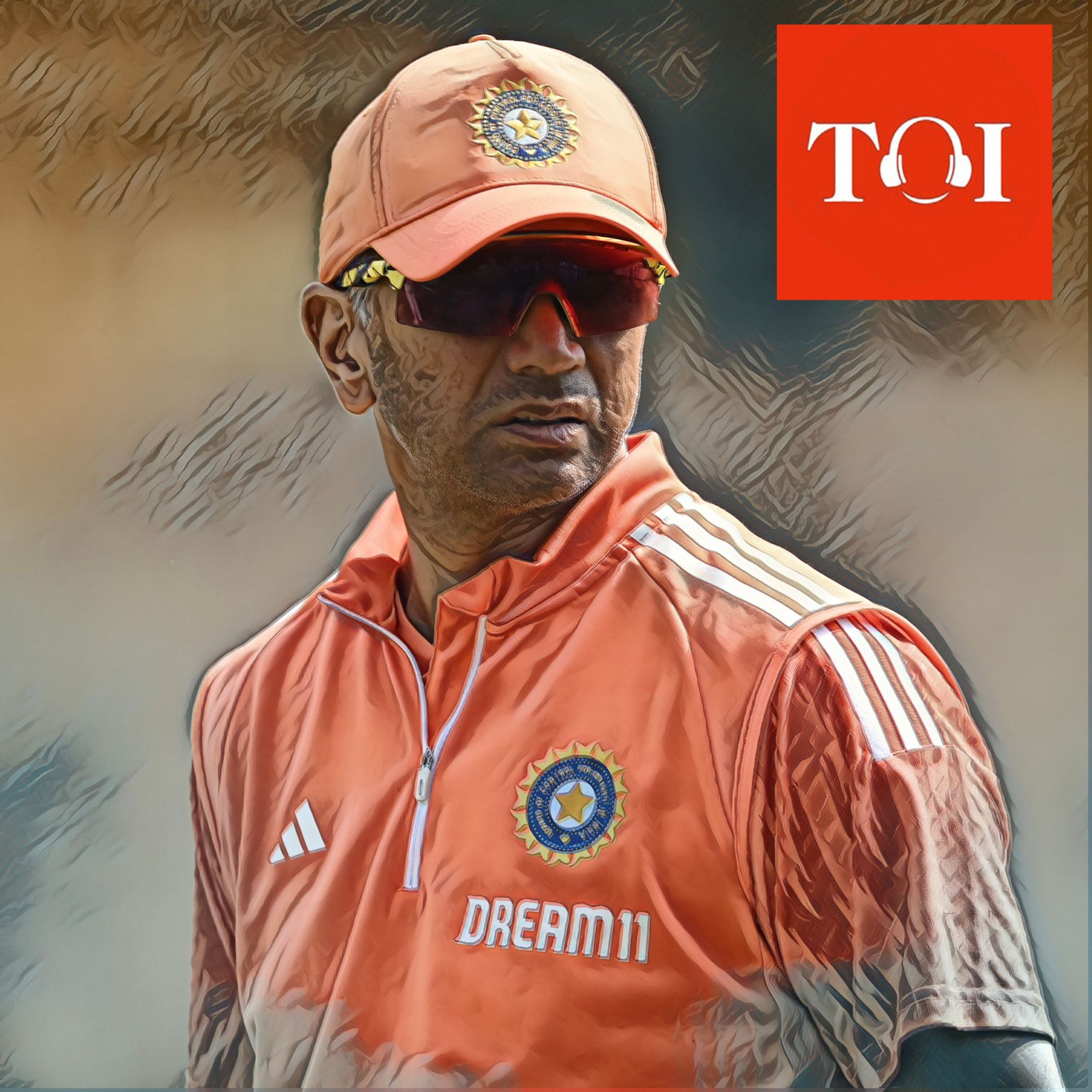
Dravid's out, but who's in next?
The Indian cricket board is seeking a new coach for the men's cricket team as Rahul Dravid's tenure winds down. Columnist and author Anand Vasu talks about Dravid's tenure, explains who are the frontrunners to replace him, what sort of candidate the board is seeking and the benefits (and pitfalls) of being Team India's coach.

What explains the 'high' voter turnout in Kashmir?
Shakir Mir, who writes for TOI Plus on Kashmir, explains the high turnout in the first phase of polling in Kashmir reveals about politics in the region.
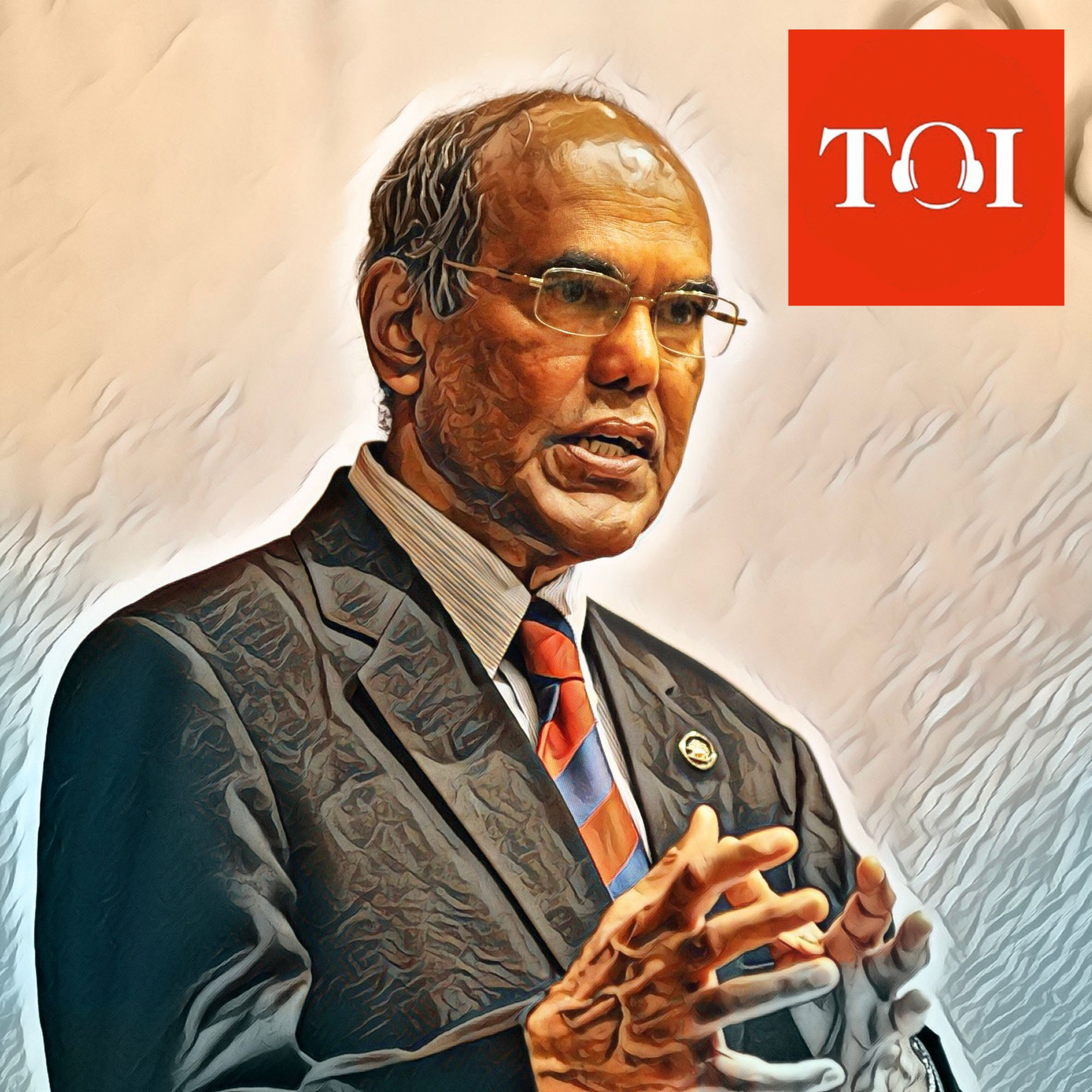
Lessons from a career of handling crises
Former RBI governor and IAS officer Duvvuri Subbarao talks his new book, what the civil services need, centre-state clashes over finances and what worries him about India's economy

'I don't know why you make such a big thing of it'
Former diplomat and minister Mani Shankar Aiyar spoke with Harinder Baweja about why he has always favoured people-to-people ties with Pakistan. He also talks about controversies sparked by statements made by him, and Rajiv Gandhi, and why he thinks they're overblown.
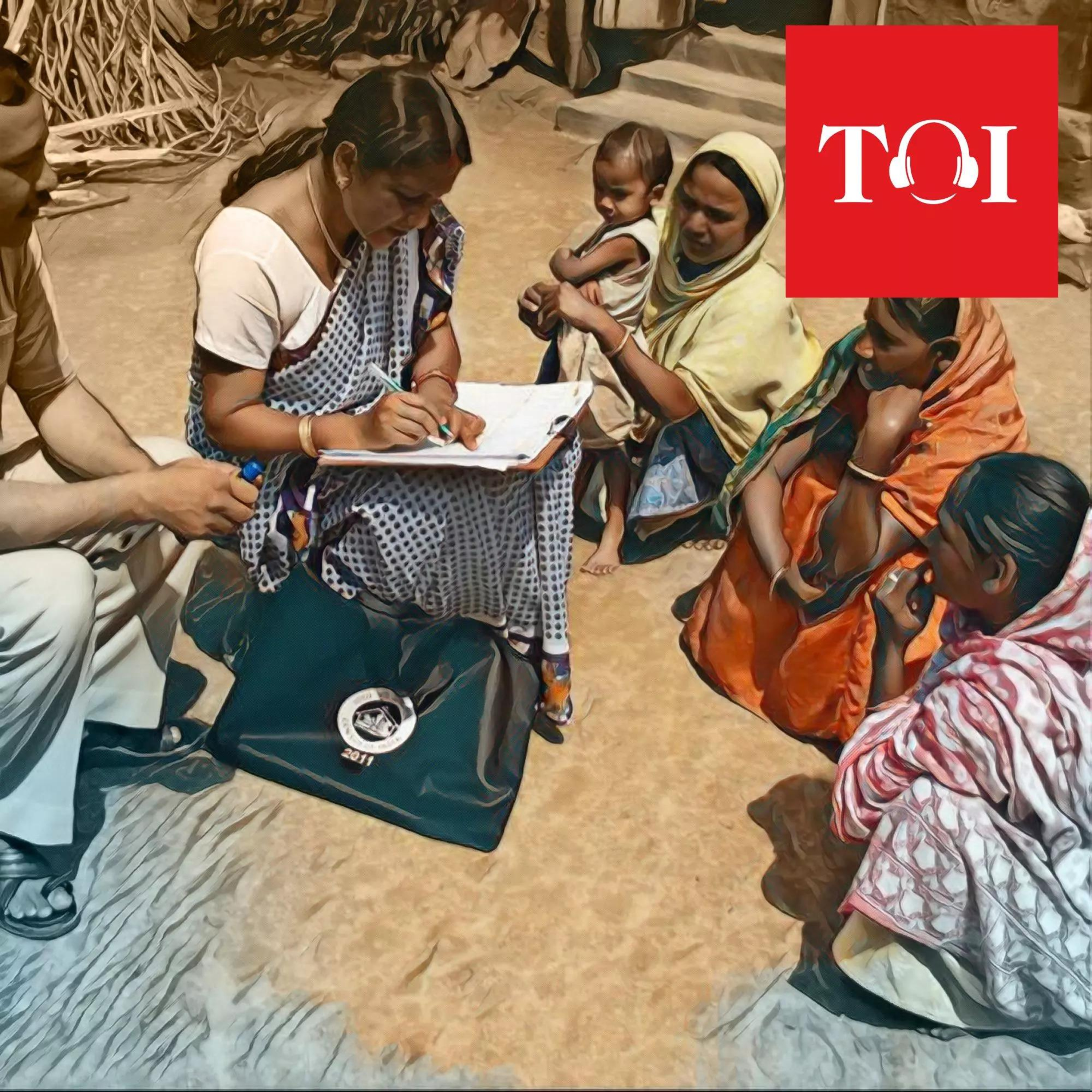
Postponed for decades, how India can redraw its electoral map
It's been half a century since delimitation or the reorganisation of Parliamentary constituencies took place in India. Former IAS officer and founder of the Lok Satta movement, JP Narayan, spoke with TOI's Alka Dhupkar about the need to reorganise India's electoral map and what needs to be done to ensure no region feels shortchanged.

'In another time you would've had President's rule in Manipur'
Editor of The Shillong Times Patricia Mukhim explains why it will be an uphill task to achieve peace in Manipur, a year after clashes broke out in the state.

Fire in the hills
The Times of India's Shivani Azad explains the worrying spread of forest fires in Uttarakhand this year and what experts say are the bigger lessons to be learned from such calamities.

The 'stars' who make Hindutva pop
Journalist and author of 'H-Pop: The Secretive World of Hindutva Pop Stars' Kunal Purohit explained the emergence and rise of a popular subculture, and its political implications.

Decoding the implications of a low-energy election
Neelanjan Sircar, senior fellow at Centre for Policy Research, explains why turnouts may be low this election and why the political parties' campaigns feel more low-energy. He also explains the implications of this for the results of this election.

Why it's so hard to tackle online disinformation in India
Two actors have already filed cases over fake videos of them endorsing a party during the ongoing elections. Karen Rebelo, deputy editor at fact-checking organisation Boom Live, had decoded how misinformation has evolved over the years in India and why artificial intelligence tools will make it so much harder to detect misinformation.

Too sweet for your health
It turns out packaged baby food and 'health' drinks may have the same problem. Dr Arun Gupta from Nutrition Advocacy in Public Interest explains how we can regulate our packaged food better so that we're not just eating sugar

After tit for tat attacks, will Iran-Israel peace last?
Retired diplomat and expert on the Middle East, Talmiz Ahmad decodes the attacks by Iran and Israel and how to read into the pause of hostilities that the two countries seem to have settled for.
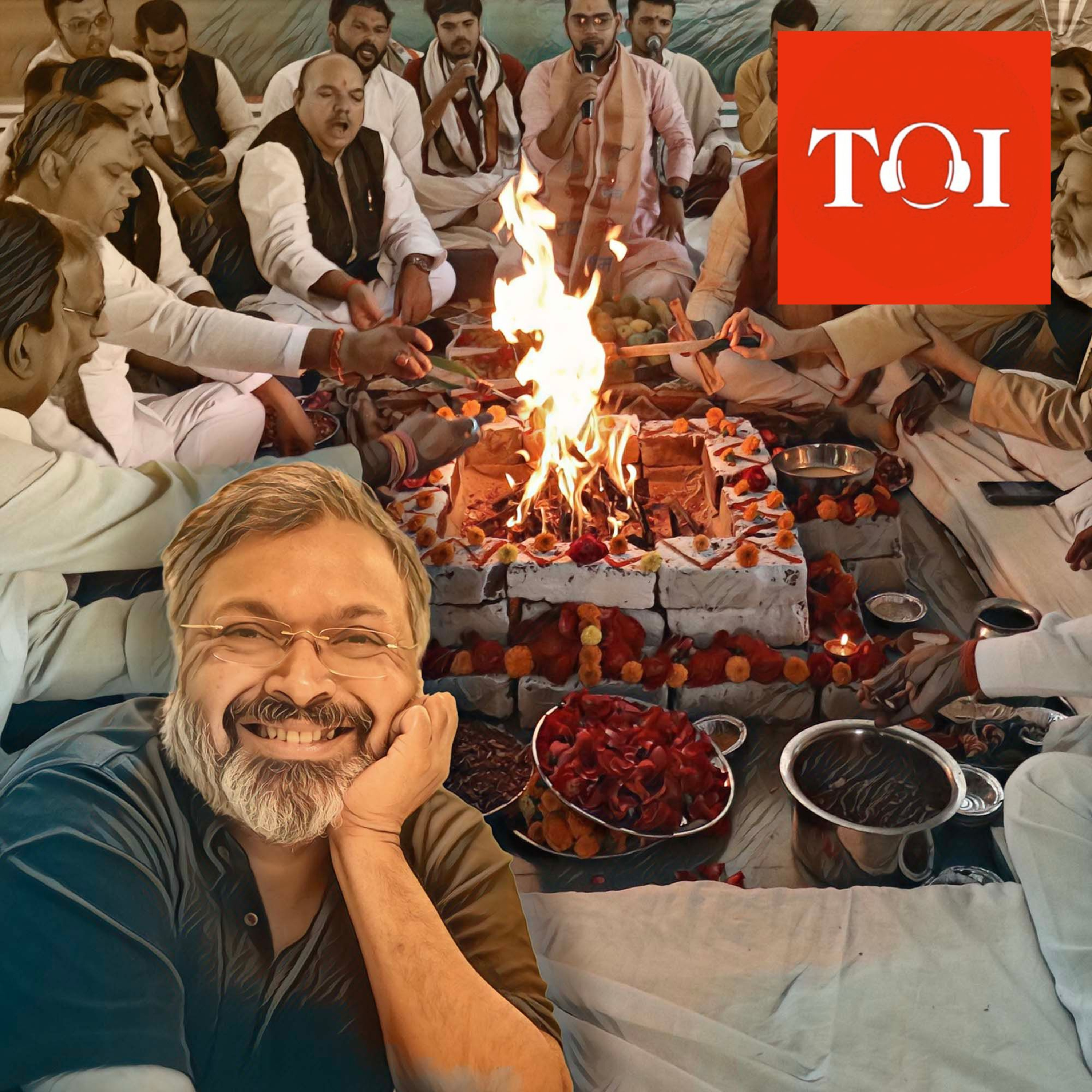
Ask Devdutt Pattanaik: Are faiths and rituals based in science?
Author and mythologist Devdutt Pattanaik explains why the attempts to make faith and rituals scientific are unnecessary and why being scientific shouldn't mean a discarding of faith.

Are we headed towards a chocolate apocalypse?
Vikram Doctor, one of India's best chroniclers of the food industry, explains why we may pay more for chocolate-based treats this year and whether we are going to face a chocolate apocalypse.

How much do India's new criminal laws really reform?
Zeba Sikora from Project 39A at the National Law University in Delhi explains the concerns with the three new criminal law bills that are expected to be implemented later this year and how much they really reform the criminal justice system
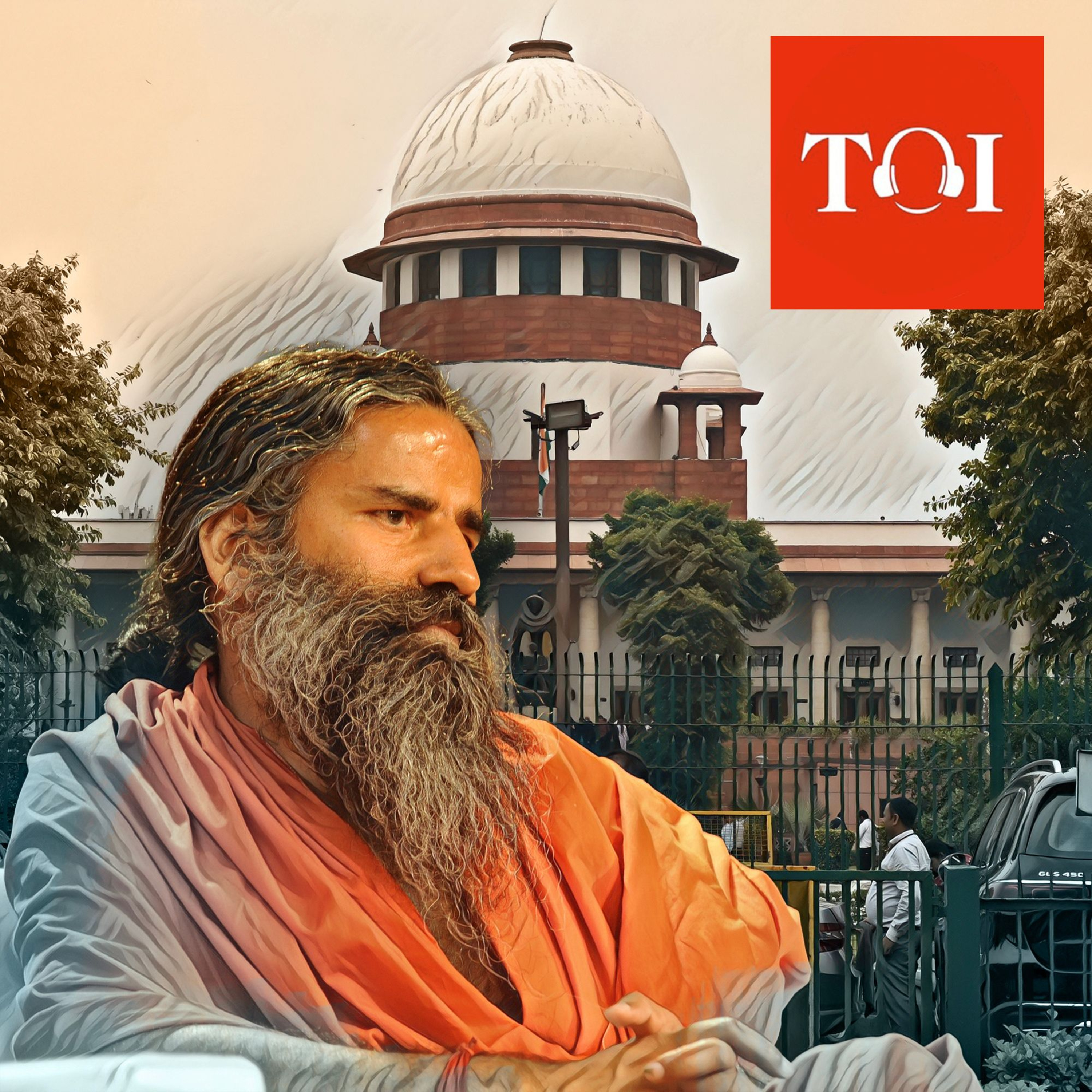
The case that forced Ramdev to apologise
Dr Jayesh Lele, honorary secretary general of the Indian Medical Association, talks about why a petition was filed against Ramdev and Patanjali and what action the case should have prompted.
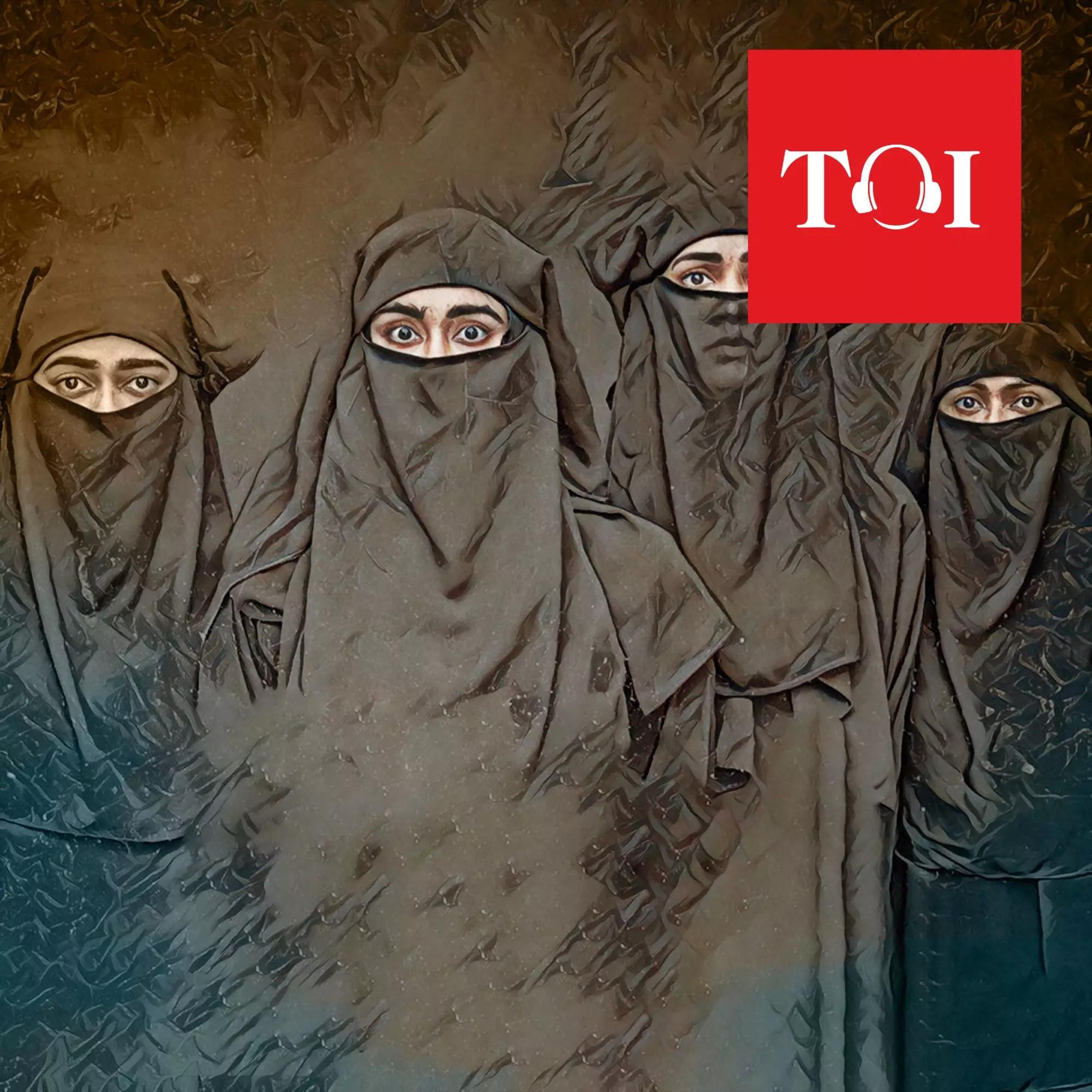
What 'Kerala Story' gets wrong about Islamic State and India
The screening of 'Kerala Story' has prompted a political furore ahead of elections. Kabir Taneja, who's an author and Fellow at Observer Research Foundation, had explained why Islamic State failed to gain ground in India

What happens when India starts targeting enemies abroad
Defence minister Rajnath Singh has said India will target its enemies on foreign soil if needed.
Professor Rory Cormac from the University of Nottingham, who specialises in the study of covert action, and Ajai Sahni, who is Executive Director of the Institute of Conflict Management, explain the fallout of operations that take place outside India.
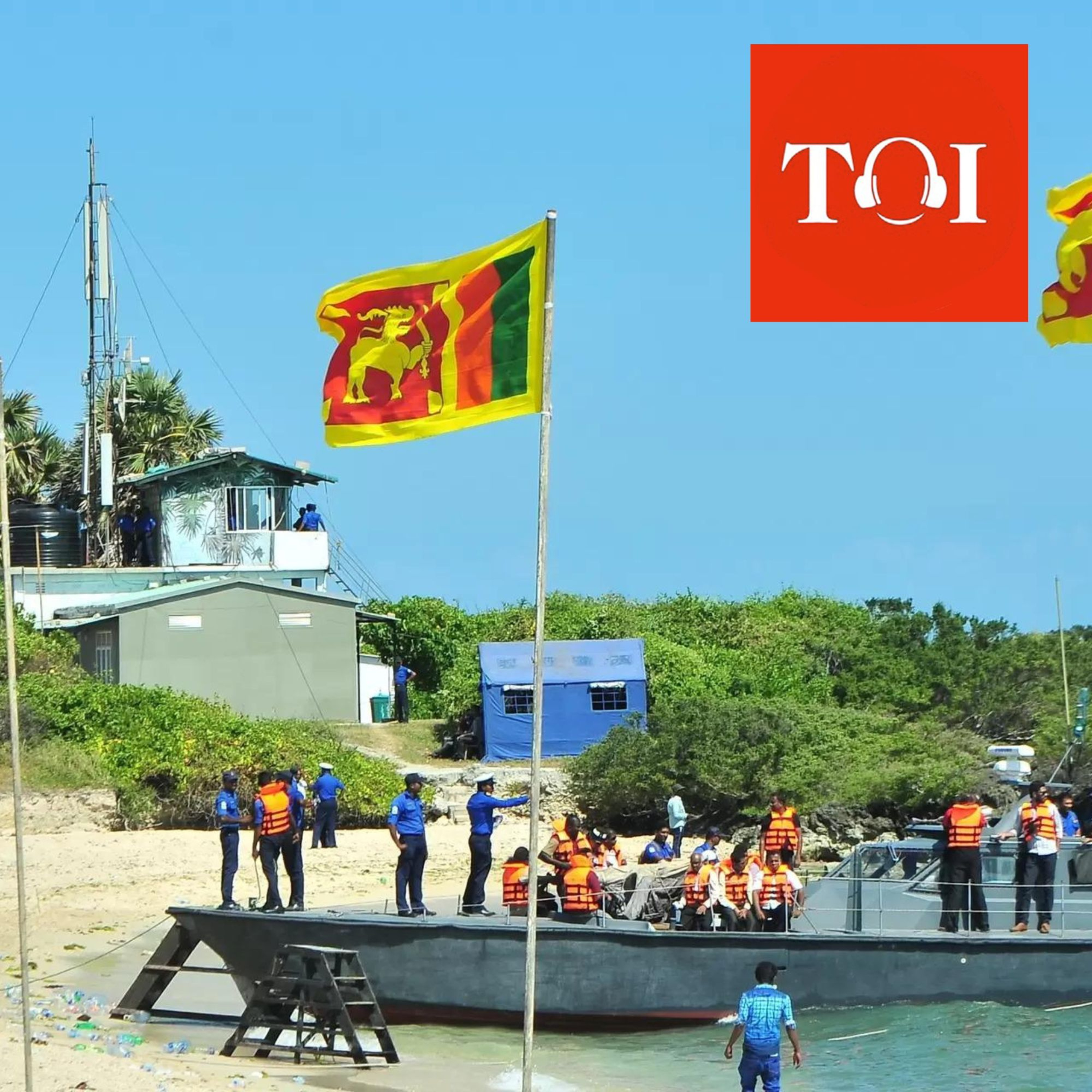
An island abandoned?
Policy analyst and commentator N Sathiya Moorthy explains why the agreement on Katchatheevu island was arrived at between India and Sri Lanka and why the campaign over the island isn't a great political or diplomatic strategy.
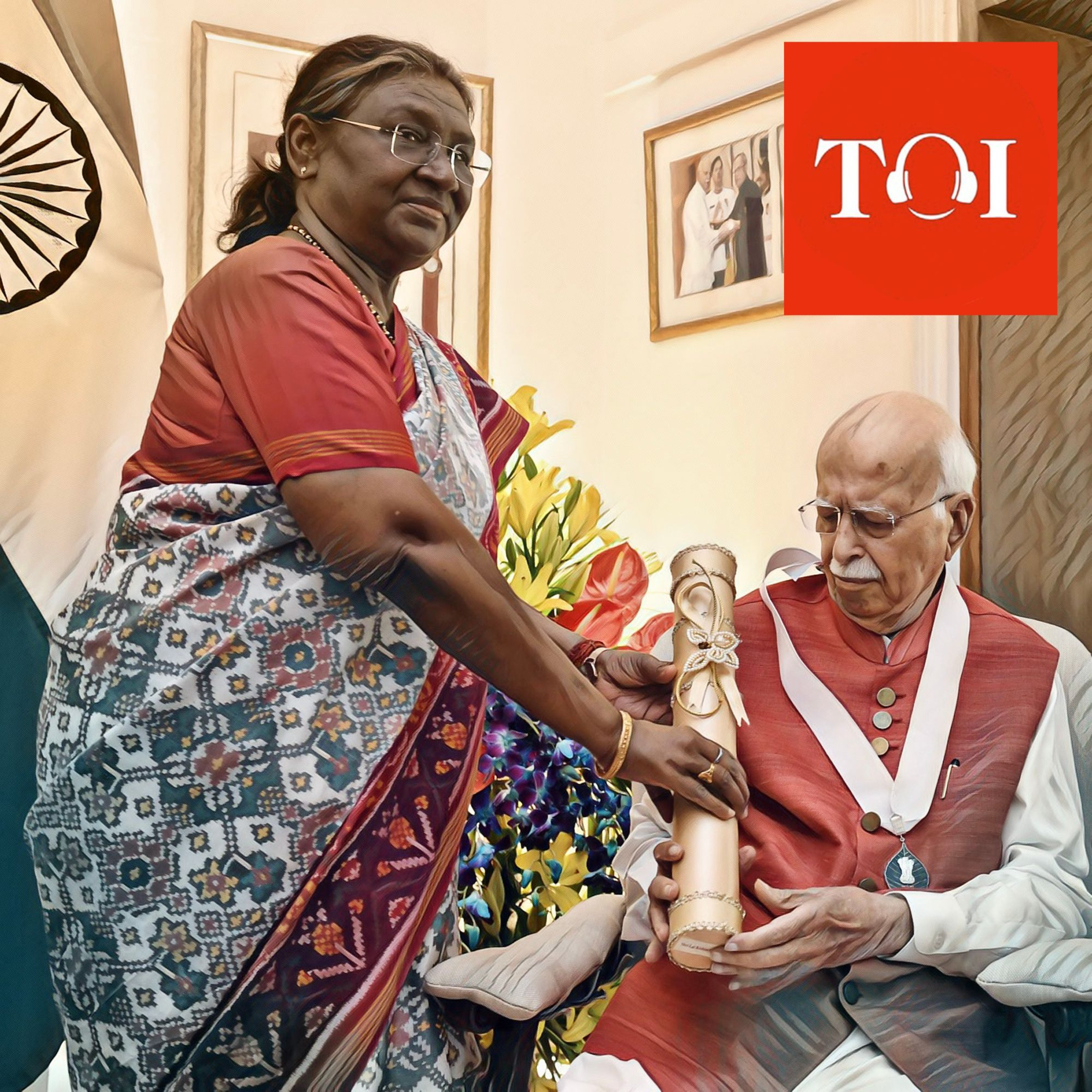
Lessons on democracy from a Bharat Ratna
Author and journalist Sudheendra Kulkarni, who worked closely with LK Advani, talks about the lessons the former deputy prime minister's career offers for Indian democracy today.

Bringing an encounter specialist to justice
Advocate Ramprasad Gupta, whose 18-year-long legal battle over his brother's killing resulted in the conviction of Mumbai 'encounter specialist' Pradeep Sharma, talks to TOI's Sunil Baghel about the challenges he faced.

The world behind bars
Trade unionist and human rights lawyer Sudha Bharadwaj, who was arrested in the Elgar Parishad case in Maharashtra, talks to TOI Plus's Alka Dhupkar about her new book (that just won an award), life in jail and why she's still an optimist.

The worrying aspects of Arvind Kejriwal's arrest
Eminent political scientist Suhas Palshikar explains what worries him about Arvind Kejriwal's arrest, what the opposition hasn't done right and what it could mean beyond the national elections.

Cape Town's lessons for Bengaluru
Dr Zahid Badroodien who works in the city administration of Cape Town talks about how they dealt with the worry of 'Day Zero' and dry taps, and the lessons other water-stressed cities like Bengaluru can take from them.
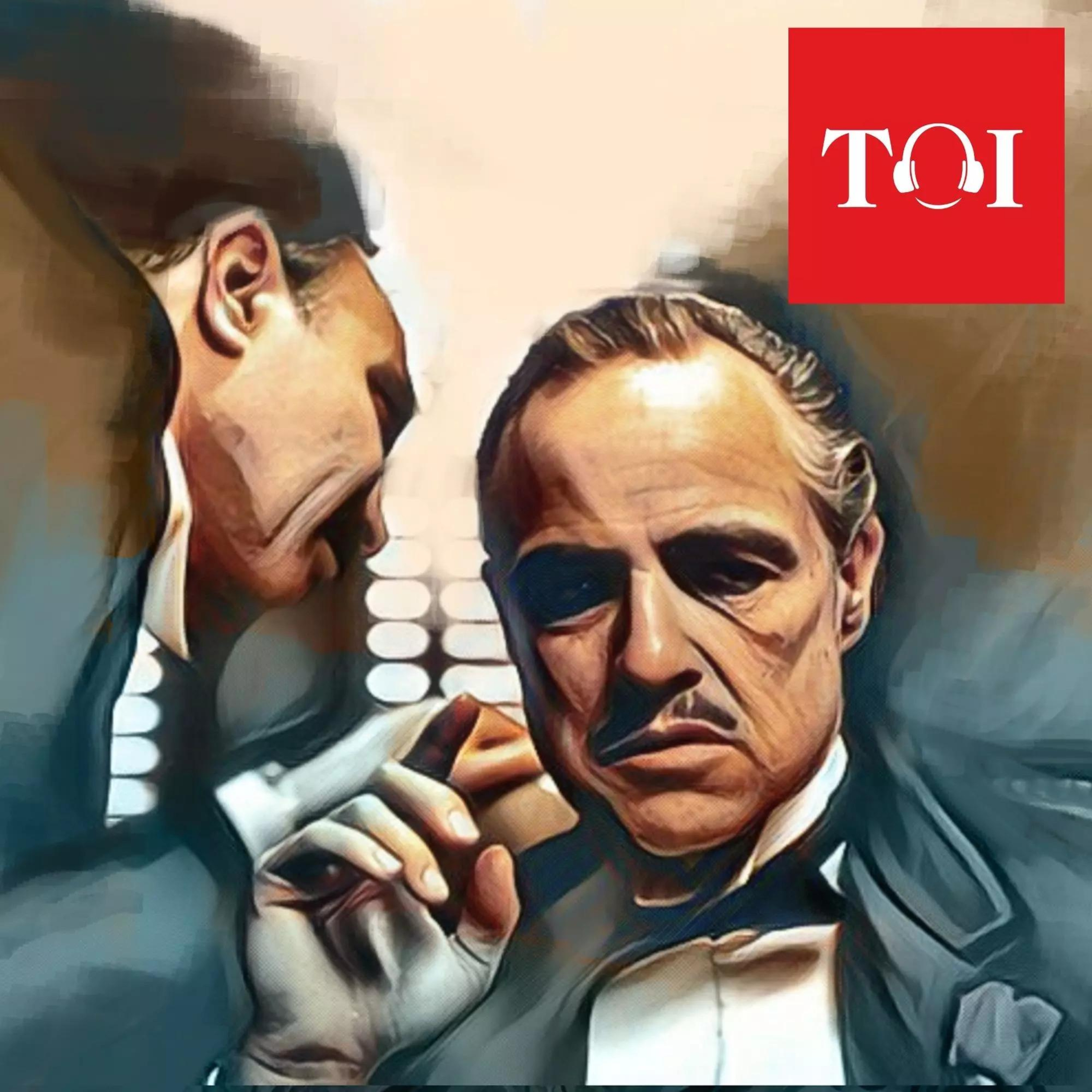
Why The Godfather still rules
The Godfather released on March 24, 1972, inspiring films everywhere since. Filmmaker Vikramaditya Motwane and critic Jai Arjun Singh talk about why a film about an Italian mafia family remains relevant over 50 years later and why it remains an inspiration to filmmakers

Decoding the Indian consumer and economy
Rama Bijapurkar, one of India's most respected voices on consumer behaviour, talks about what firms continue to get wrong about the Indian consumer and her worries about the Indian economy
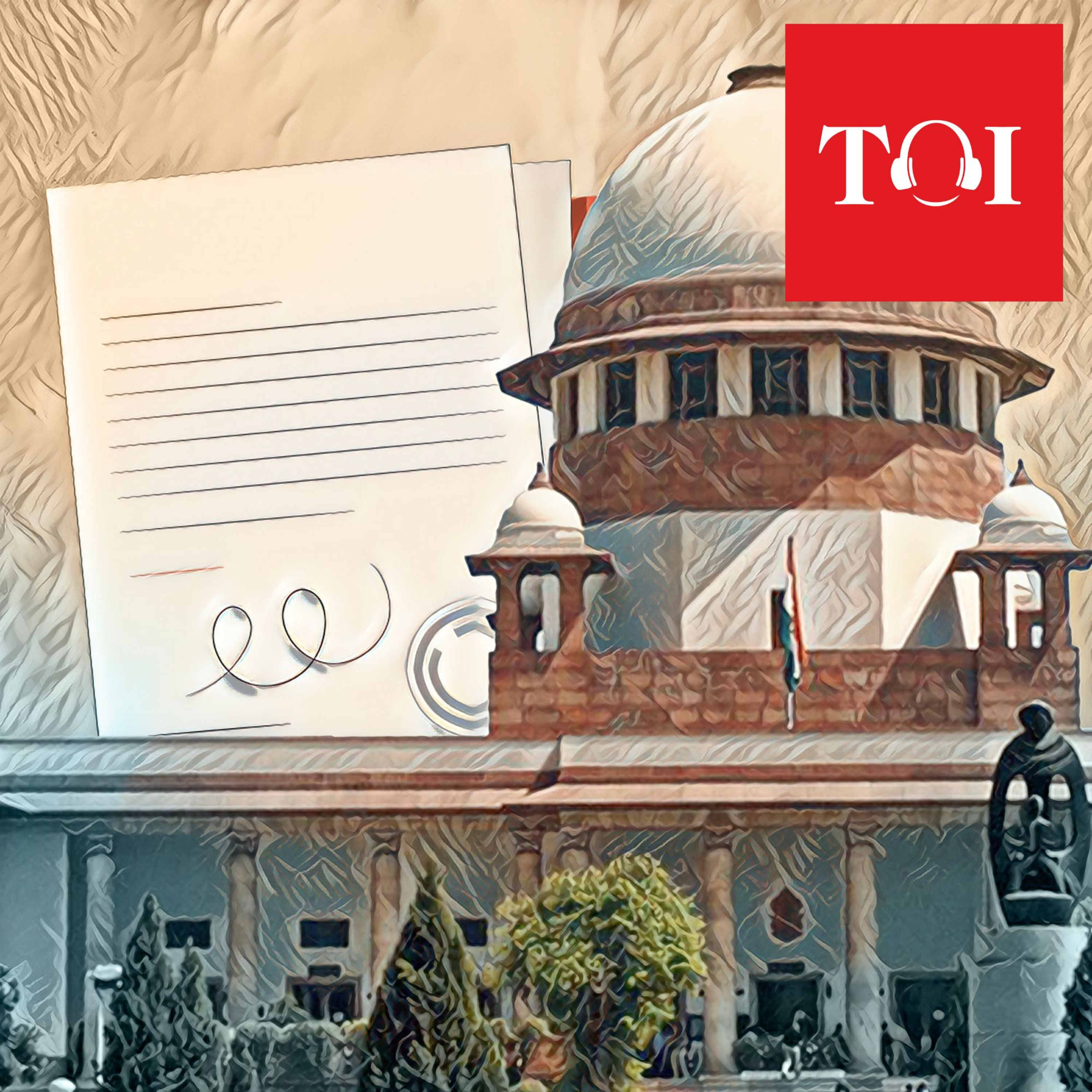
Making sense of electoral bond data
Maj Gen (retd) Anil Verma from Association for Democratic Reforms, which petitioned the Supreme Court against electoral bonds, explains what the data released about electoral bonds has revealed so far.
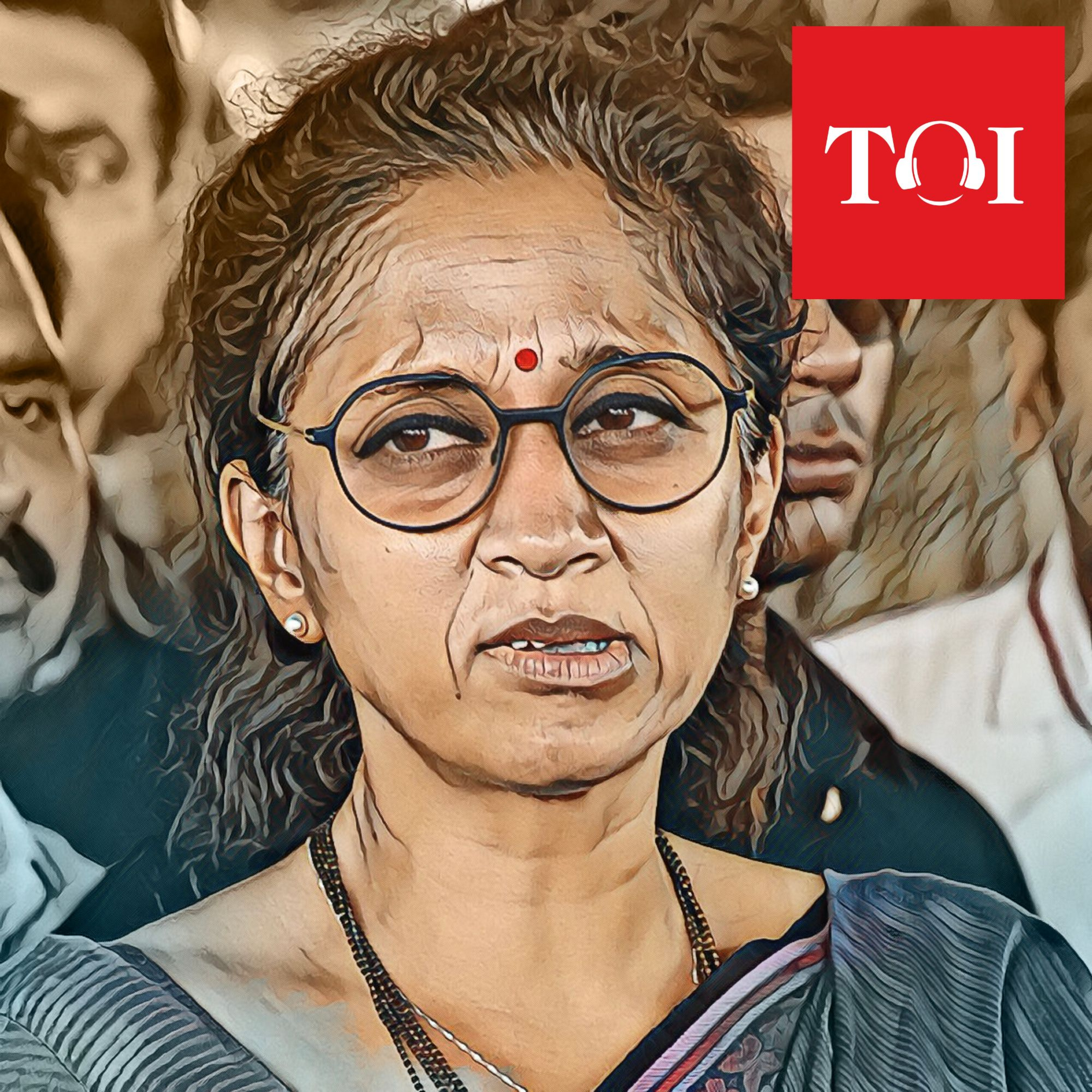
'There is no split in Pawar family or NCP'
Supriya Sule, who has represented the NCP for three terms in Parliament, talks to TOI's Alka Dhupkar about her upcoming Lok Sabha campaign and how she will run it, even if her opponent is Ajit Pawar's wife Sunetra.

A worrying curve
Dr Guha Pradeepa from the Madras Diabetes Research Foundation explains the worrying trends for India in a recent Lancet report on obesity and malnutrition.

What PM Modi can do to win Kashmiris' trust
AS Dulat was R&AW chief and a former advisor to the Prime Minister's office on Kashmir. He talks about his good friend Ajit Doval and what can be done to earn Kashmir's trust after abrogating Article 370.

Ask Devdutt Pattanaik: What happens when we try to put myths in history?
Could the Mahabharata have taken place at a time before horses were used in India? Author and mythologist Devdutt Pattanaik talks about the unusual problems that arise when you start to link myths with historical dates.
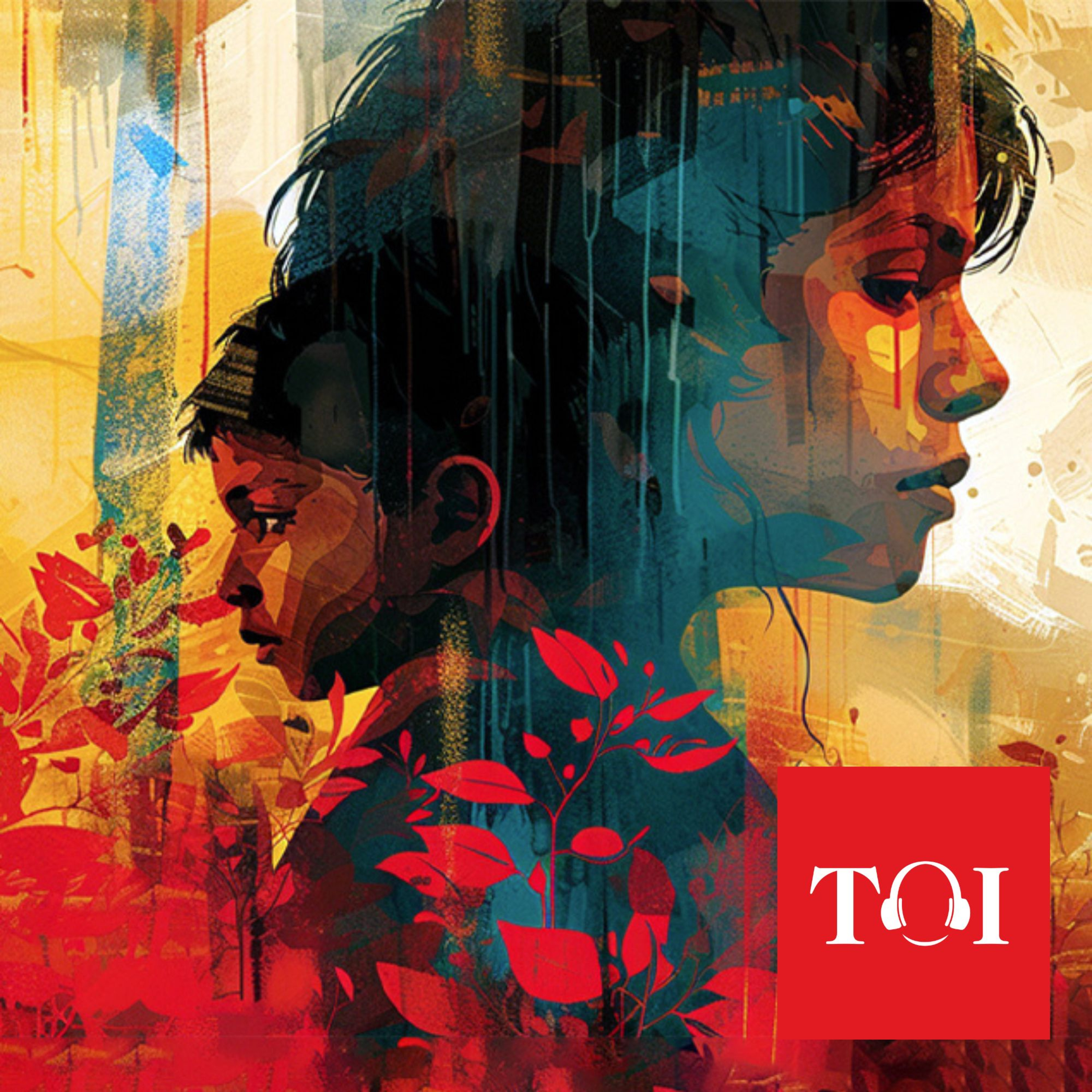
'I have two children, but one is with god'
Sadia Hasan's son died when he was eight. She talks to TOI's Ambika Pandit about living with loss, and a chance meeting that resulted in her producing the film 'Yes Papa' which targets child sexual abuse.

I've pleaded not guilty because I'm not guilty: Indrani Mukerjea
Accused of murdering her daughter and out on bail, Indrani Mukerjea is presently the subject of a docu-series. In this interview, she spoke about not seeking to change people's opinions of her and why the high-life wasn't all fun and games.

How to navigate a stroke
In light of Zerodha CEO Nithin Kamath's public statement on suffering a stroke, Mumbai-based neurologists - Dr Shirish Hastak and Dr Pawan Ojha - talk about causes, first aid tips and why public figures talking about the condition is a good thing.

How to deal with the issue of stray dogs?
Recently, a two-year-old was killed in Delhi by a pack of stray dogs, raising questions about how cities should deal with the issue. Dr Gowri Yale, a veterinarian who works on the issue, spoke with TOI's Alka Dhupkar about how we can deal with stray dogs without resorting to extreme measures.

What to expect as Russia-Ukraine war enters year 3
TOI's Rudroneel Ghosh speaks with Lithuania's foreign minister Gabrielius Landsbergis and Dr. Rajorshi Roy at the Manohar Parrikar Institute for Defence Studies and Analyses to decode where the Russia-Ukraine war is headed and its continuing impacts.
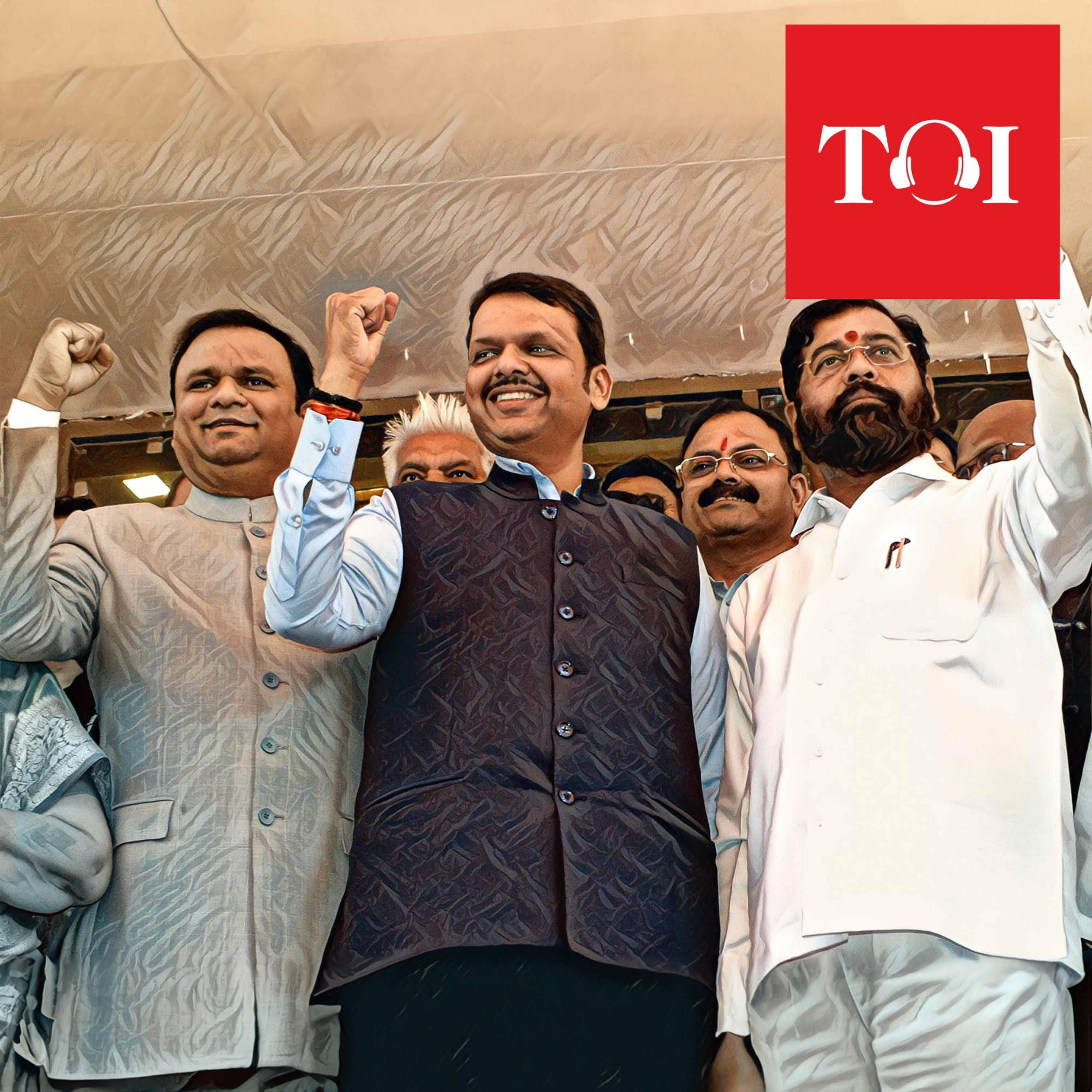
The legal roadblocks for Maharashtra's Maratha quota
Sreehari Aney, former advocate general of Maharashtra, talks to TOI's Bhavika Jain about the legal challenges the bill to grant a 10% quota for Marathas seems set to face.
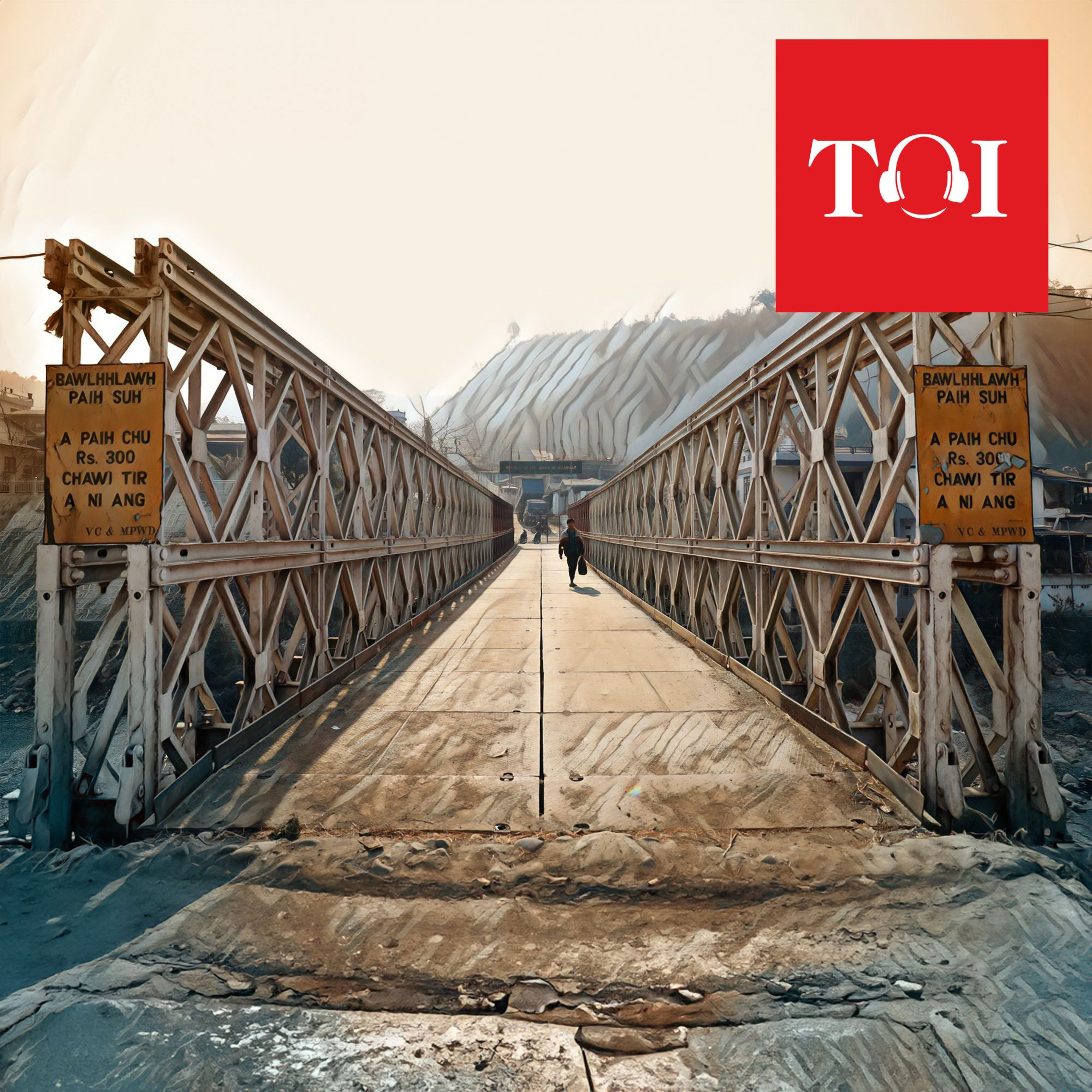
Why the plan to fence this border doesn't have too much support
India's announcement to fence the border with Myanmar hasn't been met with support from three states. Journalist and author Rajeev Bhattacharya - who has travelled into Myanmar through the open border - explains the situation on the ground and why there's limited support for the decision
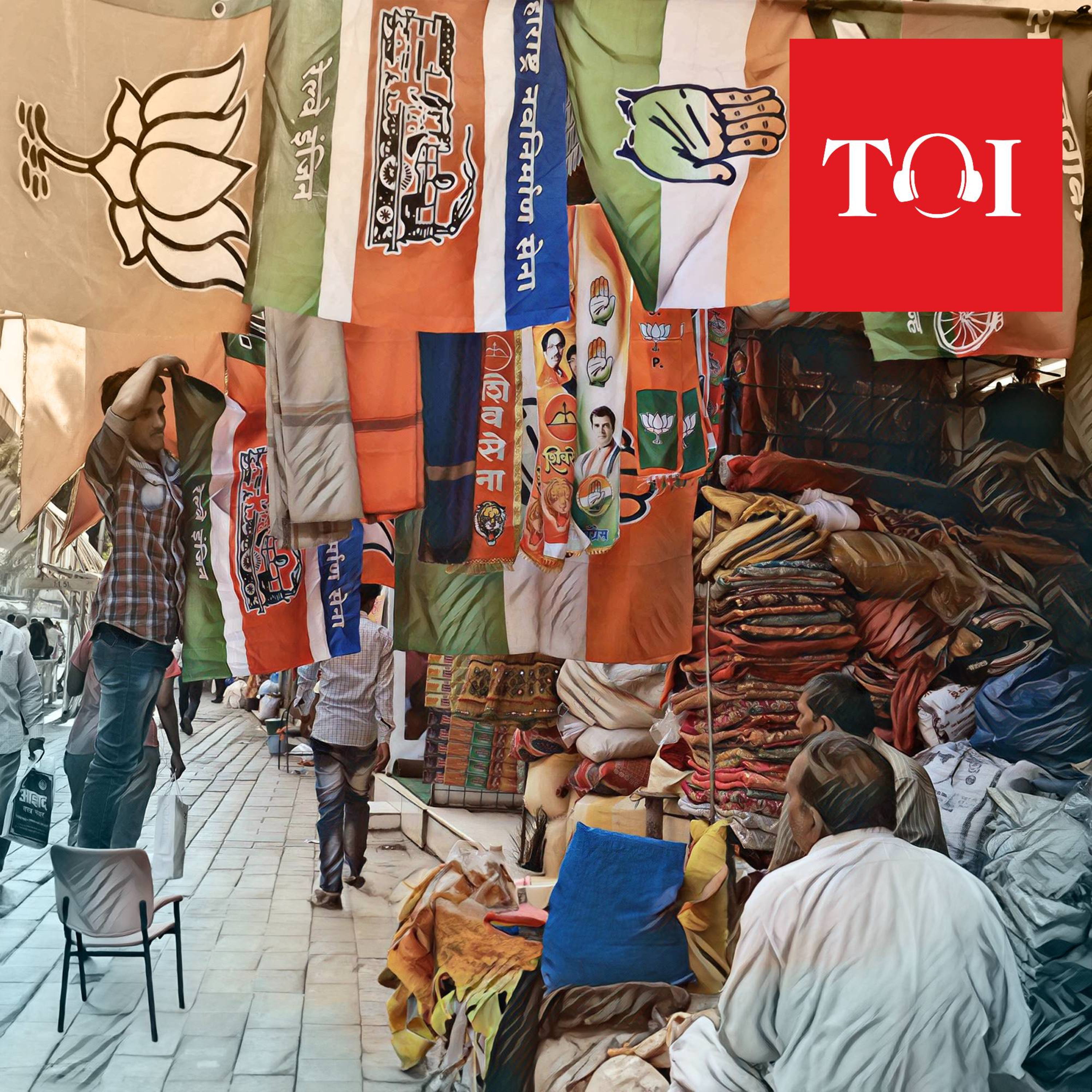
Is ideology dead in Indian politics?
Political scientist and author Suhas Palshikar explains the importance of ideology for political parties and why parties ignoring it isn't a good sign for Indian politics.
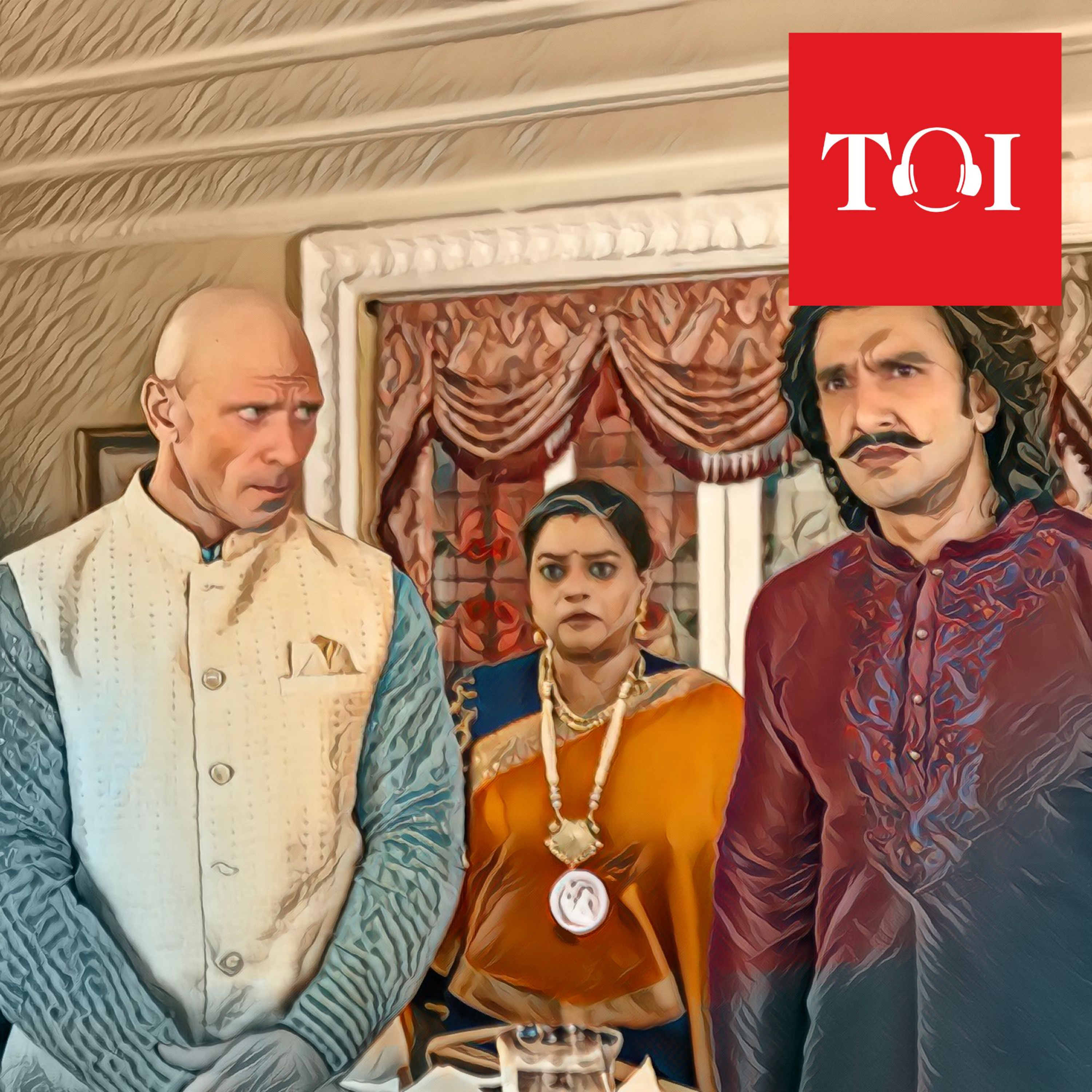
Don’t let Ranveer ad fool you about 'supplements'
Sexologist and author Dr Rajan Bhonsle talks about the dangers of 'supplements' that promise to solve sexual problems and the dangers of self-medicating to solve problems.
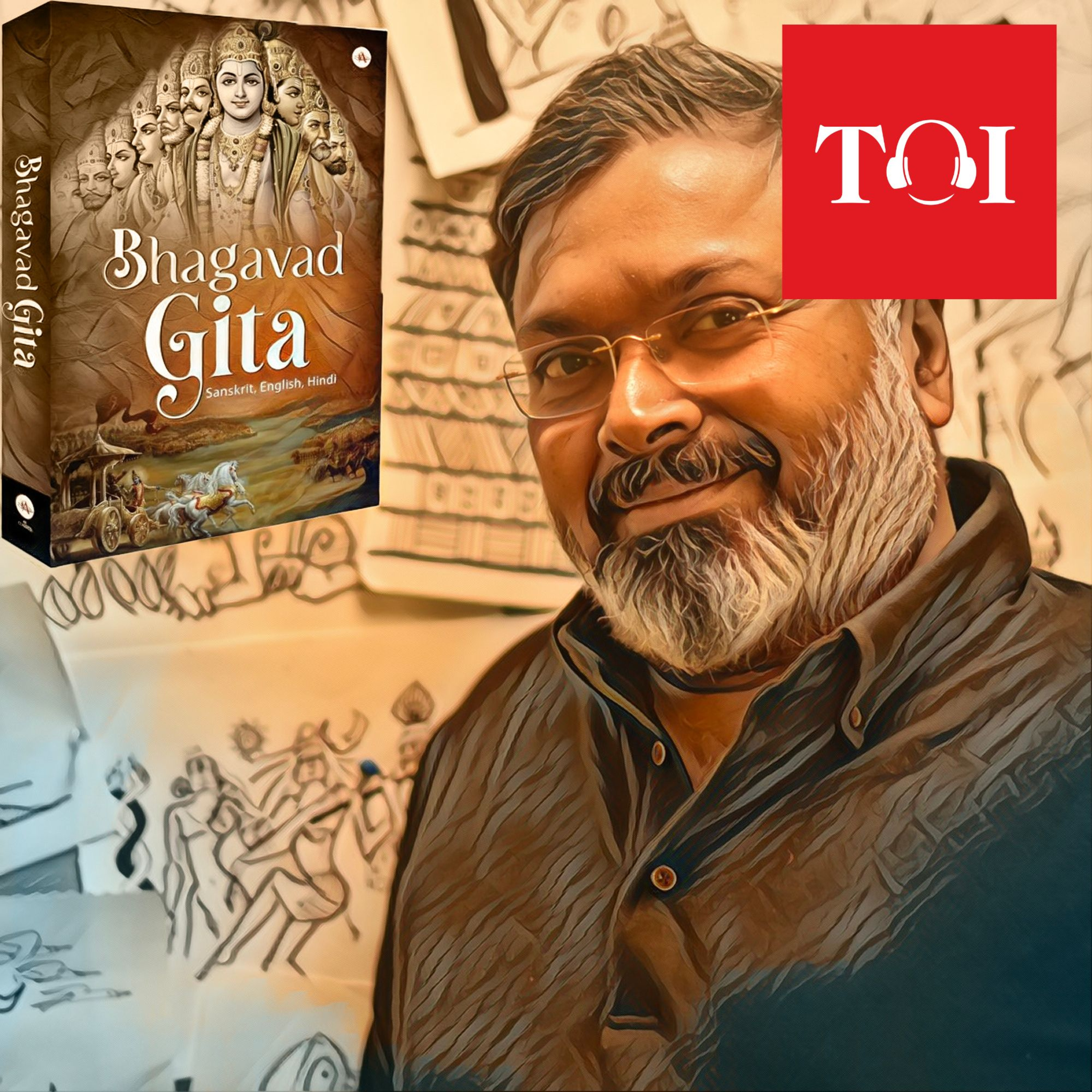
Ask Devdutt Pattanaik: Why is it difficult to teach children Bhagvad Gita?
As a state doubles down on its decision to teach school children parts of the Gita, author and mythologist Devdutt Pattanaik talks about why the holy text may not be for children. He talks about its complexities and also why he believes it shouldn't be viewed outside the context of the Mahabharata.

Despite fixing, Pakistan election throws up surprise
After Pakistan's national elections throw up a result that defies all pre-poll predictions, academic and author Ayesha Siddiqa explains what this means for Nawaz Sharif, Imran Khan, the Pakistan Army and ties with India.

Uttarakhand uniform civil code: Pros, cons and lost chances
Mihira Sood, Executive Director of the Centre for Child Rights & Juvenile Justice at the National Law University in Delhi, first decodes how much Uttarakhand's uniform civil code changes things. She also explains why the state's proposal on handling live-in relationships is very problematic. (15:50)
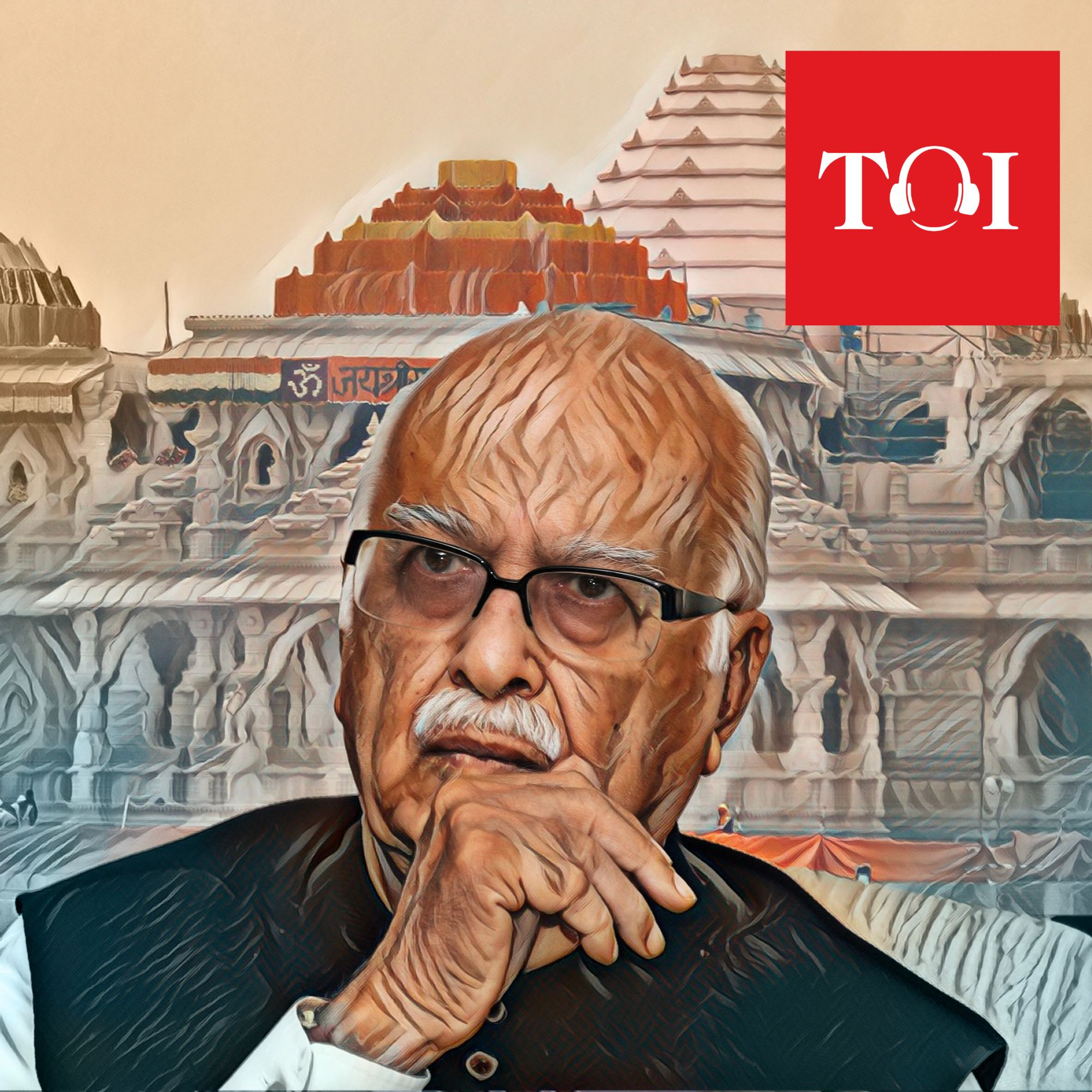
Modi and Advani: The BJP pitch for 2024
TOI+ columnist and journalist Radhika Ramaseshan talks about Bharat Ratna awardee LK Advani's contribution to the Ram temple cause and his own political fall. Then she decodes the BJP's campaign strategy ahead of the 2024 polls.

The 'bird fancier's lung disease' that kills
TOI Plus's Lata Mishra speaks with doctors and patients about hypersensitivity pneumonitis, why a bird's being blamed for its rise and how to prevent it.
Recommended

Aleena Dissects
The Human Thread

StartupLanes: Building Business and Raising Funds

Little Fixes- Women's Mental Health & Personal Growth

CIO Leadership Live: India

Iti Itihaas
The Dark Psychology

Naami Giraami

Stories Of India Retold

SELF LOVE with Megha Bhatia

The Ayurvedic Podcast

Dil ki Baat with Rituu Verma
