
Books and Authors
National Books Editor Manjula Narayan discusses books, authors, and their journeys in this podcast. Each episode features conversations with writers, offering insights into their works and creative processes. The show is a Hindustan Times production brought to you by HT Smartcast.
Episodes
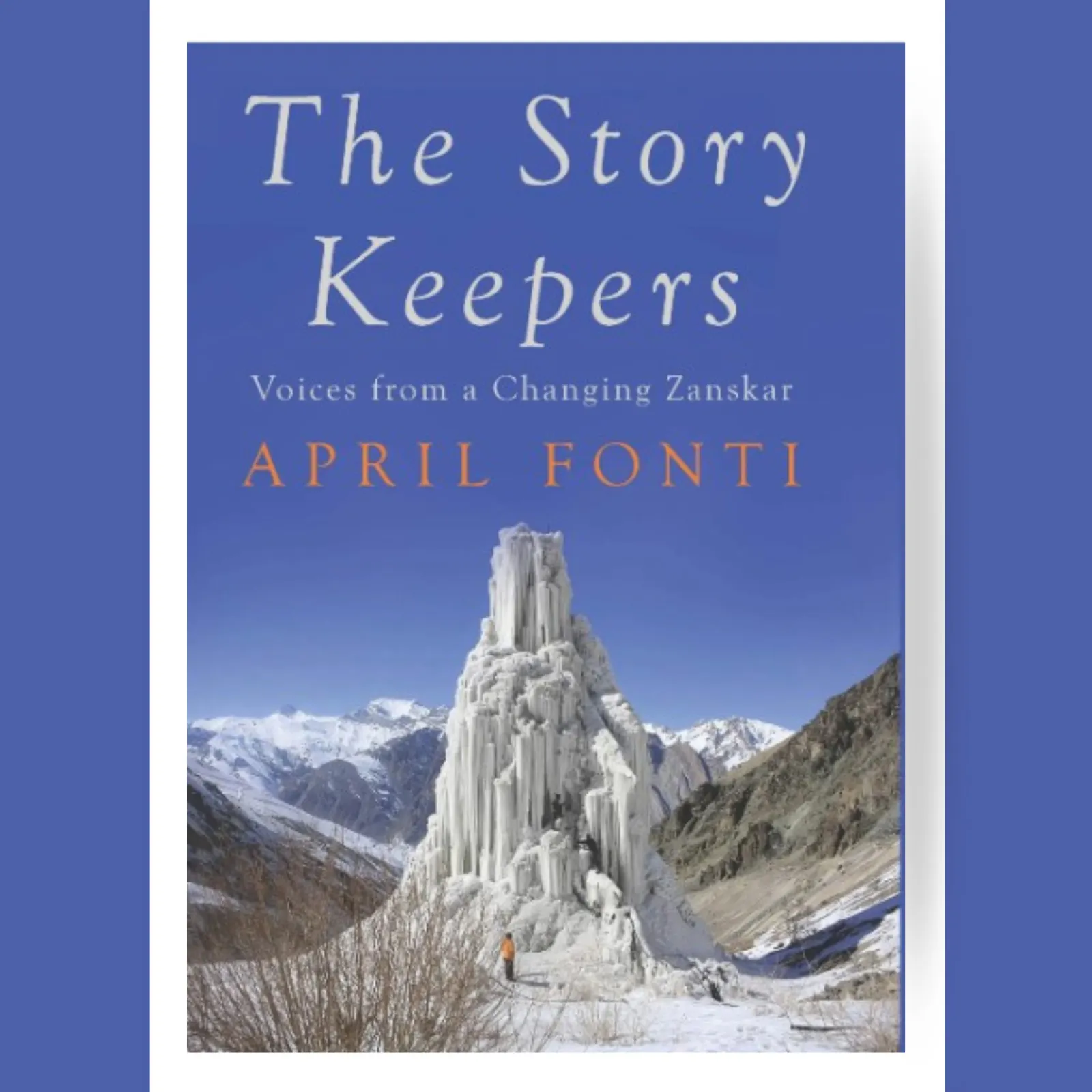
The Road to Zanskar
"Even in winter, twice a month, the first postmen in Zanskar in the 1980s climbed rock faces and crossed frozen rivers -- if you fell in, you could die -- in a journey that took three days, to deliver the post. Then, there's the first allopathic nurse in the region, who once walked without stopping through deep snow for three nights to save a woman in labour. What extreme tourists do today for fun

Slow and steady wins the race
"The fossil fuel age gave us speed. This, on the one hand, allows us to think, 'I'm going faster', but it never defines 'faster to where, and to what?' You become a victim of speed -- always trying to catch up with yourself. The climate crisis is a result of chasing speed mindlessly, endlessly. Slow living is mindful; it's caring of the earth and of community. Healing our relationship with the Ear

The quiet pull of the Pune police procedural
"The way I look at it, whydunnit is actually more important than whodunnit. There are only so many permutations and combinations you can think of in terms of whodunnit. It's finite whereas whydunnit is extremely important because what drives the person? I read a lot of news and I really wonder about the depths to which people can fall"- Salil Desai, author, 206 Bones; An Inspector Saralkar Mystery
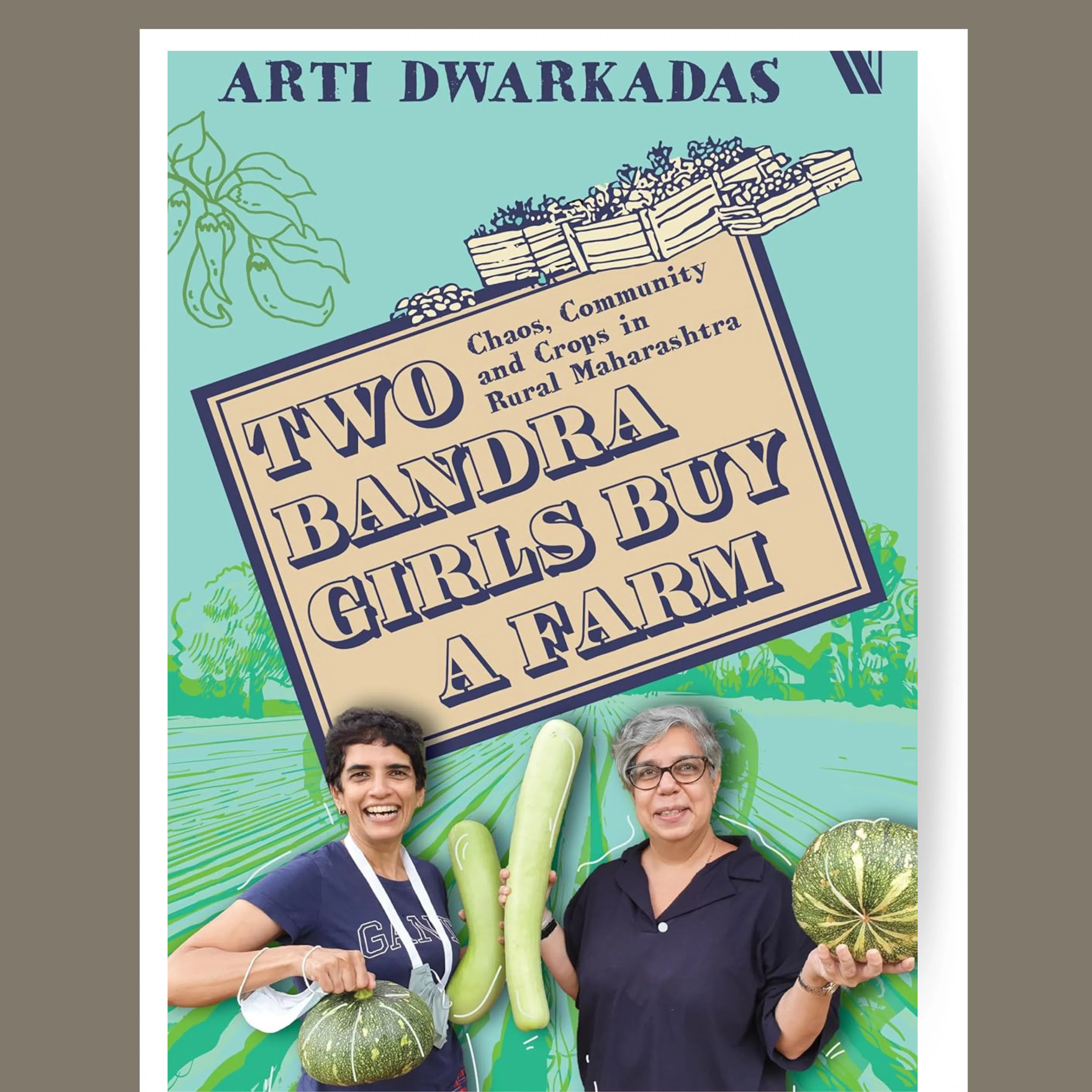
A return to the land
"We went in with urban confidence and rural reality hit us in the face at every turn! Establishing a farm is probably the most difficult thing I've done. I think everybody should do it."- Arti Dwarkadas, author, Two Bandra Girls Buy a Farm, talks to me about growing varieties of rice, mangoes, tomatoes and more on the patch of land in rural Maharashtra that she and her friend Suzann have been nurt

Using stick figures to demolish dubious politics, doublespeak and more
"You may try to believe that you are living in a First World country and that your reality differs from that of a poor person in your vicinity. But, at the end of the day, you will face the same existential threats that they do. Through my comics and the essays in this book, I'm trying to reach people who have the same privileges as I do; those who tend to ignore politics because it benefits them.

A fight against forgetting
"Comics and literature allow us to enter worlds through our imagination; it is a medium of not-saying. We read because we want to get into the interior worlds of say, a family living in a room in Algiers. Cinema does not give that because the director decides, though TV sometimes does give that. But through comics and literature we get into the extraordinariness of the interior world." - Sarnath B

A people willing to sacrifice their lives to save nature
"The Salman Khan story reached the headlines and people thought, well, if the Bishnois can go for him so effectively, it's not safe to poach there. It has actually reduced poaching. So many Bishnoi die protecting nature; they will go unarmed against poachers. The Bishnois all share the horror of what Salman Khan did but the Lawrence Bishnoi method is completely the opposite of what the community b

Jewellery: Of ornamentation and adornment
"I don't think you will find anyone in India who doesn't wear a piece of jewellery [of some sort]. The Amrapali Collection is a pan Indian one. The jewels in this book are worn by pastoralists, the agricultural communities, the villagers of our country. I look at jewellery as works of art. Our villagers are no longer what they were. So it was important for me to document this art form before it va

Tatti tales: The things you can learn from animal poop
"Poop acts like social media for many herbivores. Besides, the droppings of whales tackle climate change, while elephant waste helps regrow forests. Wild animal poop is helping science and conservation and is also used in zootherapy" - Shweta Taneja, author, The Big Book of Wild Poop, talks to Manjula Narayan about everything from the finicky housekeeping habits of ants and how some DNA researcher

From poffertjes to perad and pepper water
"I used to be very possessive of my recipes. I didn't want to give them away until a senior chef told me, "Listen, even if you give the recipe, everybody's hand is different; it will not be the same." Then, as time went on, I said, actually, some of these recipes should be preserved and if my children are not going to carry it on then at least other people in the community should know about them.

Reading, writing, rocking
"The thing about being a writer is that we write from a sensitive, empathetic place but we are also ruthless in that when we are grieving, we take notes of our grief. Ruskin Bond told me that the best way to write about people is just to live long enough that they all die before you. It succeeded with him; hopefully, it will succeed with me!"- Twinkle Khanna, author,
Mrs. Funny bones Returns, ta

On journeying through life
"To be alive is, in many ways, to travel; it's to journey through time. We tend to think of travelling as something that involves space or place or geography; moving from one place to another. But the other aspect of travel is just journeying through time; every human being alive journeys through it. I write about journeying through language, grief, parenting...These are universal milestones. I lo

Space operas, dystopias, and the perfect worlds of the far future
"Science and speculative fiction has always been about responding to the preoccupations of the time. I was attracted to the genre by the imaginative possibilities it offers by allowing the creation of a different world that then lets you shine a light back onto our world. While putting this anthology together we were looking for anything that could broadly fall under the category of spec fic. If c

Train through India
"Trains in India are public sites and they are sites for social exchange and its a collective identity but what the smartphone has introduced is not only the private sphere into the public one, but also a flagrant abuse of the public sphere by making it totally private! This includes the watching of shows at a loud volume and having conversations like that too."- Amitava Kumar, author, The Social

Irony, 'influenza', and Internet mythology in contemporary India
"I don't take the usual dystopian view of the Internet. I see it as a unit of society and use it to understand the self, the nation and politics. So, I didn't want to look at caste from the usual Dalit-Savarna perspective - a different kind of system is playing out on the Internet. Many middle castes are anxious to move up the ladder. No one can become a Brahmin but the Kshatriya space is open so

Jagat Murari & the FTII: art, argument and institution building in young India
"In my father's view, the making of a filmmaker wasn't just about teaching the art, craft, and science [of filmmaking], but also about allowing the filmmaker to find their own unique voice and have the confidence to be their authentic self." - Radha Chadha, author, The Maker of Filmmakers talks to Manjula Narayan about Jagat Murari, who played a key role in the emergence of the FTII, the conflicts
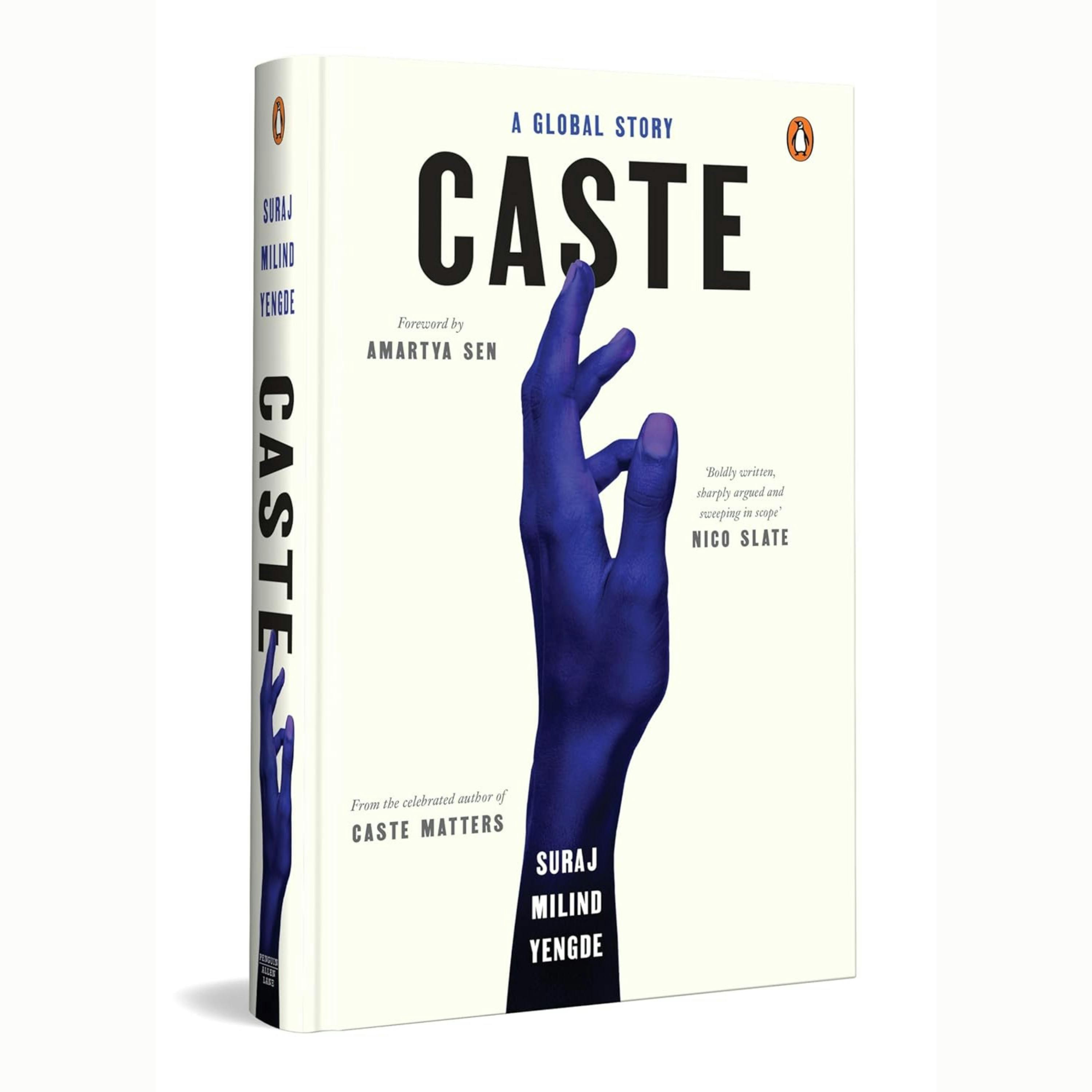
On the multi-storeyed tower with no staircase and no entrance
"What I wanted to say about the global dimension of caste was to look at it from the subjectivity of its victim. So Dalit as a subject takes a central place in this text, and this Dalit subjectivity travels to nearly 15 countries with us [the diaspora]. These constituents are similar but the geographical,political and local [elements] that interact with it give a new dimension to caste. Though it

Things that go bump...
"Some call them ghosts but I look at them more as energies that coexist with us. In many ways, like the Buddhist and other Indian philosophies say, we are on a continuum of Time and many souls can go back and forth, in some sense. While you never really get used to it (ghosts and supernatural elements), you get used to the fact that not everything is ordinary. I have very acute hearing and maybe t

Going with the mighty flow
"We travel on the river but the real traveller is the river, and to understand it one has to make a substantial effort" - Sanjoy Hazarika, author, River Traveller; Journeys on the Tsangpo-Brahmaputra from Tibet to the Bay of Bengal talks to Manjula Narayan about his earliest memory of seeing dolphins dance in the river in Guwahati, following the great stream through Tibet, Arunachal Pradesh, Assam

Fraud, fear and loathing from Jamtara to Sihanoukville
"I wanted to use fraud as a way to look at our society today. We have a fraud underworld industry that employs multitudes. If you have such a large number of people who will readily go over to the ethically grey zone -- they join to help family and then they find there's no coming back -- they are an incredible asset not just for someone running a scam in India but anyone anywhere in the world who
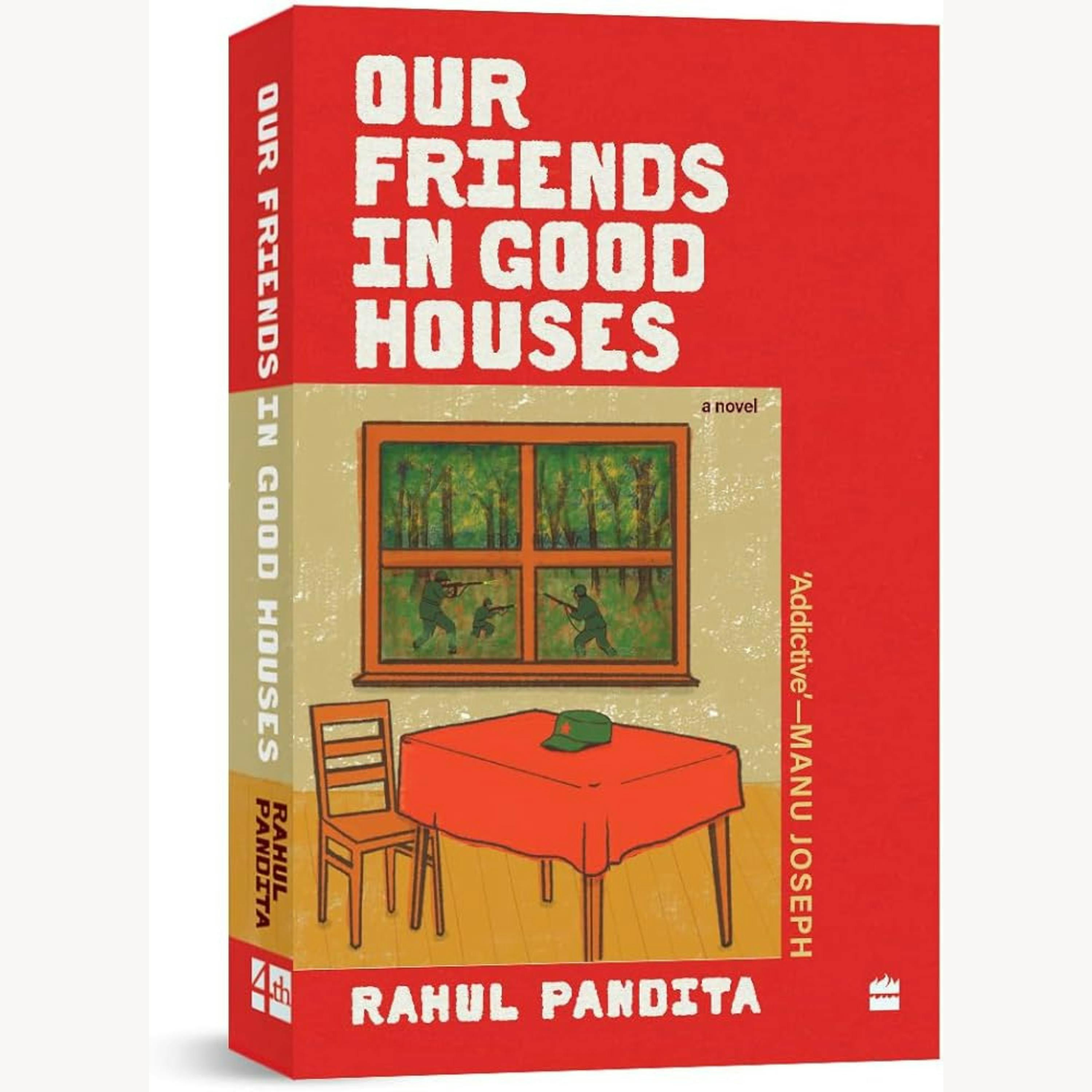
The ache of a phantom limb
"I have my own history. I was evicted from Kashmir like many thousands of others. But when I went to Bastar and when I looked at other conflicts and what it was doing to other people, my own misery faded in comparison; because even in the worst of my situation, I had not touched the kind of pain and marginalisation I touched while travelling in the hinterland of India"- Rahul Pandita, author, Our

Grip of a godman
"In India, we don't use the word 'cult' but the photo of a godman hangs in every other home and it's all placed under the umbrella of culture. Cults go after the most vulnerable, those who are not thinking with their rational mind. That's exactly what happened with my parents. When they saw death, they gravitated towards what gave them most certainty. The majority of people going to such gurus are

Stories from the Seven Sisters+1
"Life is uncertain, which many of us tend to forget, and there are many things we can't explain; for those things that are inexplicable, we have stories. I was born into conflict, and growing up in Shillong in the 1990s, literature was a lifeline. It allowed us to see that, whatever the past we had inherited, there were other possibilities. Literature gives clarity to the messy parts of life, even

On the record
"I was picked to cover Punjab in 1984 and that's how my journey began. After that, I was sucked into the lives of people living with everyday violence. For me, it was about being a storyteller and about the sociology and the psychology of violence and why it had taken root in the different conflict zones that I've mapped.
I'm talking about conflicts that are still relevant. I've tried to trace t

A desi love story: adventures with Indies
"I love travelling and I was sad to leave my dogs all the time. I had to find a way of travelling with them so Indian Railways came into the picture. Our first journey was from Nizamuddin in Delhi to Madgaon in Goa and the dogs were really well behaved. They really took to it. Tigress fell in love with the pantry! Since then we've done over 75 train journeys across India and by the end of it there

Of birds, bees and educated fleas
"Humans don't really know what we are doing. Mostly, we are blundering along. A lot of animals that were once looked upon favourably and bred - like the pigeon for sending messages - are now considered as pests. It is really because of human intervention that many of these animals and birds have become abundant"- Deepa Padmanaban, author, Invisible Housemates, talks to Manjula Narayan about famili
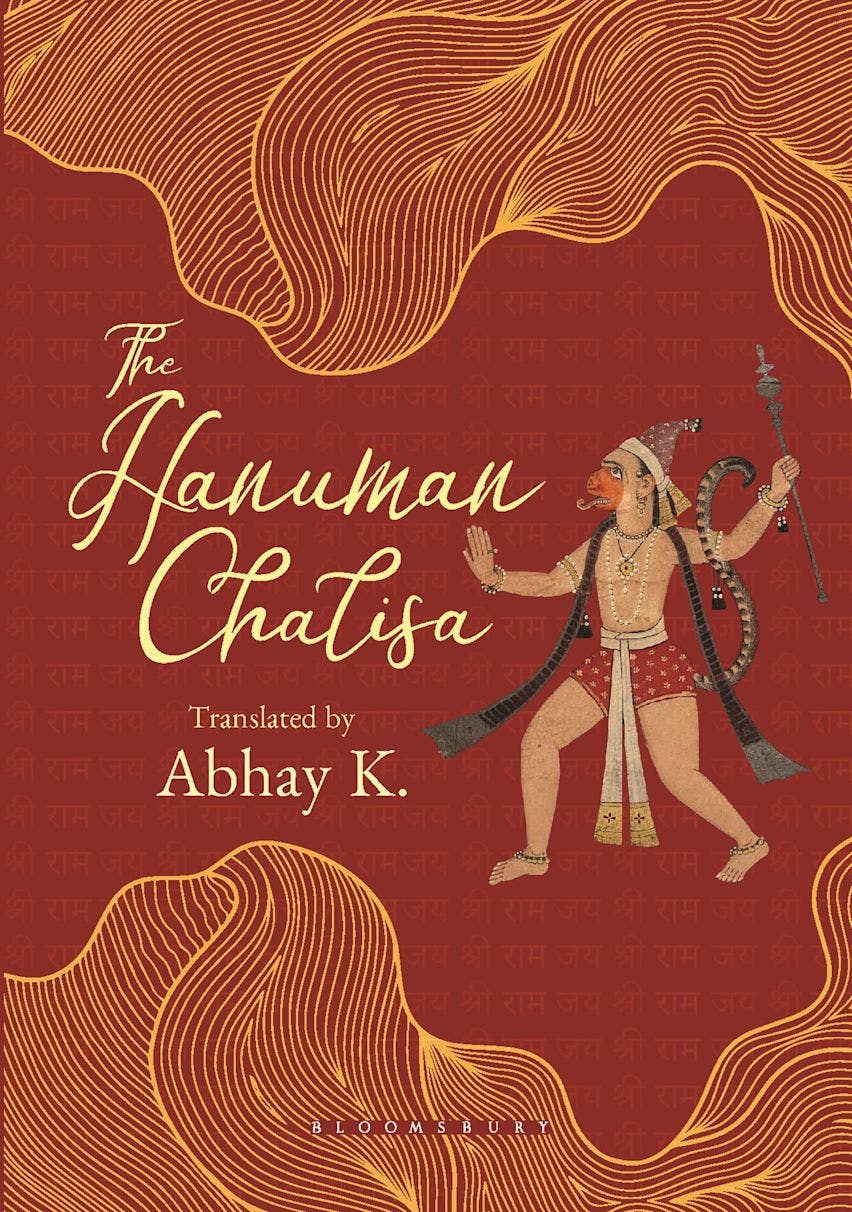
Hymn to Hanuman
"As a child I lived in a hostel away from my parents and I was always scared so my parents told me to recite the Hanuman Chalisa. That's how the text entered my life. Recently, I met a delegation from Trinidad and Tobago who said that the one thing they desperately needed was a singable translation of Indian spiritual texts as they can no longer read the original Awadhi or Hindi. So then I decide

Following her own beat
"When we write about music history, we are mostly talking about artists. There are also fewer biographies, autobiographies and memoirs by instrumentalists. But can the instrument itself become the protagonist to tell us our story? This has been one of my concerns as a practitioner. The ghatam is present in music across the country. It is an instrument with personality and has a central role in fol

Brayed of tongue
"Generally in India, the moment you see deviant behaviour, you immediately label the person 'mad'. But at least now, in some circles, the attitude towards seeking psychological help is changing. Some of these stories show how women with mental health issues become especially vulnerable. We see this so often in news articles. So these stories are right out of the society we live in." - Nabanita Sen

Of public chaos and amateur Indians stranded on islands of privilege
"I feel India's politics is the revenge of the poor; it's why things are the way they are. They might not look at it as a violent act but it emerges from some kind of violence against us, the middle class. Whatever politicians do, usually there is local support. So it's a peep into human nature. We were always paying a price to escape India. Now, it costs a lot of money to fully escape. Now, it se

Of Hawa Hawai and writing for his life
"People know about what sometimes happens to girls growing up in the kotha; but no one knows what happens to boys. Nobody's written about it as such so I thought I might as well do it. A kotha for tawaifs is not a place for sex work. There aren't really any pimps. If they turn up at the gates in the evening it's to usher in patrons for the song and dance, the entertainment, not for soliciting sex.

Homage to the fruit of the gods
"In India, in the Philippines, and in the Caribbean, in places where the mango grows, it's viewed with universal adoration. We Americans are good at thinking that we have the best of everything; but not mangoes! We get these mangoes that look really good but they're more like an apple! It was a real aha! moment when we realised that we don't have the best mangoes!"
Constance L Kirker and Mary New
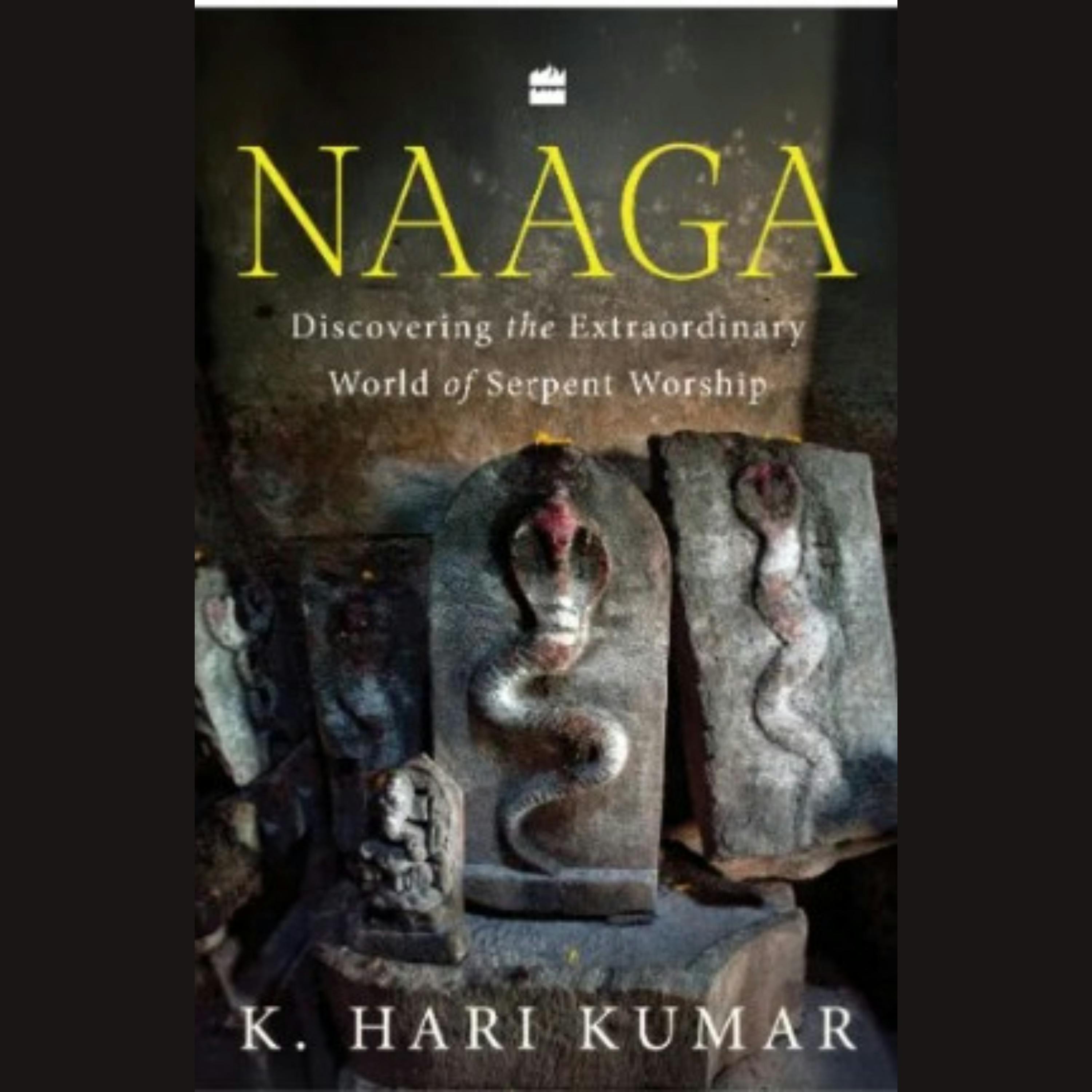
Awe-inspiring ophiolatry
"If you look at primordial deities, they are serpents, eggs, the sun and the moon - early humans associated divinity with these things that they could see. So, serpent worship existed everywhere across the world. In India, you see a common pattern whether it's in the south, or in Uttarakhand and Kashmir and even further north in Tibet - there are elements and iconography that's similar. Scholars b

The Hymn to Nikkal, Einstein's violin, musical space odysseys and beyond
"Music connects us with something deeper. We know there's stuff around us that science cannot explain. Consciousness, for example, is hard to explain through science alone. Music seems to connect you somehow with what this other thing is. The emotional impact that music has and how it connects people together is also very profound. Music was absolutely central to Einstein too and if he got stuck i

Of promises broken over centuries
Pastoral and indigenous communities in Nagarhole, Arunachal Pradesh, Chhattisgarh, Himachal, and the Van Gujjars in Uttarakhand are the ones who are protecting forests. They have a relationship with it. It's a sense of ecology that has to be looked at for solutions to the many big questions that we are grappling with at the moment. Since colonialism, the agenda has been to keep these people from b
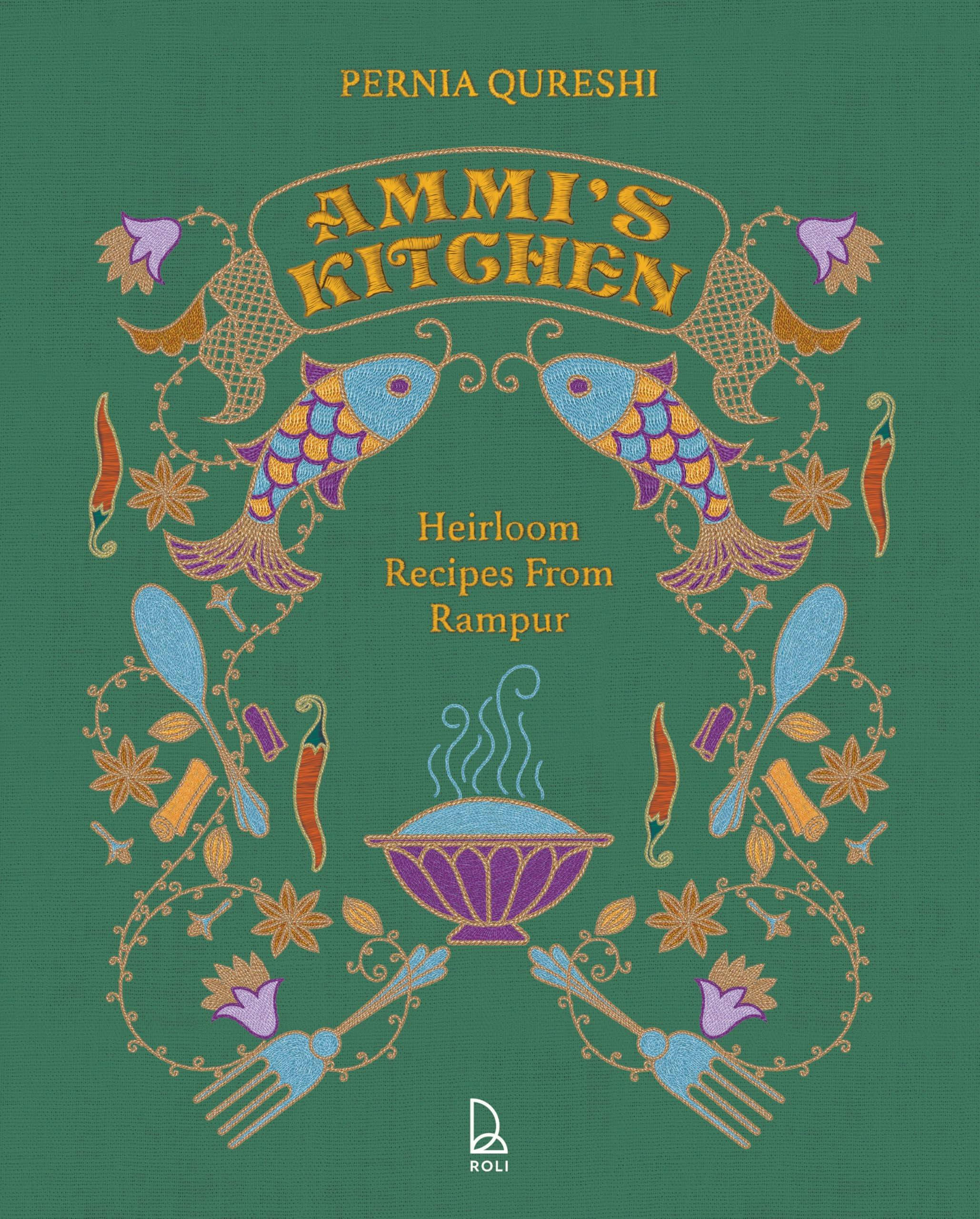
Of anda halwa, taar gosht and more
"Being able to experience the love of a grandparent is one of the most special things I've had in my life. It's the only selfless love you'll ever experience. Food was my Ammi's love language and my family formed a special relationship with food because of her. My grandmother passed away in her 90s in 2019 and one of my biggest regrets is not releasing this book in her lifetime - because she deser
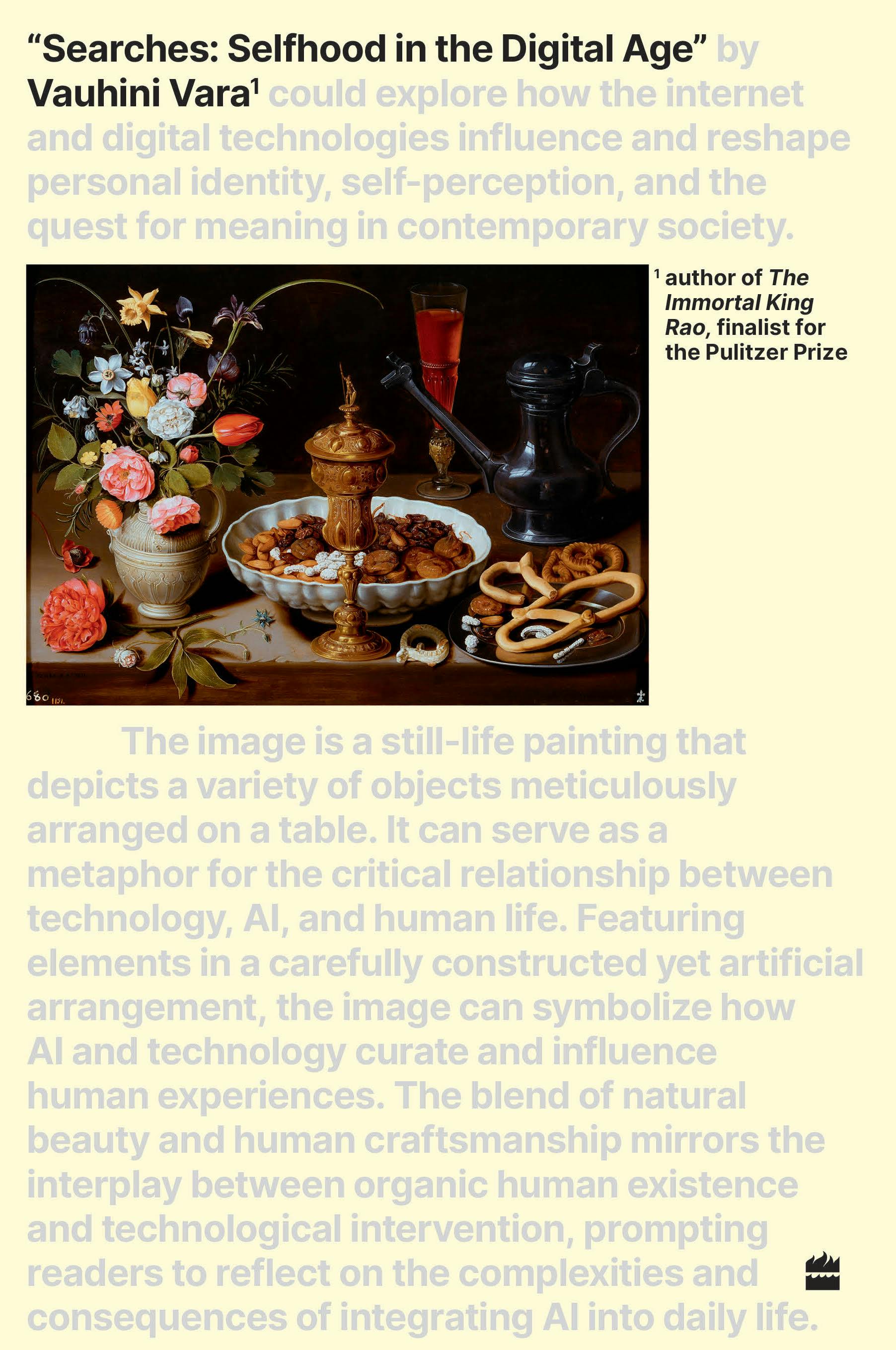
Only connect
"I wanted to make the case that here is a system that we all created together that allows for our exploitation through the prism of services that we actually do get some benefit from. Everybody involved in the system gets some benefit from it - the CEOs of these companies and also us as users. I wanted to investigate that complicity" - Vauhini Vara, author, Searches: Selfhood in the Digital Age ta

Much food for thought
"Our food has completely changed in the last 30 years. This has totally changed our gut physiology, our gut microbiome, and has caused silent inflammation in the gut. Issues like reflux and bloating are caused by a gut that isn't functioning well. Also, if you don't eat the right type of food, your body is incapable of making the neurological chemicals called neurotransmitters that are required fo
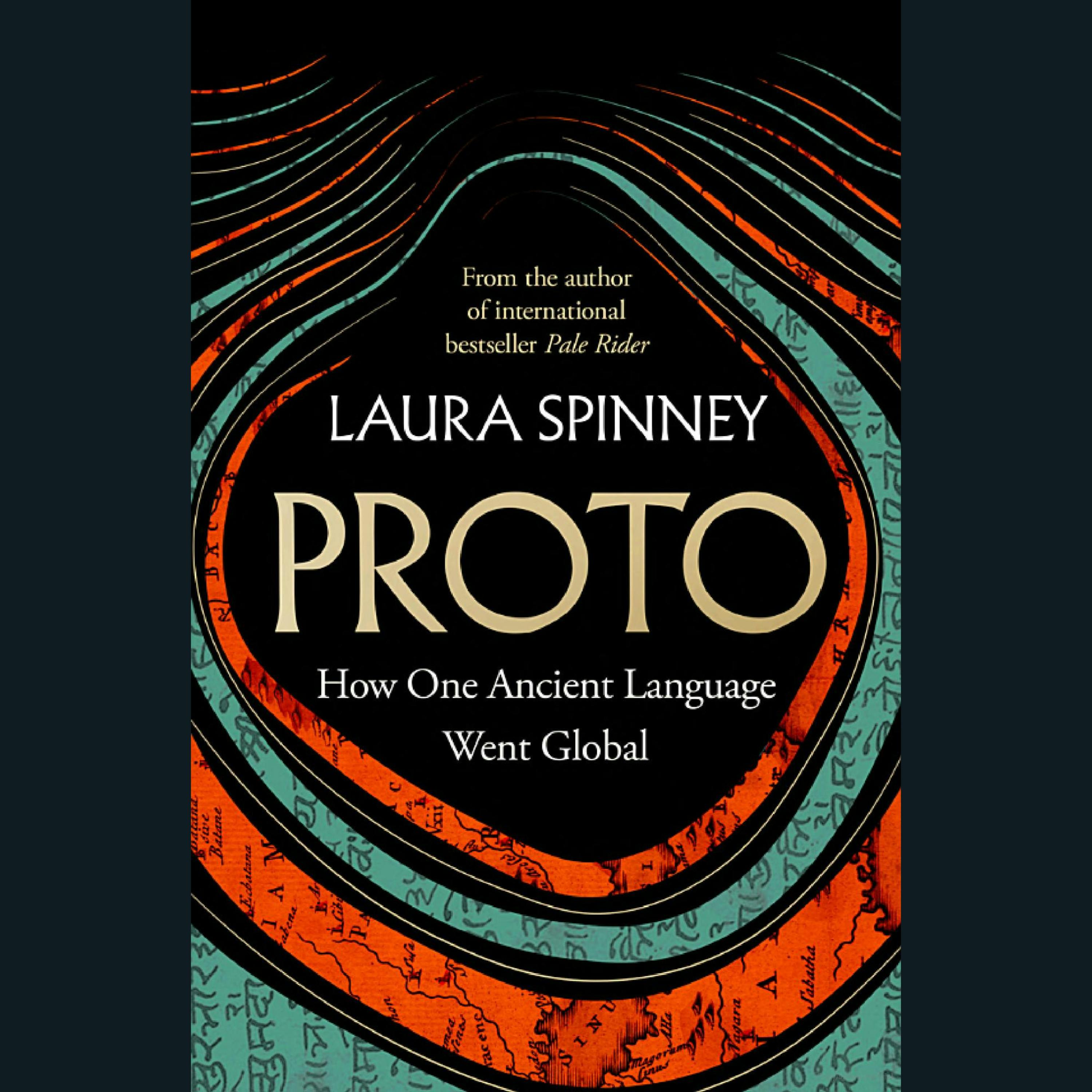
The original mother of many tongues
"One thing that's become abundantly clear from the ancient DNA revolution of the last 10 years is how important migration has been in the history of our species. So, of course, there has been hybridisation, cultural, genetic, linguistic. There is no such thing as a pure people, pure culture, pure language. Genes, culture and language do not map neatly onto each other. This book was a huge amount o
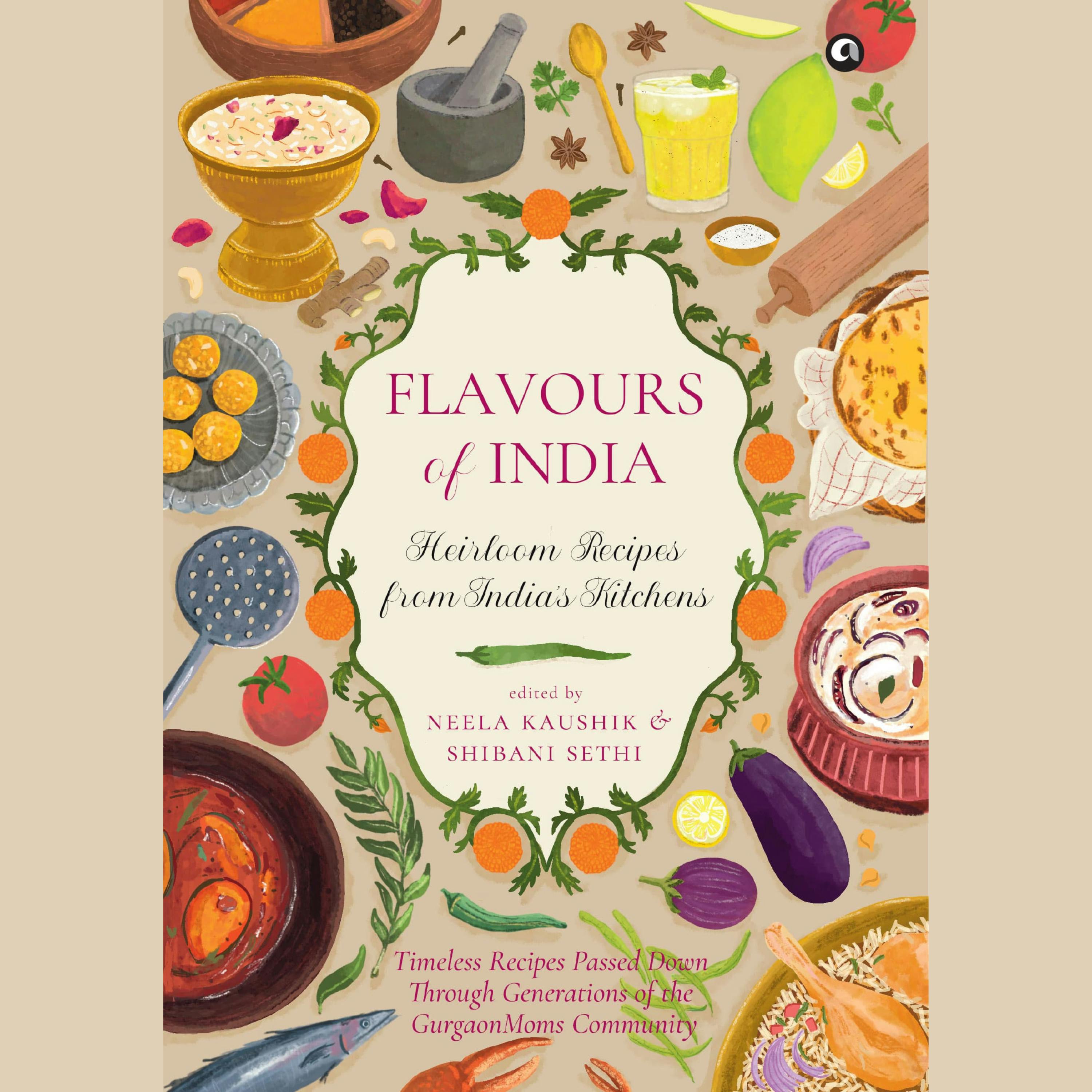
Of raab, kadhi and more
"Food is not just for nutrition but also for the soul" - @neelakaushik and Shibani Sethi, editors, 'Flavours of India talk to @utterflea abt the 40k strong Gurgaon Moms community that's contributed the family memories and recipes in this book
Learn more about your ad choices. Visit megaphone.fm/adchoices
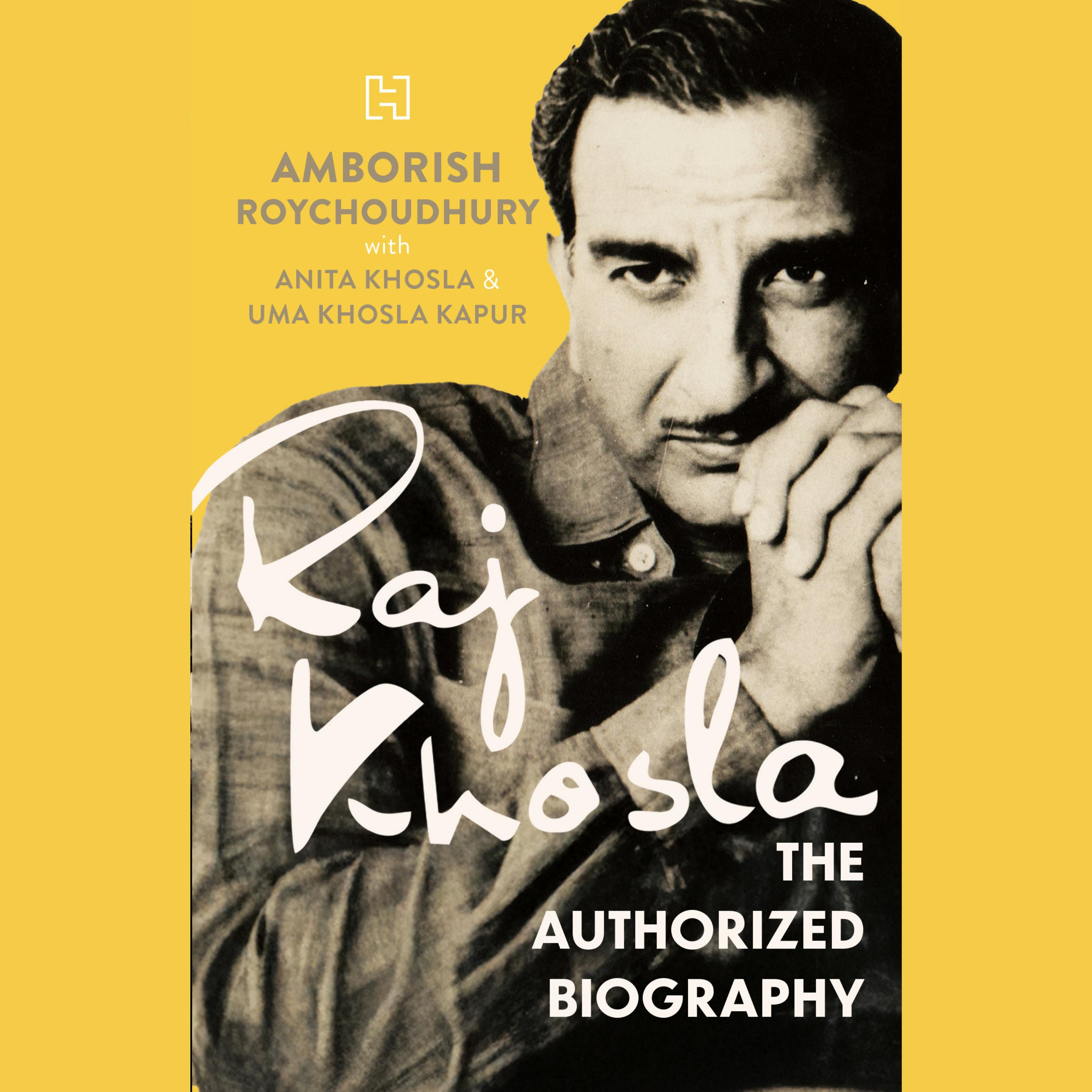
Of unforgettable soundtracks and an emotional core
"In Raj Khosla's films, songs were storytelling devices. They didn't just push the narrative forward; they were also narratives by themselves. They had a beginning, a middle and an end, and the way they were shot, the way relationships were portrayed, and the way situations were brought in... It is an art that Guru Dutt taught Raj Khosla and which he then brought out in a way that really connected

Greed, greenwashing, and the perils of convenience
"All materials come with an environmental impact but plastics are worth singling out as they have turbocharged our desire to consume and our reliance on disposability. Consumer goods companies are the ones we should be looking at. They make decisions about what we see on supermarket shelves, what we see in our homes. I hope this book makes people feel that we do have the power to change things bec
Remembering not to forget
"I'd never attempted a memoir. For me, writing something so personal and putting it out there for the world to see was difficult because I was reliving those days. But that's when I realised, I don't want to forget those days. A lot of people want to move past grief. You want things to be normal. But there is no normal after this. This is the new normal and I have to learn to live with it. My husb
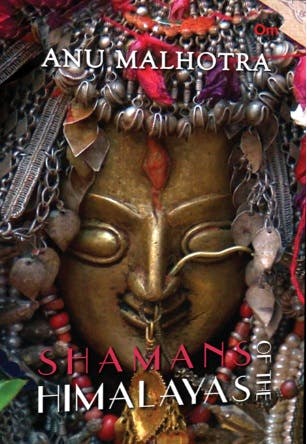
Of trances, theta states, and shamans
"Every part of India has shamans; you could say its part of folk culture. They call Himachal Dev Bhoomi because every village is home to several deities. Every village also has its main deity and a shaman, who is the medium of that deity. He can communicate with that deity when he goes into a divine possession trance that is ritually invoked. The villagers communicate with their devis and devtas f
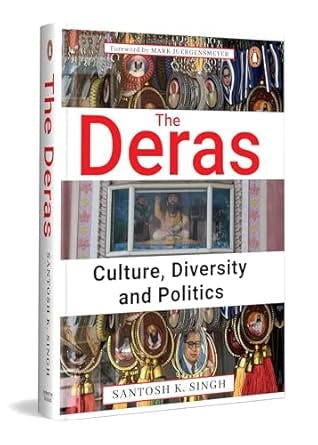
Of spiritual churning and identity umbrellas
"Any place where a guru goes and spends time becomes a dera; it gets a sacred connotation. Deras are reflective of our larger tradition of argumentation, philosophy and contestation. In India, there is nothing singular about our world; everything is very plural. So, any sort of broad brushing or monolithic thinking about deras is unhelpful. All deras are not Dalit. But I was surprised to see Gail

Company Painting: A transformative moment in Indian art
"To earlier academics, it seemed like Company Painting was not really to be taken seriously. The Modernists didn't look at it because it's too early and the Court Painting specialists didn't look at it because it was too late. It just sort of fell in the gap. Perhaps people were less inclined to rescue it from that gap because they had difficulty in coming to terms with its hybrid colonial status.

Sojourn in South Korea: In the land of the morning calm
"South Korea is strategizing its soft power through K-Drama, K-Beauty, K-Pop and now K-Cuisine. There was a conscious strategy from the government of the country and the private sector. So the craze for Korea that we see today is no accident."
Vasudev Tumbe and Sudha Huzurbazar Tumbe, authors, 'Seoulmates; Korea Through Indian Eyes', talk to Manjula Narayan about their six-year stay in South Korea
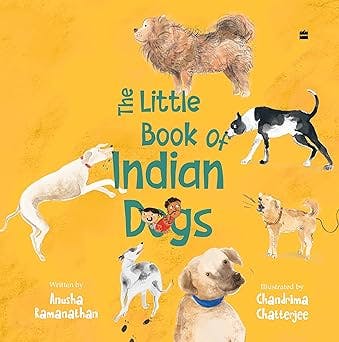
Of Bakharwals, Jonangis and more
"How to keep kids engaged through the book is the most important job of the illustrator. Every page was approached through that angle. That's why I've included as many dynamic poses of dogs as possible — running, jumping out of the page almost!" says Chandrima Chatterjee, illustrator, 'The Little Book of Indian Dogs'.
"I've always been aware of Indian dog breeds but I wanted to introduce my daugh
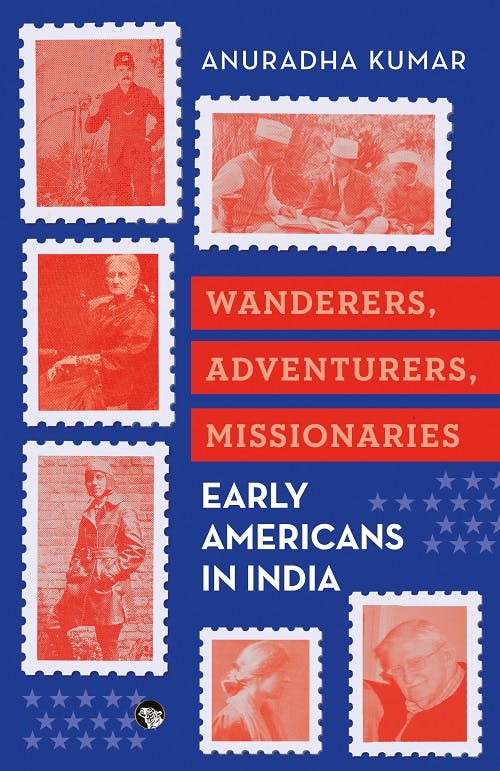
Intrepid Americans in India
"I thought it would be interesting to write about early Americans in India because, at that time, there were no border controls, no surveillance, no way of monitoring people who crossed borders. The Americans were not conscious state actors unlike the British, French, Dutch or even the Danes, who were all supported by their respective governments. I was interested in these brave individuals from a

Delhi underbelly
"The system of policing in India has so many constraints that unless the person has a special kind of inner motivation to pursue something, it's going to be very hard to get results. Inspector Prashant Kumar has that. He is an amalgamation of a real person and some fictional tropes. I've had the desire to write crime fiction for a very long time and as a journalist, I got to hang out with a lot of

Barking up the right tree
"I've shot almost 10,000 pictures of dogs across the world over the last four years. But the pictures in this book were all shot on the beaches of Goa in the monsoon. I began shooting them during the pandemic. A deep grey sky is like a photographer's ideal studio. The atmosphere and the subdued palette came because of the season. The whole intent of this book was to create awareness about dogs in
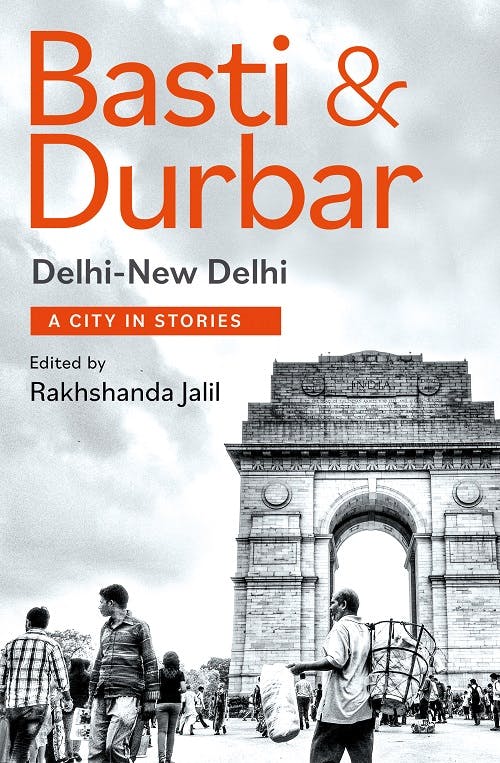
Delhi; tales of a city with multiple pasts
There are stories in every nook and cranny of Delhi and rightly so because this is the 11th or 12th city built one on top of the other; sometimes cannibalizing one city to make the other. So, there are stories of the city's multiple pasts and of the people who have lived here. Heterogenous in every sense of the word, it is a melting pot. So many places in the city have witnessed history in the mak

A sampling of some of the best Indian short fiction
The span of the book is so wide that we had to leave out some great people. The book gives you a sampling of some of the best writing. My favourite is the first story, Rebati by Fakir Mohan Senapati, translated by KK Mohapatra. In the stories written in English, Ruskin Bond's The Prospect of Flowers is so poignant. It has been difficult to get good translations from languages like Nepali, Dogri, B
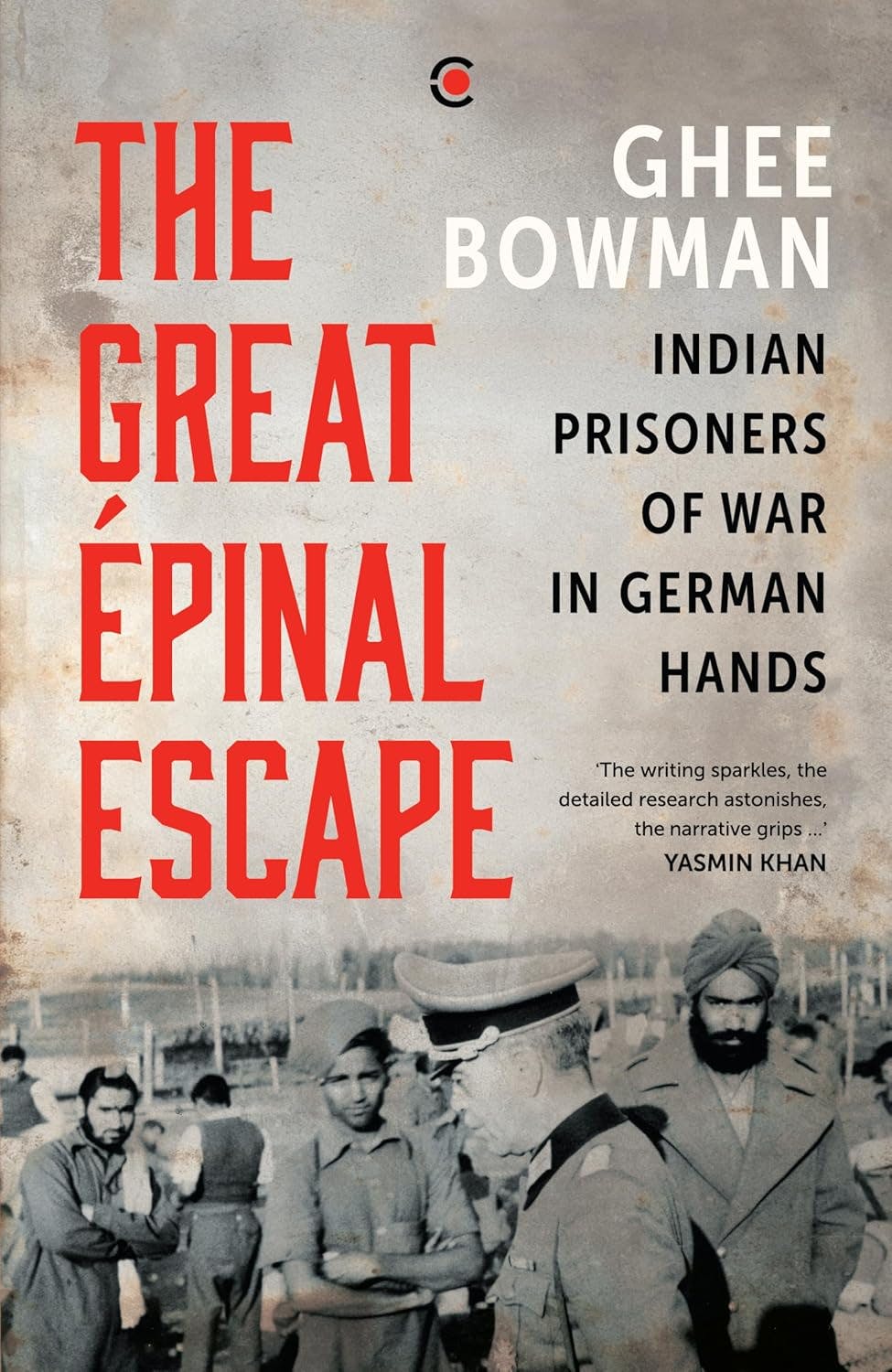
The incredible story of the most successful escape of WW2
"When you look at history across the world and across centuries, there are some things that are well remembered and there are many things that are forgotten. In some way, it's interesting to ask, 'What is remembered and why?' and then maybe take that further and ask, 'by whom?' It's really interesting for me as a historian to ask why is it that this particular event, this particular escape and the

Exploring the multiple layers of truth
In terms of photography, this is not a book about Banaras or the Himalayas or very specific things; a name-place-animal-thing kind of book. In terms of narrative, of visuals that follow the structure of a novel or something in that space, we are yet to broaden our reach and scope, especially in India" - Ritesh Uttamchandani, author, 'Where Are You', talks to Manjula Narayan about his photobook of
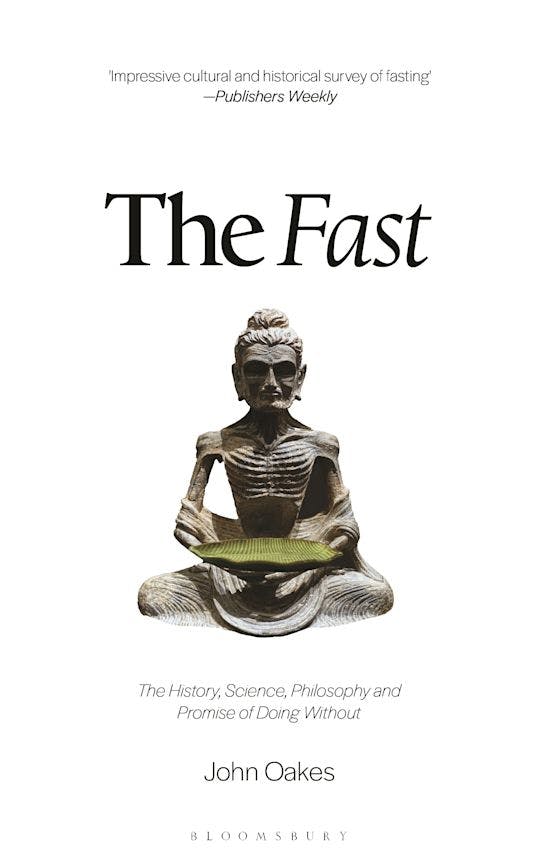
The power of absence to shape the world
"You find fasting in every culture, across the millennia. We carry within us the ability to hold back. Christianity, Islam, Hinduism, Buddhism, Jainism and Judeaism vary in specifics about fasting but the idea is the same. You step back from something that you normally enjoy - it doesn't have to be a luxury - and then you hold off partaking of it. That holding back is, for me, at the heart of fast
Breaking up is hard to do
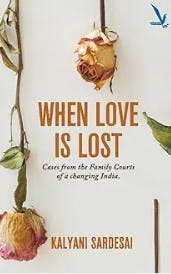
"On the one hand we are proud of the fact that India has one of the lowest rates of divorce, globally. It's about 1.1 percent annually. However, UN reports indicate that the number of divorces has multiplied twofold since the advent of the millennium. Why is this happening? The answers are many and this was the premise for writing this book.
This book has taught me that education, class, financia
Breaking up is hard to do
On the one hand we are proud of the fact that India has one of the lowest rates of divorce, globally. It's about 1.1 percent annually. However, UN reports indicate that the number of divorces has multiplied twofold since the advent of the millennium. Why is this happening? The answers are many and this was the premise for writing this book.
This book has taught me that education, class, financial

The power and the glory
"Because of the wealth of inscriptions that they have left behind, it is really possible to understand the Cholas as political figures. Not only are they masters of media strategy, they are brilliantly charismatic. They are innovators capable of mobilising vaster armies than ever before . They are capable of thinking out of the box about bureaucracy, administration, diplomacy, and logistics in way

Battling alternate reality
"Savarkar was a great rationalist. The surprising thing is how such a rationalist went completely off the rails in regard to other matters. His writing is full of villains and among the villains are the Buddha, all Buddhists, whom he considered hereditary traitors, Ashoka, Akbar, Tipu Sultan, and then Gandhiji. On the question of Godse and Apte there was no doubt that they were his acolytes, they

Of flying yoginis, Trojan elephants, and kings who ghost their girlfriends
"I do believe that literature is a very important source of knowledge complementary to history, epigraphy and archaeology. It is not easy to read drama at the best of times. It is even more difficult to read Sanskrit drama because it is quite out of the ordinary! But there is a lot of timelessness in these plays, however strange they may seem with their tigers, elephants and tantriks! The human el
Tibetans: From Lhasa to Dharamsala and the wider world
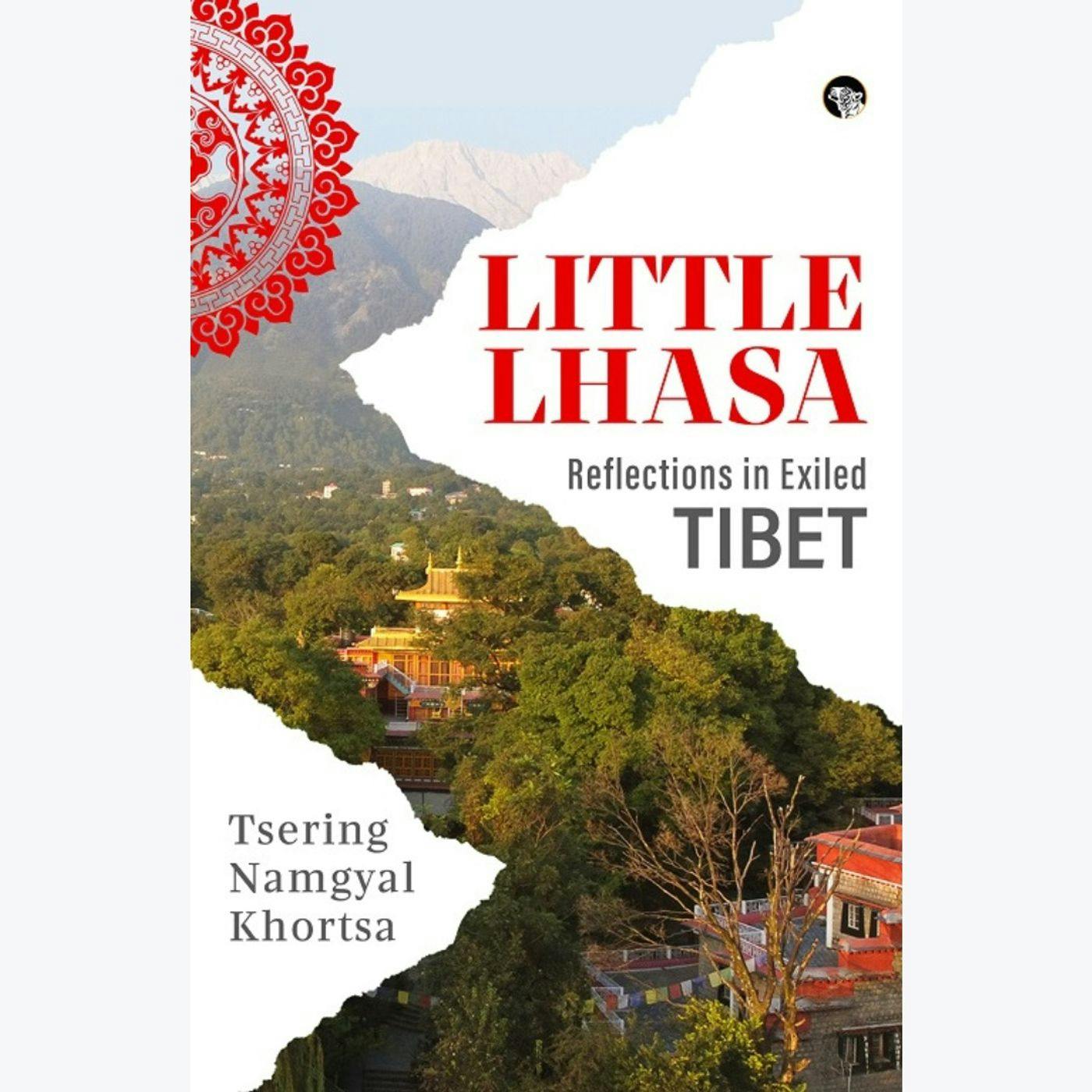
"Somehow, miraculously, Tibetans have managed to preserve their identity. They have actually transplanted the Tibet they left behind and have created a whole new little Tibet in India. This is a huge success story, which should be celebrated. Now we are in the third generation and Tibetan culture is very much alive"
- Tsering Namgyal Khortsa, author, 'Little Lhasa; Reflections in Exiled Tibet' ta

In the land of the lotus eaters
Bhang has been mentioned in the Vedas; the use of cannabis as a medicinal boon has been mentioned in a lot of Indian scriptures for thousands of years, and it has been used in Ayurveda. During the British era, the colonisers looked down upon cannabis usage among Indians. They were familiar with alcohol but not with ganja and they considered it beneath them. So, it is the recent history of cannabis

Cosy Delhi crime
"I'm a big fan of a very specific genre of crime novels, which is the Golden Age novels, the Agatha Christies and the GK Chestertons, the novels of the 1940s and '50s. I don't get to read those types of books any more, where at the heart of the book is a very classic murder mystery, a whodunnit. You're not really that concerned about realism; it's not very gritty; there's not a lot of murders that

Cuba: Will the revolution endure?
After the fall of the Soviet Union, Cuba was seen as the last outpost of communism. China went a different way and is now essentially a capitalist society where the communist party is in power. In Kerala, Cuba was seen by those people who were ideologically committed to communism as something sacred. That kind of ideological affinity might have come down but there is still an attraction to Cuba as

Indian ink
A lot of our ancestors had tattoos and that's quite surprising. People don't really know what the tattoos on their grandparents mean. A number of archivists have come up in India in the last 10 years who have felt the need to document this, question their grandparents, and also to look into their communities' histories through the tattoos that they no longer have. Here is a tradition that we have

Identity, consumerism and the Indian middle class
The Indian middle class comprises many groups and they are not able to come together. For any group to become powerful, they have to be united. But the interests of each of these groups within the Indian middle class - upper caste Hindus, Dalits, Muslims, OBCs - clash with each other. Today, caste and religious identity is more important to the individual than national identity. Perhaps this is be

The man who thought with his eyes
"I've done three books and a documentary on Guru Dutt and he is always viewed as someone rather morose and internal and a sad man. And yet, there were moments of great joy. You see it in his films. Why did he always include Johnny Walker? Because he had a sense of humour and a sense of fun and his films like Mr and Mrs 55 and Aar Paar are really wonderfully funny. This diary was to emphasize the l

A taste of heaven on the street
"The taste and quality of the ingredients that some street vendors use can rival that of Michelin star restaurants. And that they make it all available at this price point is just shocking. Street vendors also have no qualms about feeding the food that they make to their own families. They don't store their food or refrigerate and reuse, all ingredients are fresh every day, there are no secrets, i

Recipes from Jahangir and Nur Jahan's kitchen
"While I was translating this manuscript from Persian I realised that the food mentioned is very different from what's sold now as Mughal food. They had four masalas only. We have now laced the mutton, chicken and fish with spices so that the real taste has disappeared. In those days, you could taste the meat. The food eaten by Jahangir and Nur Jahan was very different and I wanted people to know

Speaking in many tongues
"Those who don't have a university or a high school for their languages are the ones who don't have economic resources. The poorest among the poor are linguistically deprived and also economically deprived. People say, 'What is the harm if many languages go and only some remain?' These are questions raised out of ignorance. Every language is a unique world view. The way every language defines spac

Terrorists, tawaifs and secret superstars
"In the 1970s, Muslim characters in films were very different. In the 1990s, Roja opened the floodgates for films representing Muslims as terrorists. It was the first film which looked at the identity of the enemy. Then, especially after the attacks of 9/11, there was a big change in the representation of Muslims in Hindi films. As for women, in many films, Muslim women are reduced to being victim
Theyyam: Parapsychology, Paradox and Folk Belief
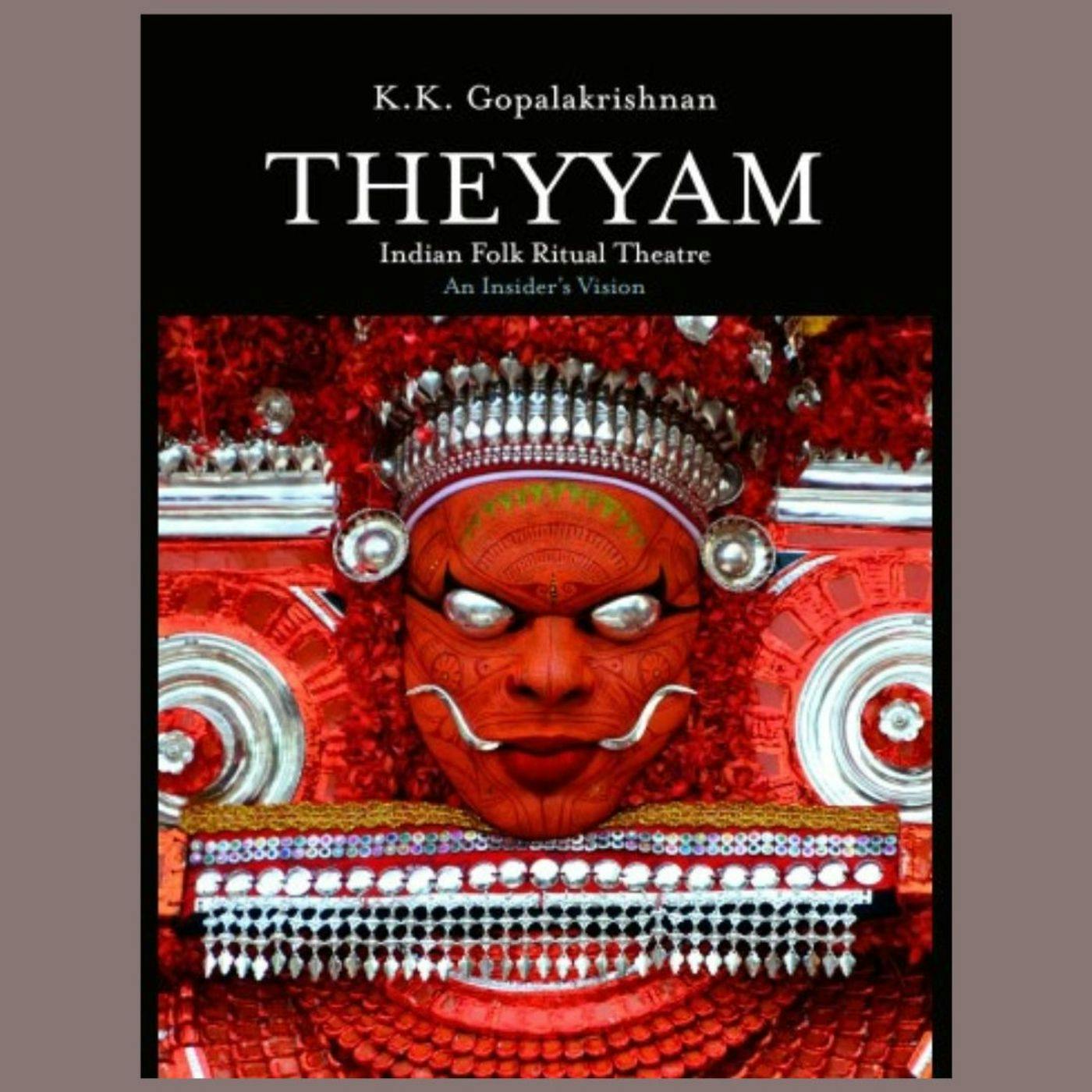
"The parapsychological element is very strong in Theyyam, which is an example of Indian shamanism. When you worship a Theyyam, you don't need an intermediary, a priest, like you do in a temple; here you can go into a direct dialogue with the Theyyam. 90 percent of the Theyyams are mother goddesses performed by men. And though a Theyyam performance is highly caste oriented, it can only be a success

An extraordinary intellect
"She was my grandmother so I could have wanted to create a portrait of a person who was very fantastic and - she was fantastic and wonderful - but I didn't want to do anything that wasn't factual that tried to whitewash anything she did - there ware controversial things about her and her academic life and how she went about things. I knew this from my own mother 's view of her. One of the reasons

Video Ga Ga: Excavating a forgotten cultural moment
"In the West and in privileged pockets of India that have access to technology, we think technology is linear — first film, then TV, then video... But actually in India and in most of the countries that form the global majority, obsolescence structures this. It is not like there is a linear progression of technology for everyone. A lot of people have access to tech which might not be current or ne

The Less Remembered Bits of Modern India’s Origin Story
"British India was what had been annexed before 1857. The rest of it was princely India, which formed 45 percent of the subcontinent, almost half. At school, we learn about what happened in British India but most of us don't know about what happened in the part ruled by rajas and nawabs even though it formed such a big part of the independence movement and transfer of power and so on. It's a key e
Fan Favourite | Medieval Dynasties of Southern India
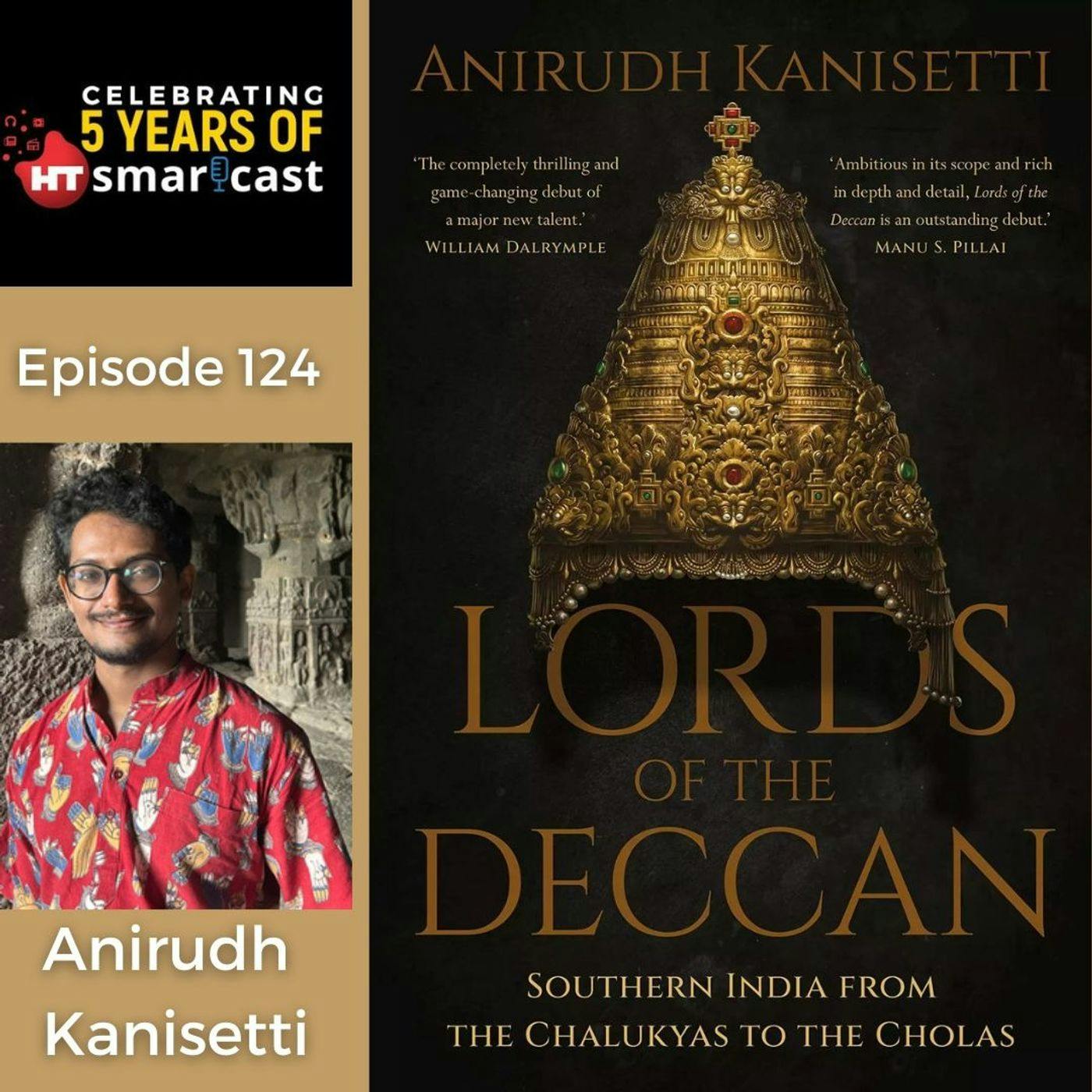
As HT Smartcast completes 5 amazing years, we are re-releasing the most loved episode from this podcast. "People who are powerful and wealthy are always complex and layered characters," says Anirudh Kanisetti, author, Lords of the Deccan, in this Books & Authors' episode with Manjula Narayan, about the ambitious, adventurous, charismatic and bloodthirsty medieval dynasties of southern India from t
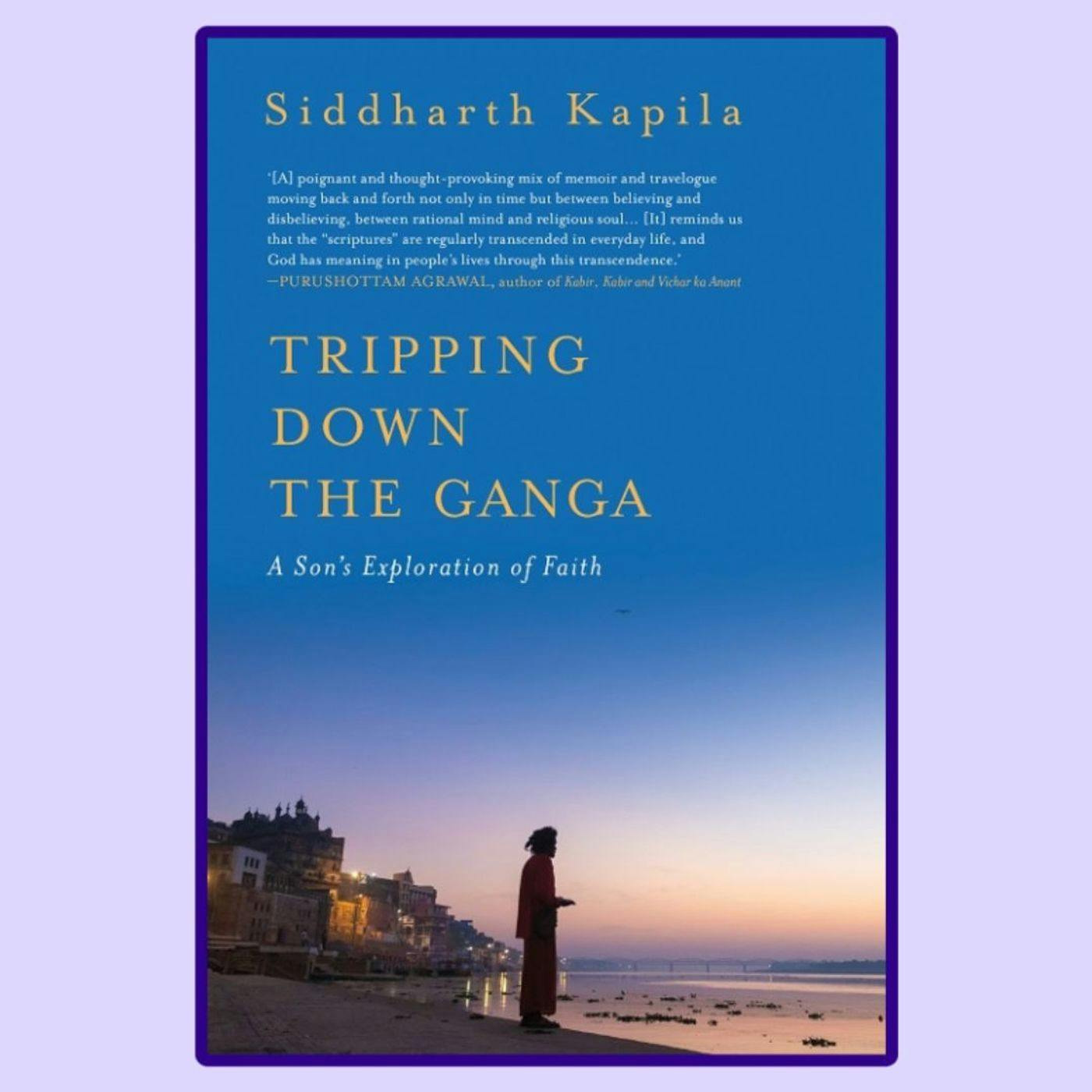
Of belief and belonging
"If you think about it deeply, everybody makes their own faith. No matter what faith they are from, everyone finds their own journey, their own truth, and they may mix and match things from different elements of different faiths and see what is true to them. Hinduism and Buddhism tend to be away from any springboard of certitude. They are more amorphous; you can make God whatever you want.
A lot

Inspirational flashback to the golden era of Hindi cinema
"I don't think Dev Sahab and Goldie ever pretended they were making art but the artistry was inherent in what they were doing. 'Guide' (1965) is the daddy of all films. In it, Dev Anand's character just wanted to escape his past; he is not in search of the meaning of life. The meaning of life is thrust upon him. He's really the unwilling messiah. Goldie Sahab told me the story is a different beast
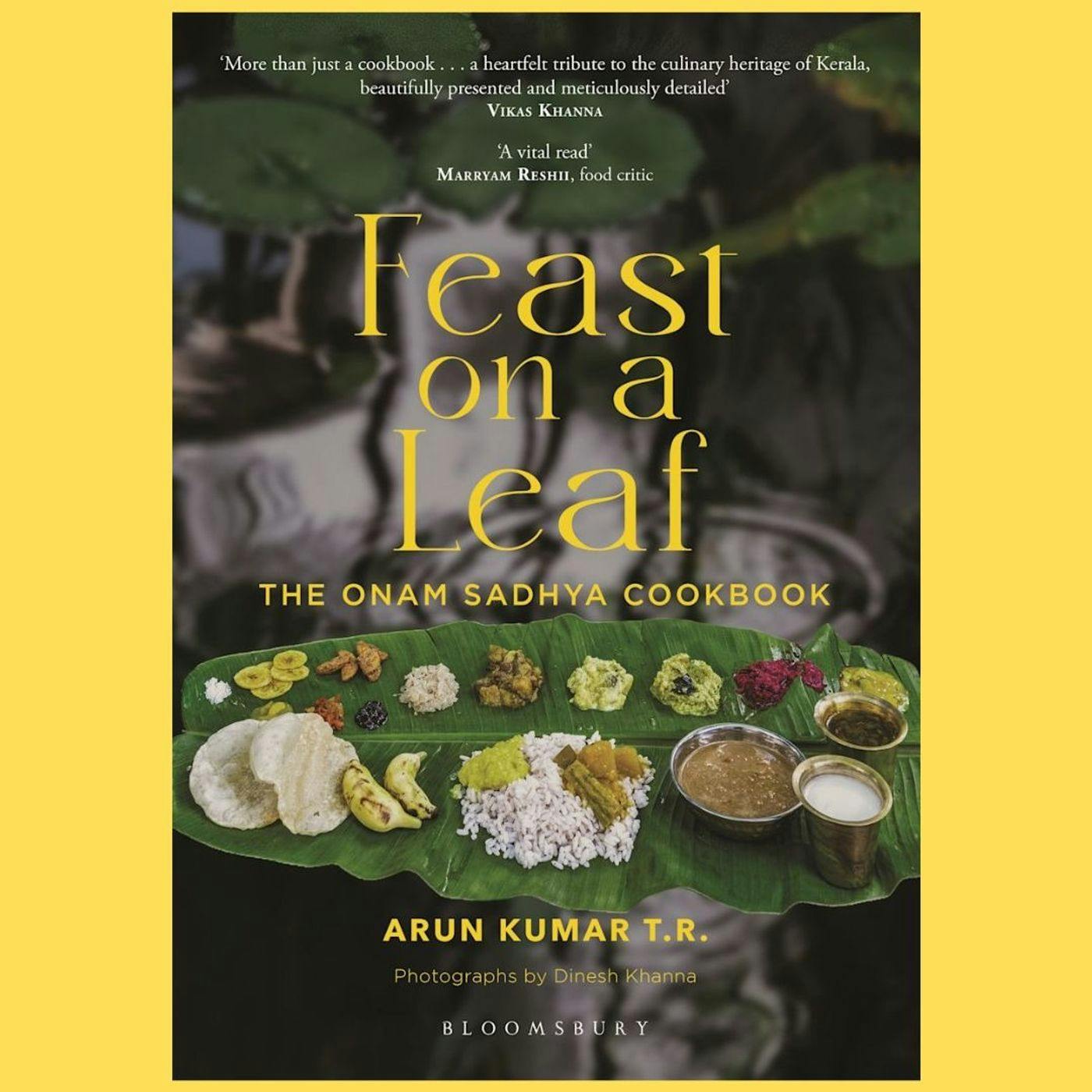
All about the sumptuous Onam sadhya
"It struck me when I was doing the book that people preparing an Onam sadhya were putting together 25-30 dishes that were all gluten free and mostly vegan too. In fact, a sadhya can be fully vegan. The payasam can use almond or oats milk instead of regular cow's milk. Coconut yogurt will, of course, be the best substitute as it fits the flavour profile of the food. Ghee is perhaps the only thing t
Recommended

SELF LOVE with Megha Bhatia

The Ayurvedic Podcast

Dil ki Baat with Rituu Verma

The Lens: मुकेश शर्मा के साथ

User Manual Of Life - Lessons From Mahabharatham (Telugu)
The King's Temple
Communicate101: Speaking Writing Tips!

The Balaji Storytime ( தமிழ்)

Agile Malayali Malayalam Podcast

Clinical neurology with KD
The Dhanya Varma Podcast - Malayalam Interviews

Make India Competitive Again
