
The Sandip Roy Show
Veteran journalist and novelist Sandip Roy hosts in-depth conversations exploring what makes people tick and the stories they carry. In a world of shouting heads, he sits down for real discussions about the fascinating world around us and the people who shape it. The show features engaging interviews released every other Sunday.
Episodes
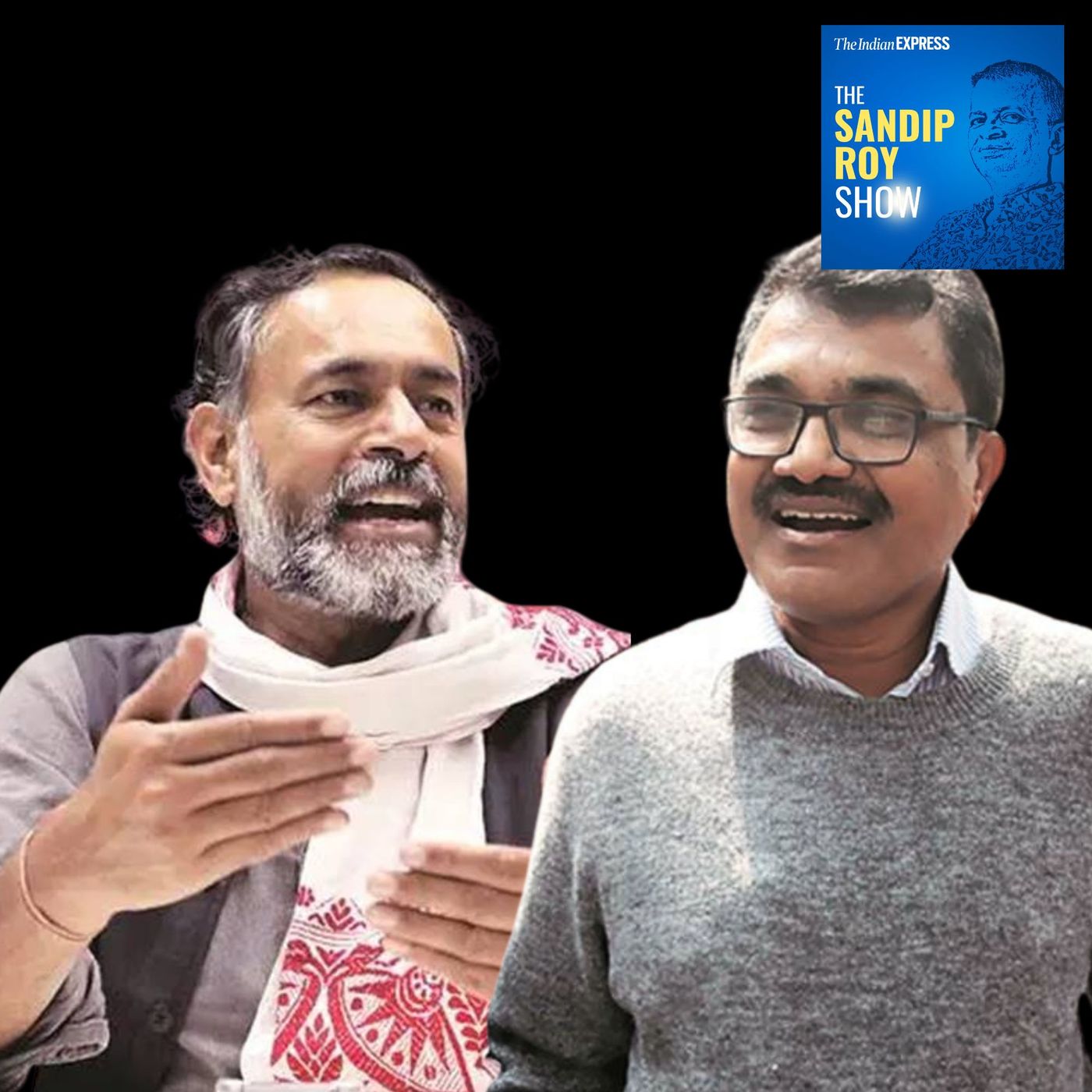
Do we really need a caste census? ft Anand Teltumbde and Yogendra Yadav
Few policy ideas in India have generated as much political heat as the caste census. From television studios to opinion pages, the argument is no longer just whether a caste census should be conducted, but what it is meant to achieve.Is the exercise simply about collecting data? Does it focus only on historically marginalised communities? And can the act of counting caste alter social identities t
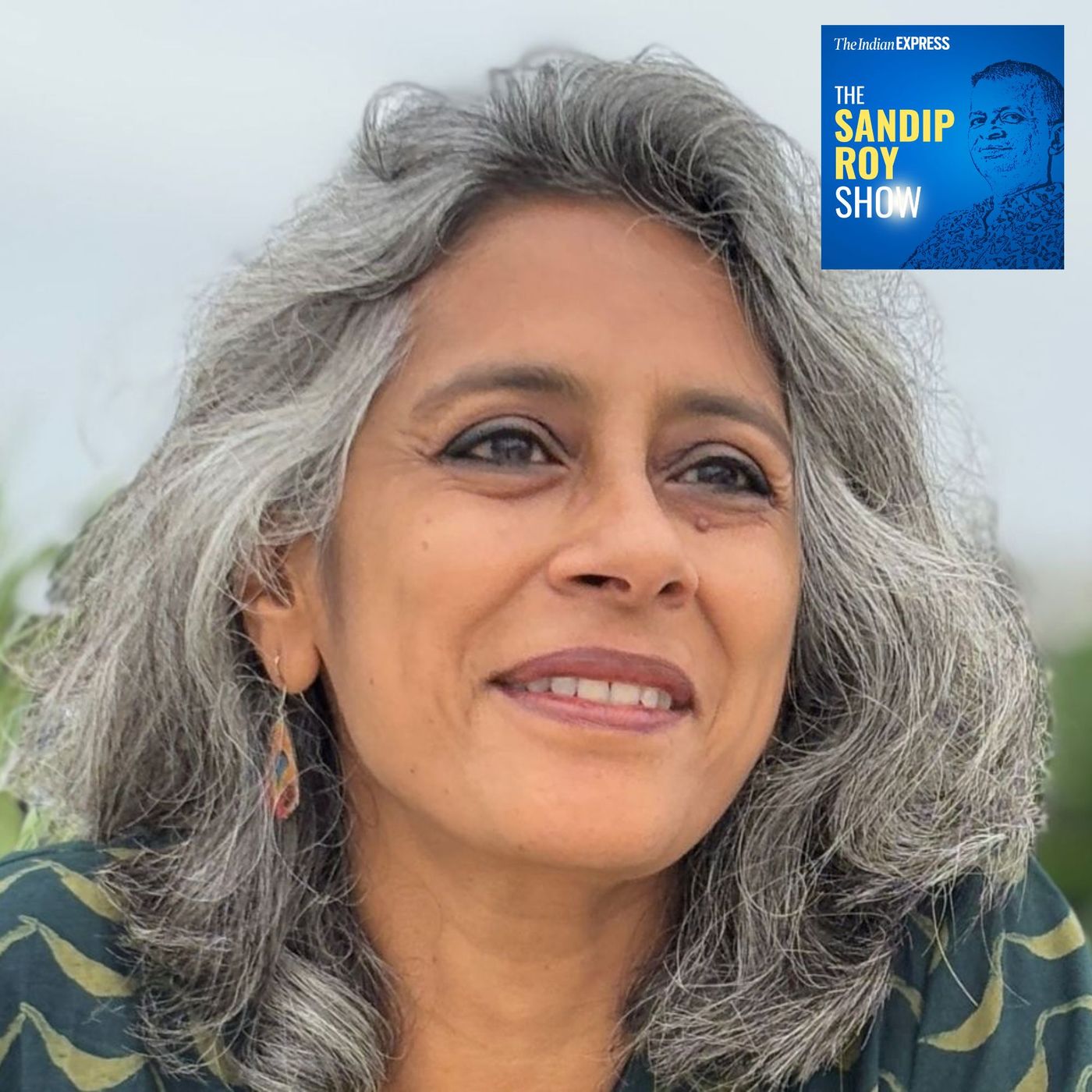
Anuradha Roy on leaving city life for the mountains
The mountains are often imagined as an escape from city life. A place to visit, slow down, and leave behind. But for writer Anuradha Roy, they are something else entirely. The hills near Ranikhet are where she and her husband chose to move, turning a neglected cottage into a home over more than two decades, shared with family, animals, and a carefully tended garden.In Called by the Hills, Roy refl

How colonialism shoved India's queer history into the closet ft Sindhu Rajasekaran
June is Pride Month around the world but does India need to march to that calendar? More Indian cities now hold Pride in winter, when it’s cooler and the streets are fuller. And that practical shift opens a bigger question, why has India so often taken its cues from the West when our own queer histories run deep?And this week host Sandip Roy is joined by writer Sindhu Rajasekaran, whose new book t
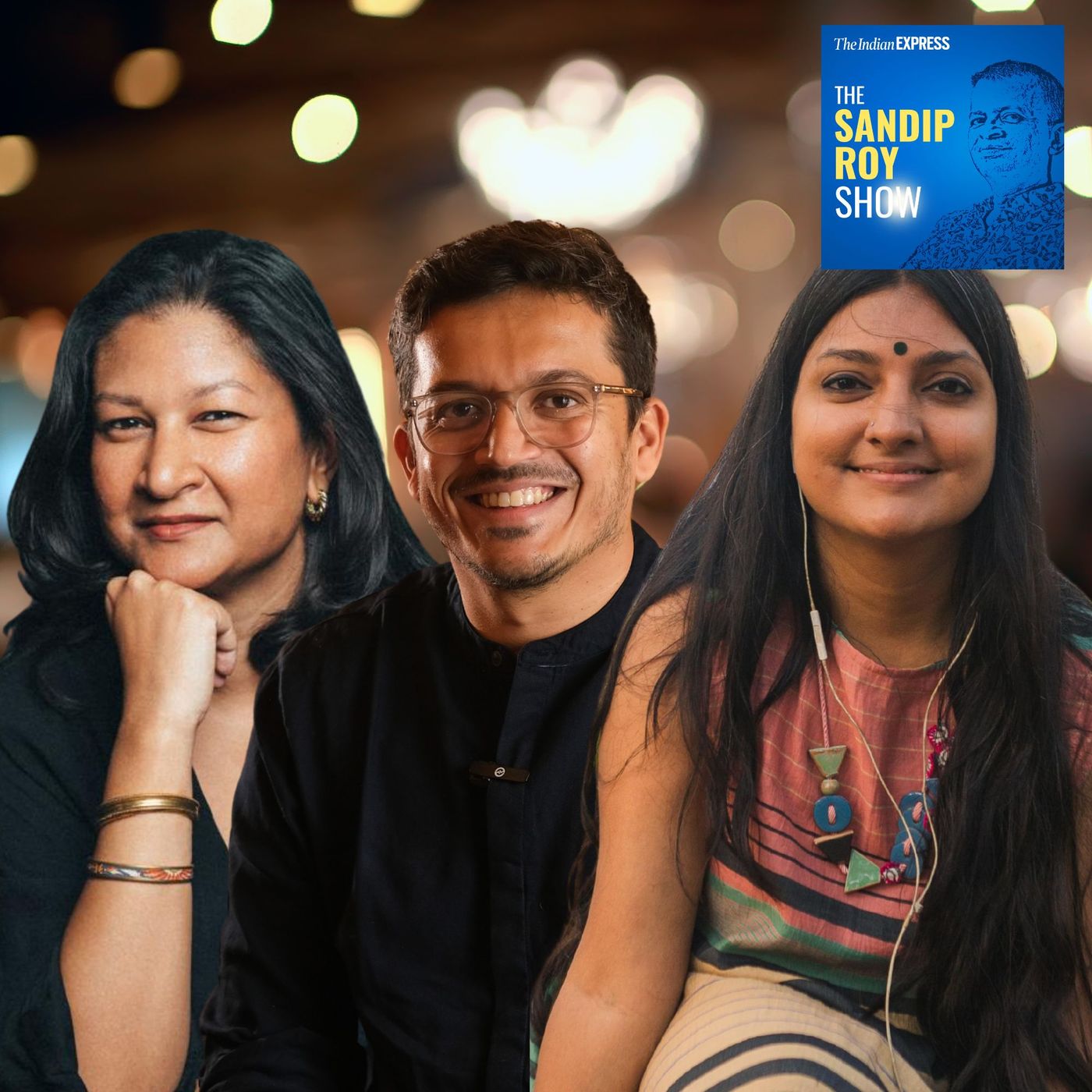
Indulge: Is fine dining in India going small? ft Gauri Devidayal, Yash Bhanage and Shuli Ghosh
Fine dining in India has shifted dramatically. What once meant dressing up for a five-star hotel is now shaped by standalone restaurants that are bolder, more experimental, and at the centre of culinary buzz. And in an unexpected twist, some of the most talked-about spots today are tiny, intimate 10 to 18 seaters, like Naar in Kasauli or Papa’s in Mumbai — where chefs are reimagining what a dinin
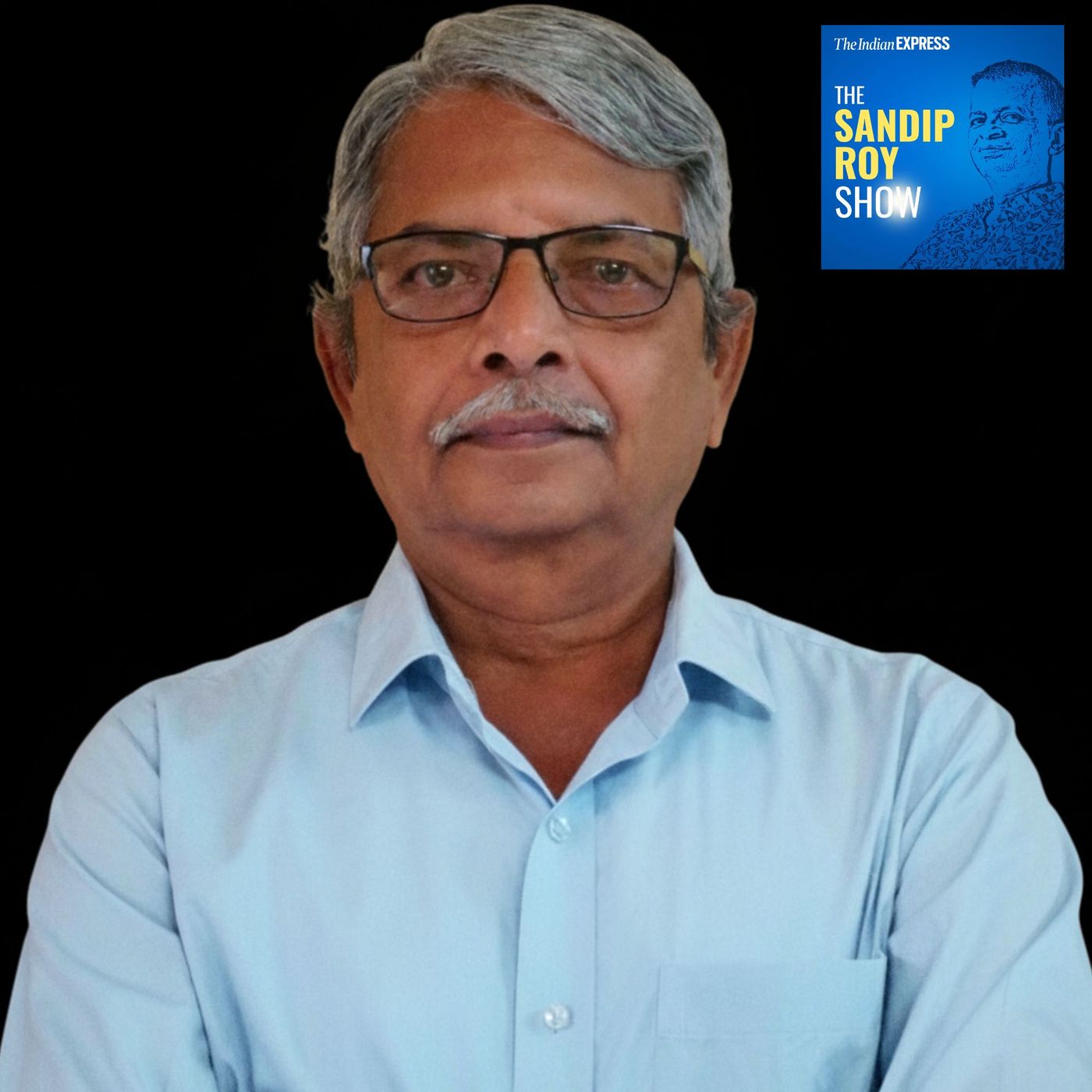
Rakshit Sonawane on the rarely told urban Dalit story
When people from upper castes talk about caste, it’s often through headlines — about atrocities or reservations — stories reduced to data, distant and impersonal. And even when caste violence is discussed, it’s usually set in faraway villages, rarely finding a place in books written in English.That’s what makes Rakshit Sonawane’s novel The Scum of the Earth stand out. Drawing from his own life as
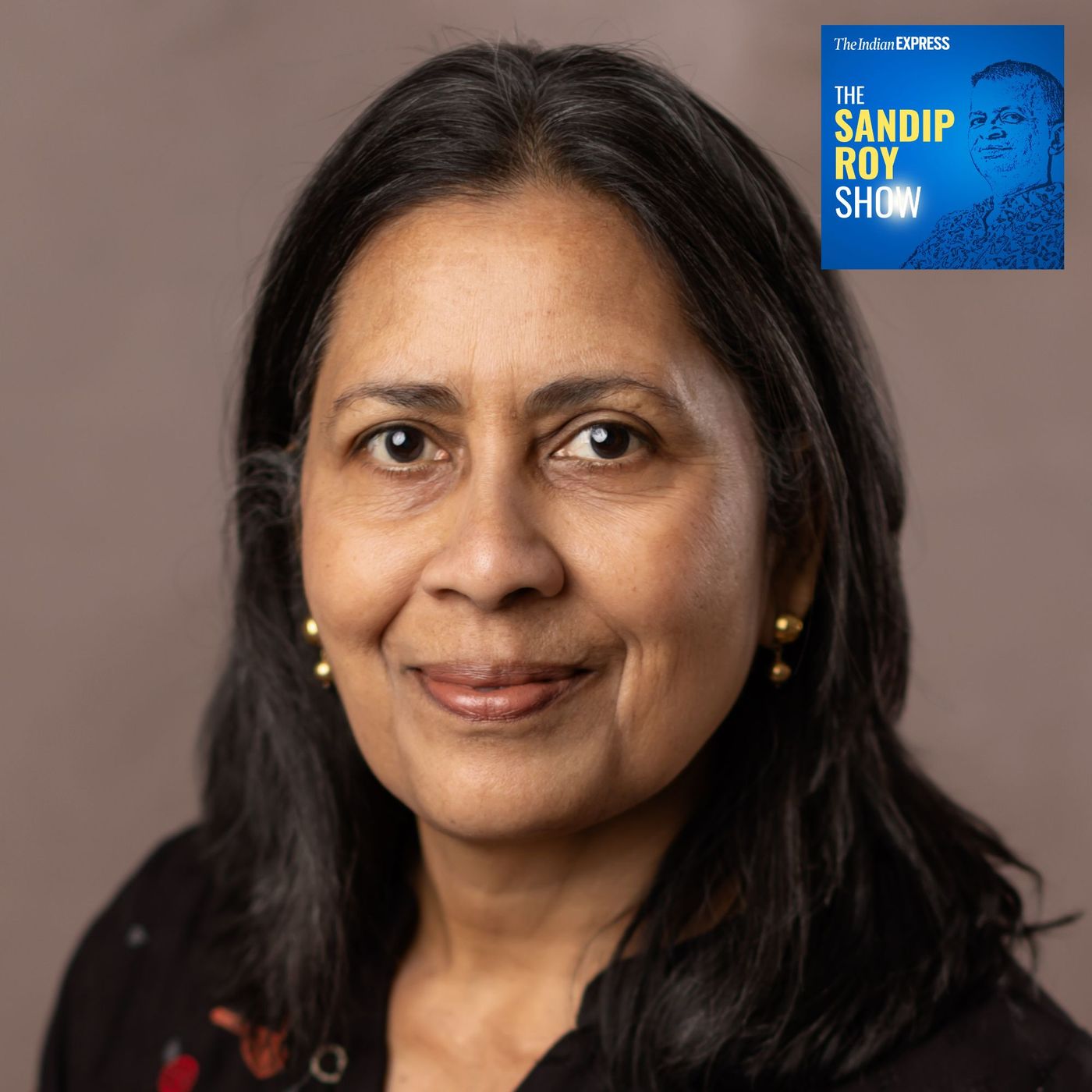
The history of rubber we would rather erase ft Vidya Rajan
Even though many of us in India immediately think of an eraser when we hear the word rubber, the material has long become an inseparable part of our lives. Yet, like many indispensable everyday items, its history is deeply tied to colonialism and slave labour.With growing concerns about whether we have enough rubber to sustain our future needs, host Sandip Roy speaks with Vidya Rajan about her boo
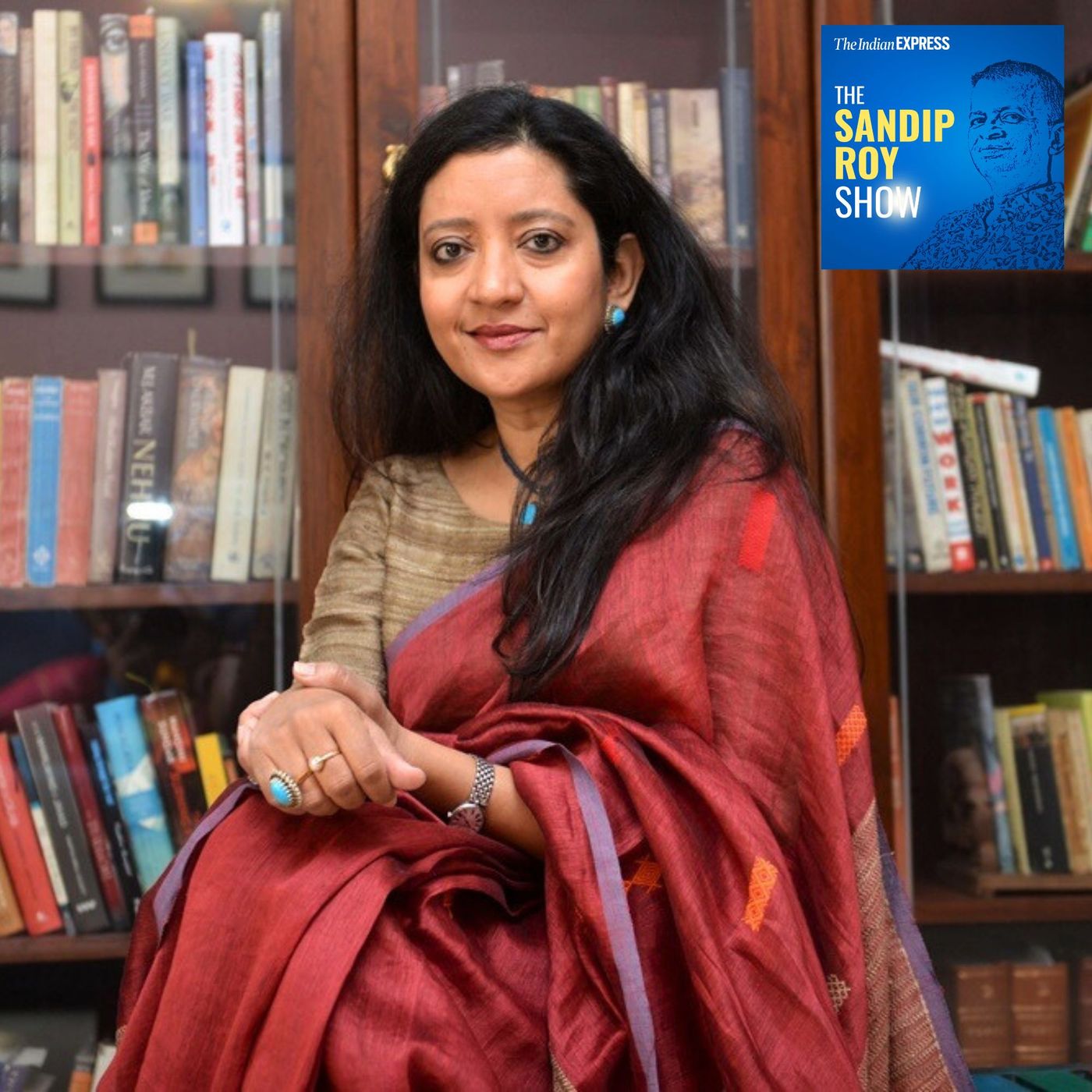
Is the Hindi heartland becoming India’s Hindu heartland? ft Ghazala Wahab
Every election season, attention turns to India’s Hindi heartland, a region central to the country’s politics and identity. It has produced most of India’s prime ministers and a large share of its parliamentarians, while also witnessing some of the most intense communal clashes and temple–mosque disputes. Yet, it also remains the cradle of the Ganga-Jamuni tehzeeb, a culture rooted in coexistence
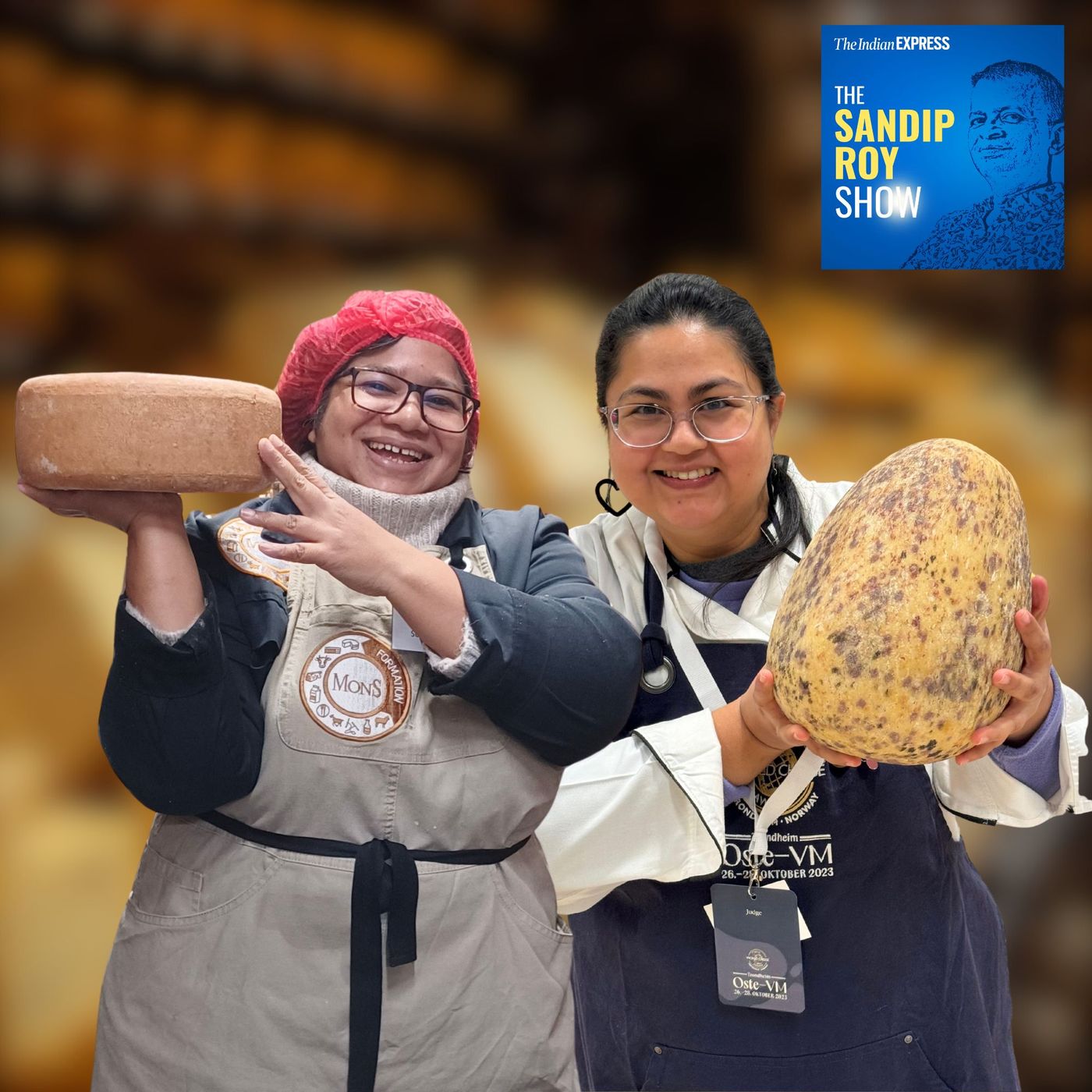
Indulge: Is India the next cheese frontier? ft Namrata Sundaresan and Mansi Jasani
When we think of cheese, names like Brie, Gouda, or Cheddar usually come to mind — but nothing much from India. Yet India, home to the world’s largest dairy herd, is now witnessing a quiet but remarkable cheese revolution. At farmer’s markets, artisanal producers are offering everything from creamy classics to inventive varieties infused with Tellicherry peppercorns or curry leaves. This week, as
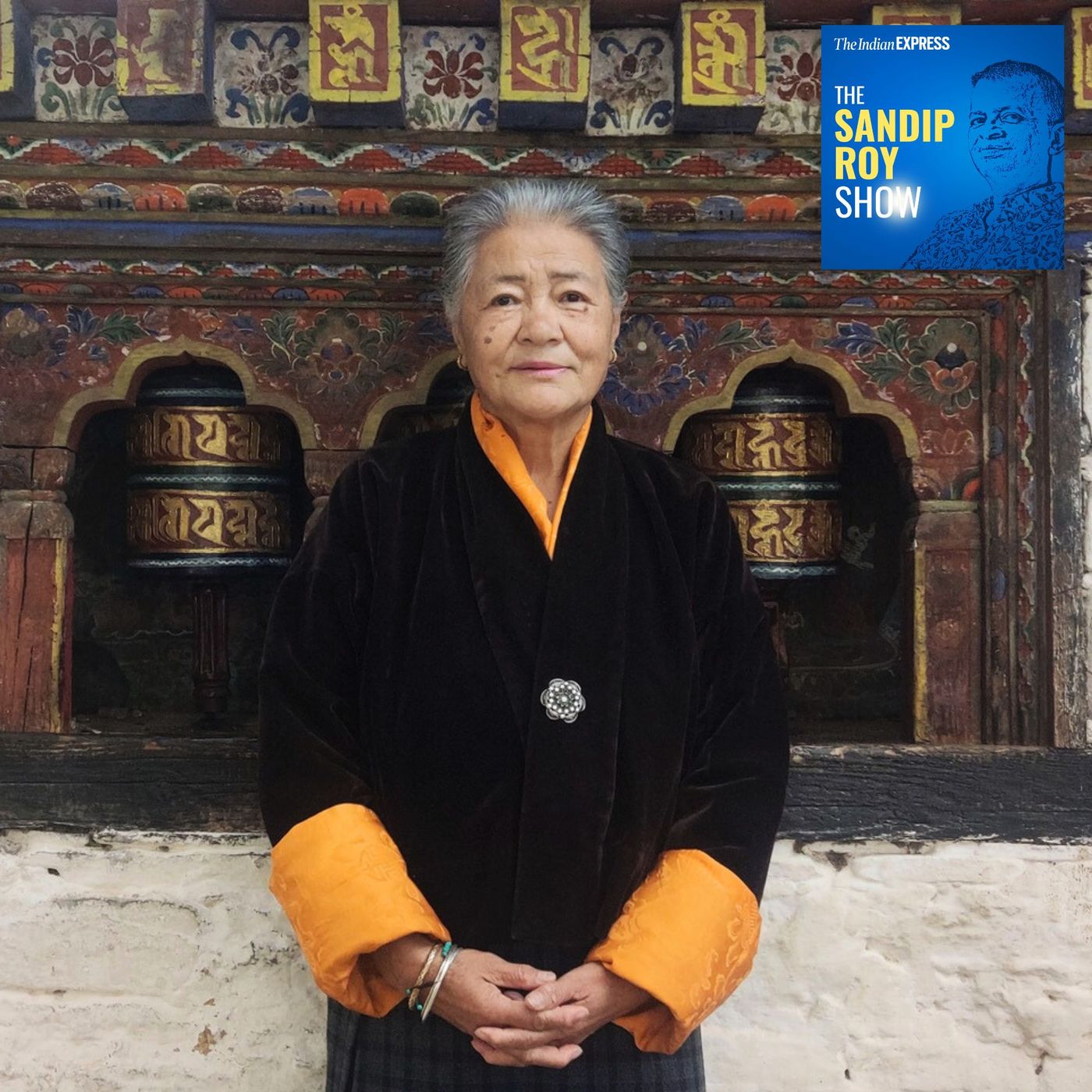
Kunzang Choden on Bhutan beyond the tourist trail
Many of us grew up with only a patchy knowledge of Bhutan. And these days, most stories about the country in India tend to focus on tourism. But what was it like to grow up in Bhutan in the 1950s and 60s? Kunzang Choden, who grew up in a landed household, explores this in her memoir, Telling Me My Stories, which paints a complex portrait of a country caught in the winds of change.This week on the
Why India needs to take sleep seriously ft Dr GC Khilnani
In this episode, host Sandip Roy discusses India’s national sleep crisis, a problem that affects all ages, from anxious teenagers to overworked professionals, with Dr. G.C. Khilnani, a renowned pulmonologist and chairman of the PSRI Institute of Pulmonary, Critical Care and Sleep Medicine, to understand why sleeplessness has become such a widespread concern.They discuss everything from sleep hygie
The underbelly of the gig economy ft Vandana Vasudevan
In recent years, online retail has transformed how we shop—bringing everything from food to taxis to our doorstep. The convenience is undeniable, but the gig economy behind it remains largely unexamined. How does this system impact those who work in it, use it, or build it? This week on the show, host Sandip Roy speaks to social science researcher Vandana Vasudevan, author of OTP Please: Online Bu
How we love the mango but know very little about it ft Sopan Joshi
Summer in India brings with it the irresistible charm of mangoes, and the predictable flood of mango themed stories. These usually blend nostalgia, tales of nawabi indulgence, exotic varieties, and the timeless Alphonso-versus-the-rest debate. But journalist Sopan Joshi, in his book Mangifera indica: A Biography of the Mango, peels back that sugary surface to explore the mango’s deeper story—its f
Lal Bahadur Shastri, India's forgotten PM ft Sanjeev Chopra
Long relegated to the footnotes of history, Lal Bahadur Shastri is often overshadowed by the towering legacies of Jawaharlal Nehru and Indira Gandhi. But what if Shastri hadn’t died suddenly after signing the Tashkent Agreement with Pakistan? Would Indira Gandhi still have become Prime Minister? And how might India’s political trajectory have changed?In this episode, host Sandip Roy speaks to Sanj
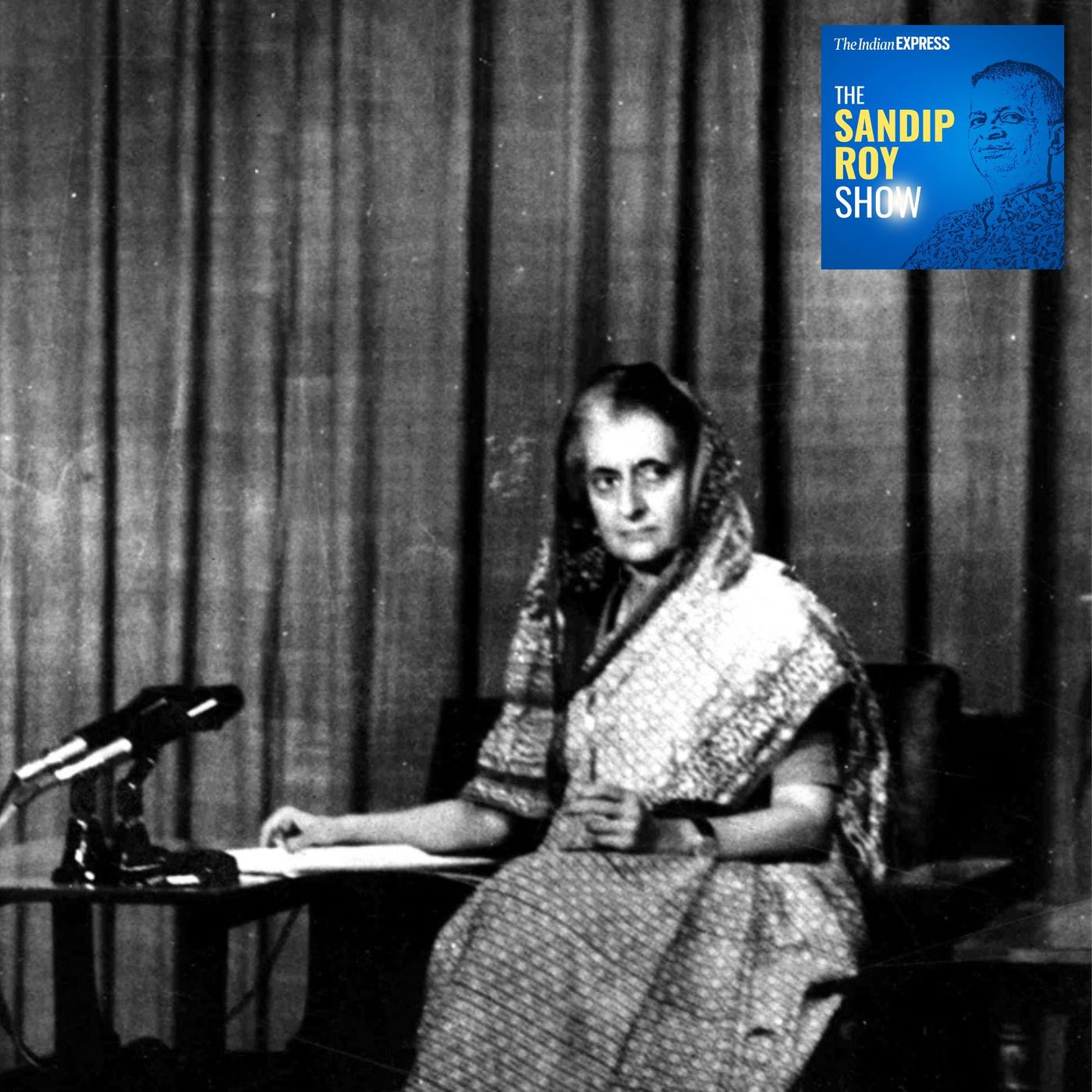
How Indians in America took on Indira Gandhi’s Emergency ft Prof Anand Kumar and Sugata Srinivasaraju
On June 25, 1975, Prime Minister Indira Gandhi declared a state of Emergency in India—an era marked by censorship, arrests, and a suspension of civil liberties. While the resistance within India is well-documented, far less is known about how Indians abroad responded. In this episode, on the 50th anniversary of the Emergency, host Sandip Roy speaks with journalist Sugata Srinivasaraju, author of T
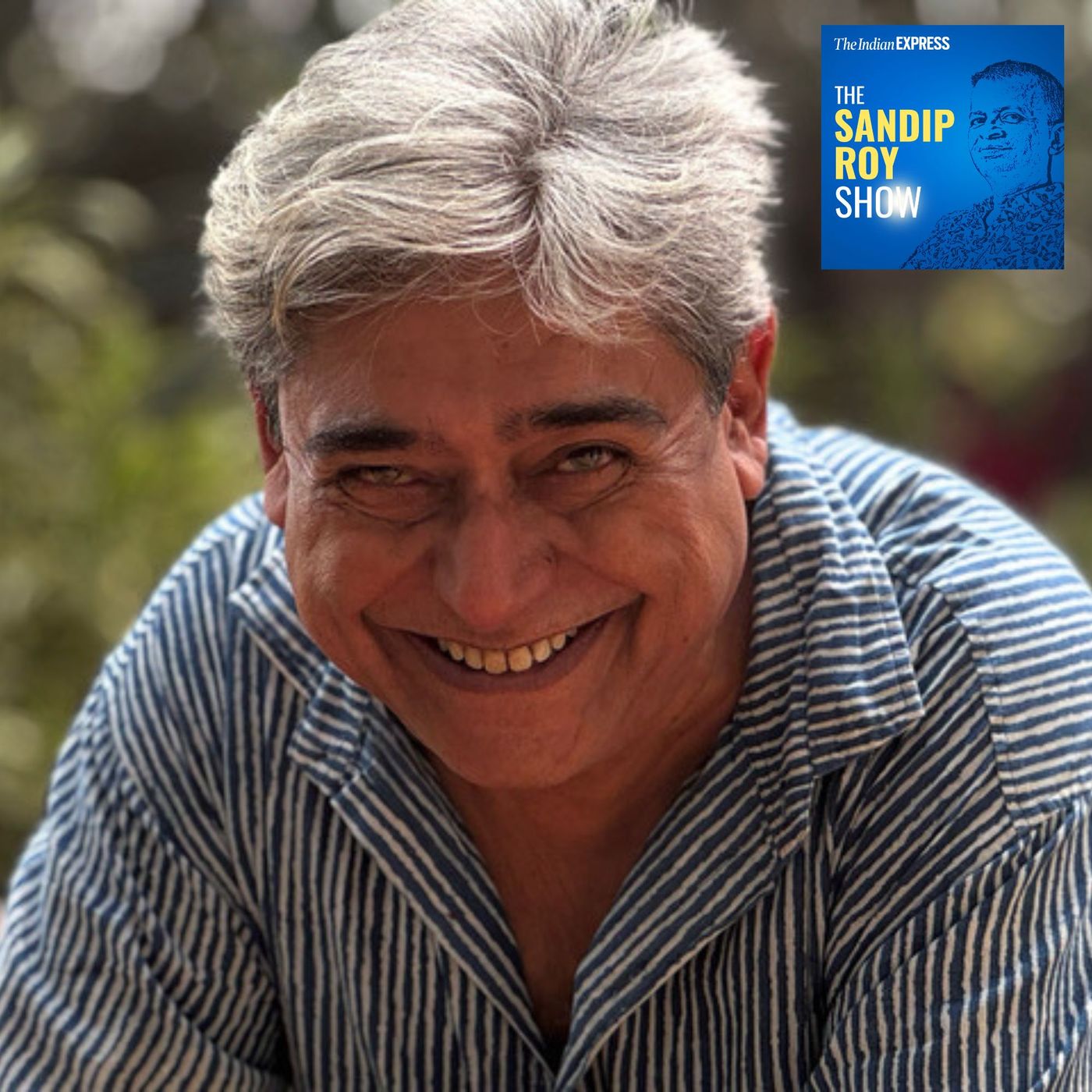
Ruchir Joshi on the Calcutta you don’t know
In this episode, host Sandip Roy Show is joined by author Ruchir Joshi who takes us back to Calcutta in the early 1940s, an era charged with political upheaval, global war, and cultural ferment. Set against the backdrop of Tagore’s death, Subhash Bose’s escape, the Quit India Movement, and the looming Bengal Famine, Joshi’s novel Great Eastern Hotel captures a city on the brink of transformation.
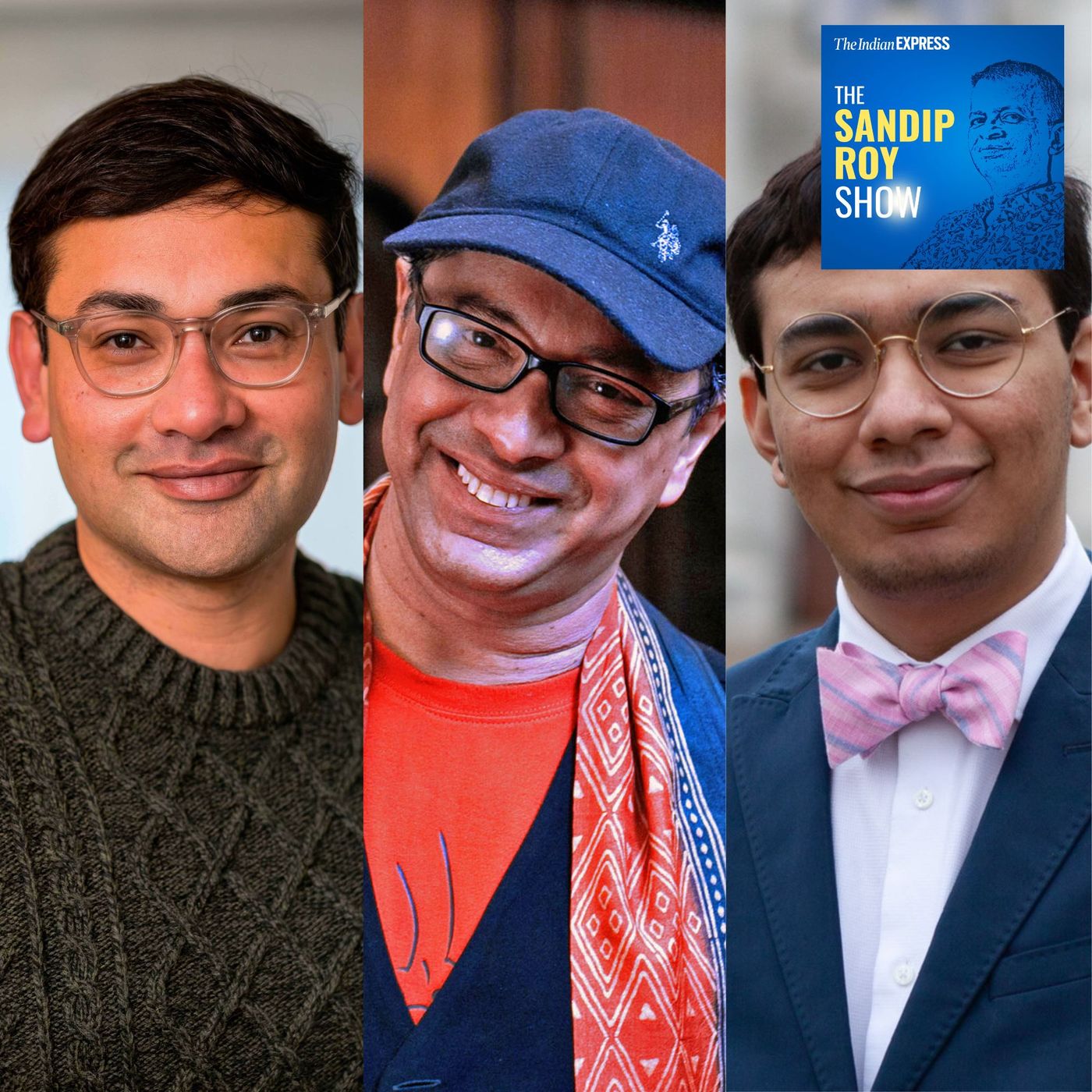
Pride Month Special: How has gayness evolved in popular culture?
To what extent has gay representation in Indian popular culture evolved? Is it now simply trendy to include gay characters, or are these portrayals also becoming deeper and more meaningful? This week, to kick off Pride Month, we explore how the portrayal of gay lives in Indian popular culture has changed over the decades. Host Sandip Roy speaks to three queer voices from different generations to u
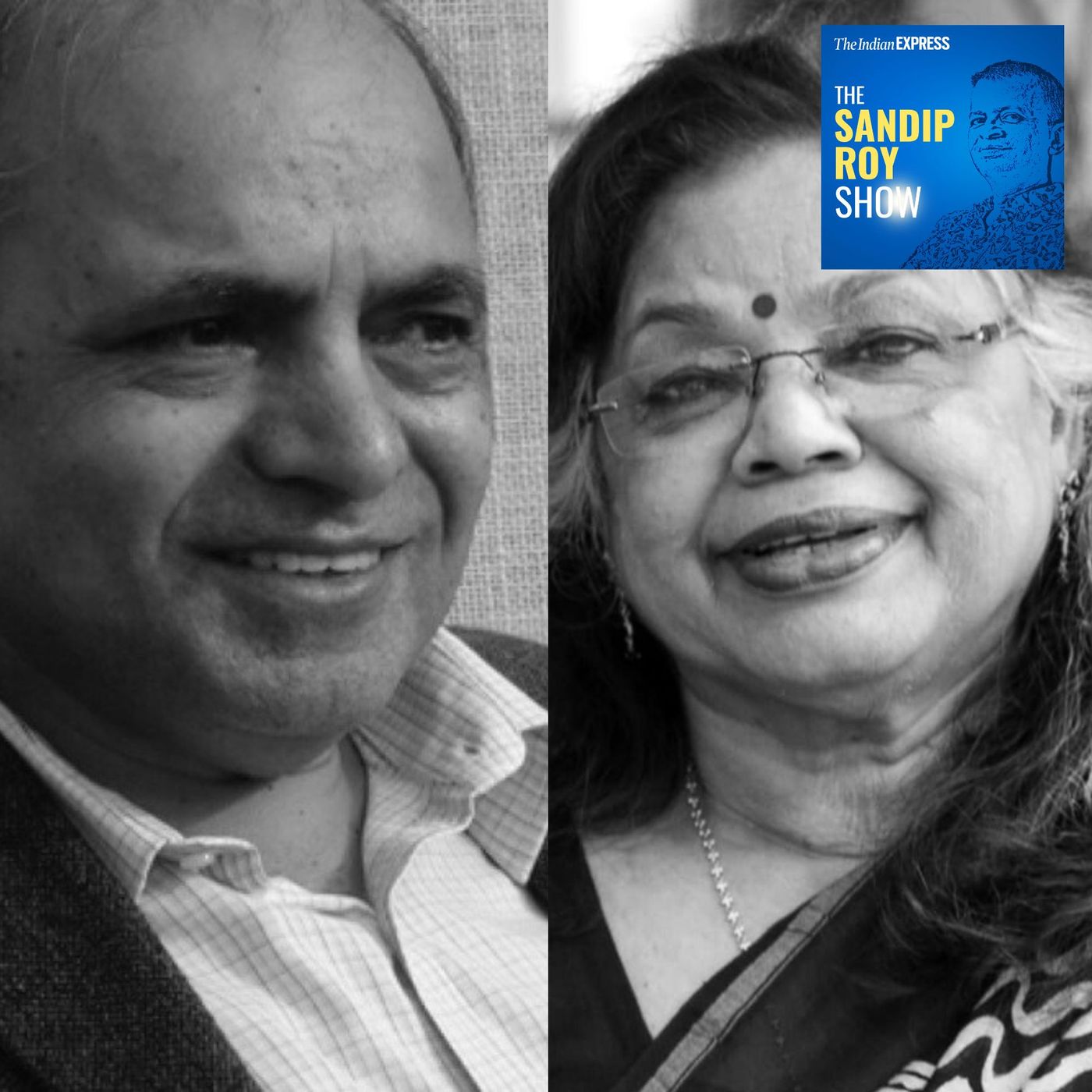
Forget Hindi or English, what about the other 777 languages? ft Ganesh Devy and Anvita Abbi
India recently saw heated debates around the three-language formula — a policy suggesting students learn a modern Indian language like Hindi, and English. While some saw it as a backdoor push for Hindi, the real picture might be far more layered.But as we argue over Hindi versus English, or regional versus national languages, a deeper concern often gets overlooked: the hundreds of other languages
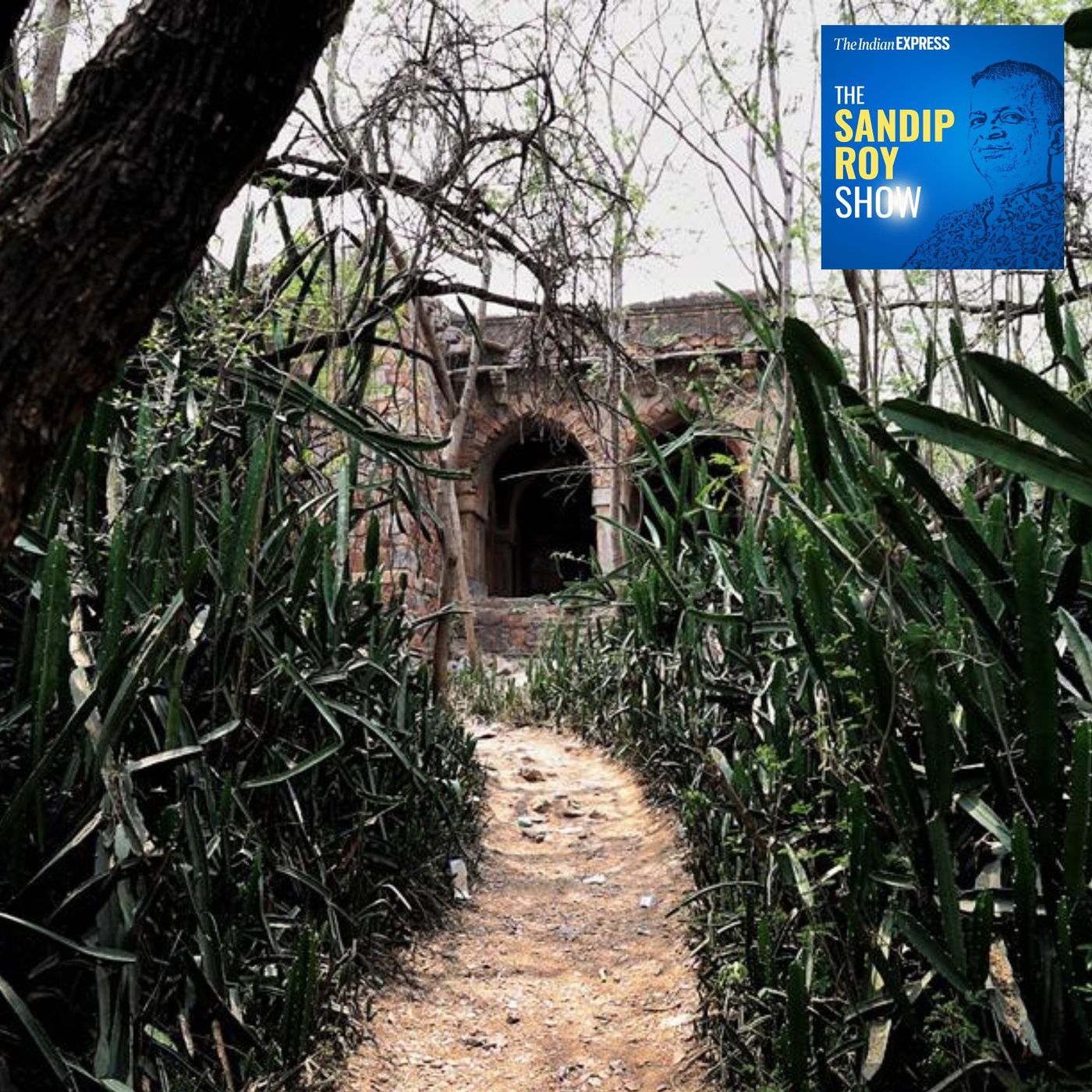
The Mystery of the Awadh 'Royals' of Delhi's Malcha Mahal ft Aletta André and Abhimanyu Kumar
In 1975, Begum Wilayat Mahal and her children, Princess Sakina and Prince Ali Raza, moved into New Delhi Railway Station, claiming to be descendants of the House of Awadh. After a decade at the station, the government granted them Malcha Mahal, a 14th century hunting lodge deep inside a forest in Delhi. But were they really royalty, or was it all a grand deception? A new book, The House of Awadh b
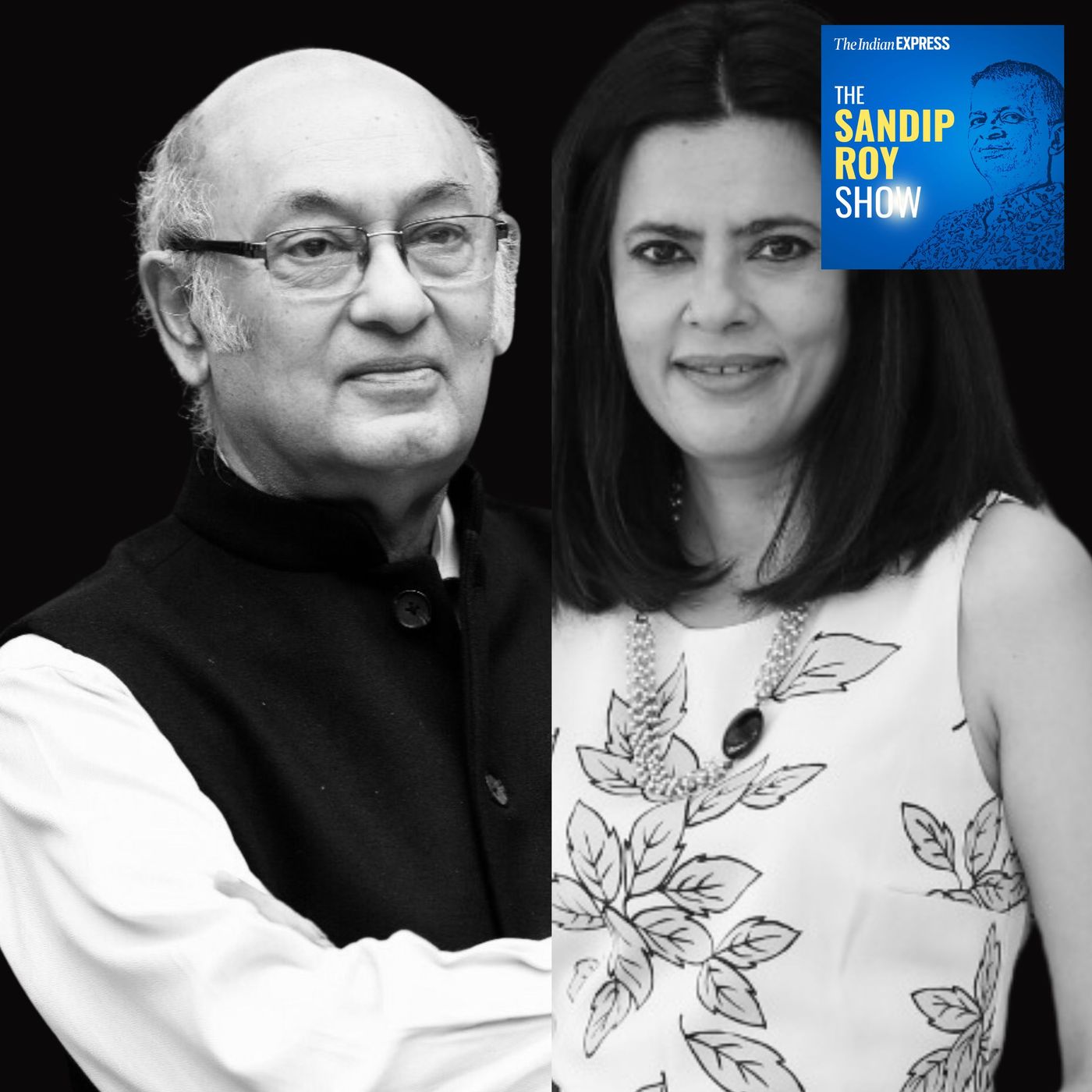
The Urdu newspaper that dared to speak truth to power ft Chander Mohan and Jyotsna Mohan
Long before press freedom indexes were even conceived, the Urdu newspaper Pratap was speaking truth to power in undivided India — and paying a heavy price for it. Launched in 1919, Pratap quickly ran afoul of the British Raj but remained defiantly independent.After independence, its legacy continued with the launch of Vir Pratap, its Hindi successor. But how fearless did these publications remain
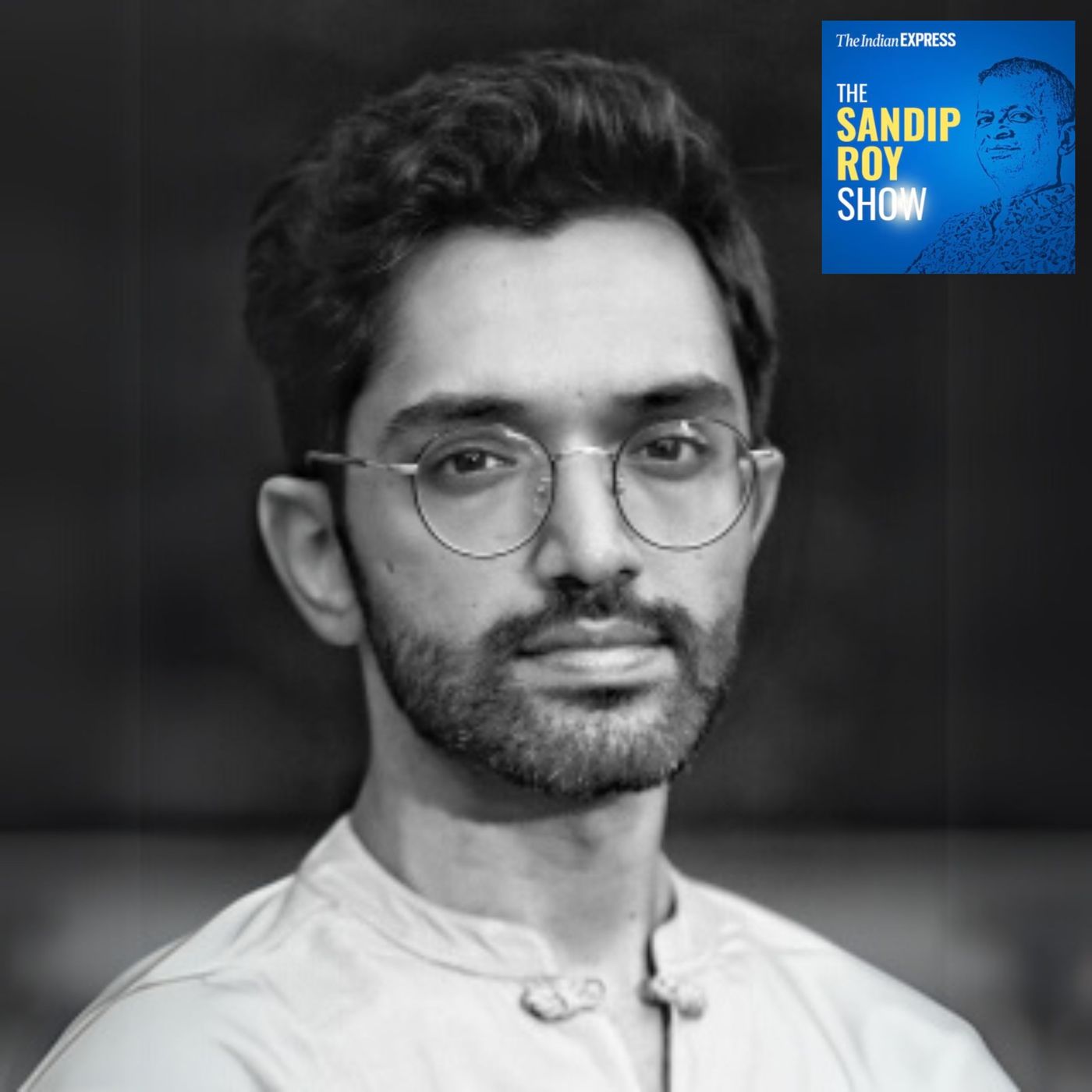
Manu Pillai on how Hinduism and Christianity transformed each other
In this episode, we discuss how early Christian missionaries encountered Hinduism during colonial rule depending on where they landed and whom they met and how they saw very different faiths with different gods, rituals, and customs. Host Sandip Roy is joined by author and historian Manu S. Pillai to discuss his new book, "Gods, Guns and Missionaries," which explores how these cross-cultural encou
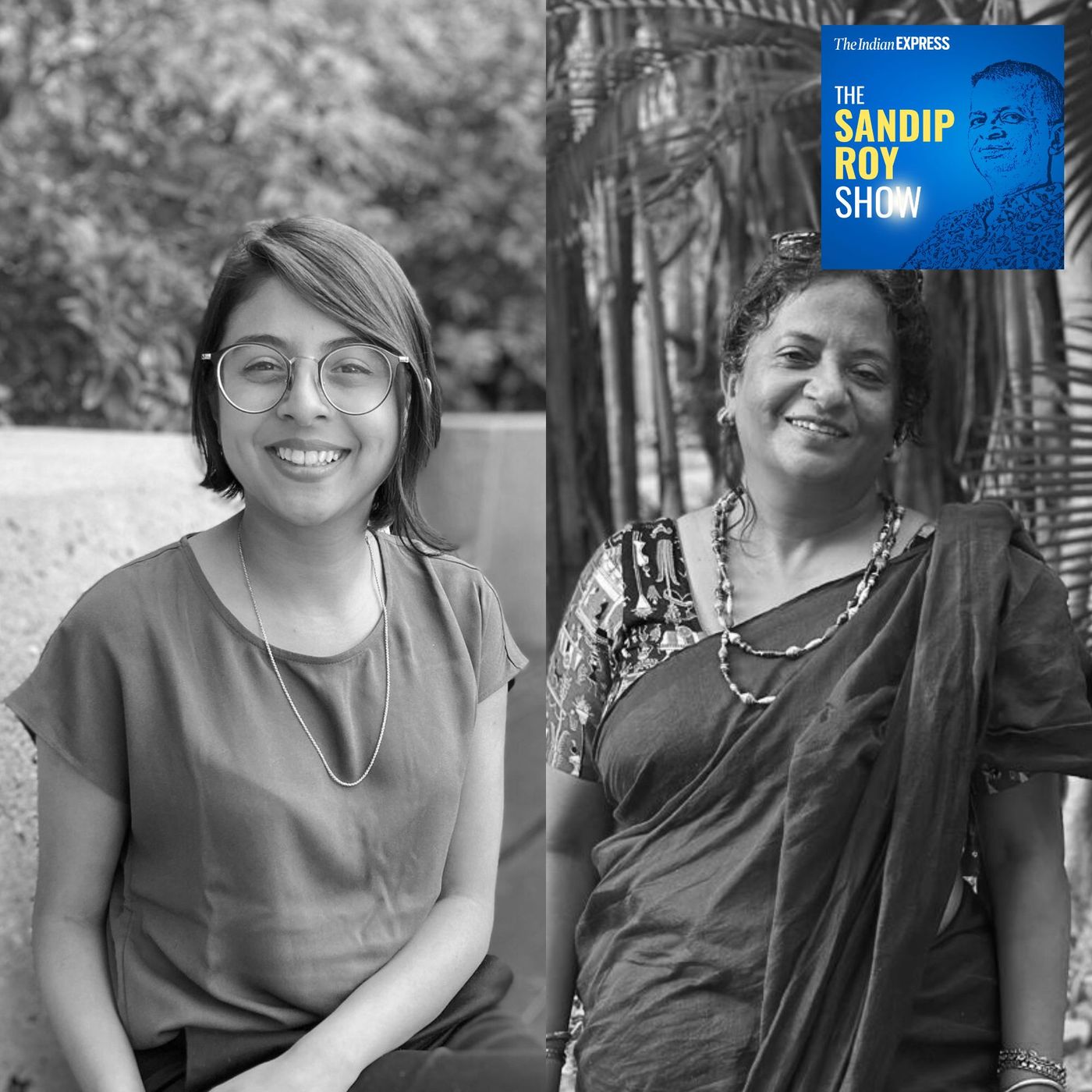
How caste influences food—from cookbooks to public health ft Sylvia Karpagam and Sucharita Kanjilal
Social media has revolutionised the world of home chefs, bringing everyday cooks into the spotlight. From a woman in the Northeast showcasing her daily thali of fermented foods to a mother-son duo in rural Bengal cooking over a mud stove, food storytelling is more diverse than ever. Cookbooks are emerging from Dalit kitchens to Saraswat Brahmin traditions, highlighting how caste and cuisine remain
The holy cow and the dairy dilemma ft Yamini Narayanan
For millions in India, the cow is sacred, and many states have laws prohibiting its slaughter. But this raises a question—what do we do with all these cows? And while India reveres the 'Mother Cow,' does the cow herself want to mother anyone beyond her own calf?In this episode, host Sandip Roy speaks with Yamini Narayanan about her new book, Mother Cow, Mother India. She unpacks the complexities o
Indulge: How is India's speciality coffee scene brewing?
While India has long been known as a tea-drinking nation, the specialtiy coffee scene is rapidly growing, with consumption on the rise and the industry projected to surpass $1 billion by 2032. But is this growth as promising as it seems? In this episode, host Sandip Roy speaks to Raghunath Rajaram and Namisha Parthasarathy, founders of Aramse, an independent speciality coffee company and content p
Lee Durrell on 100 years of Gerald Durrell
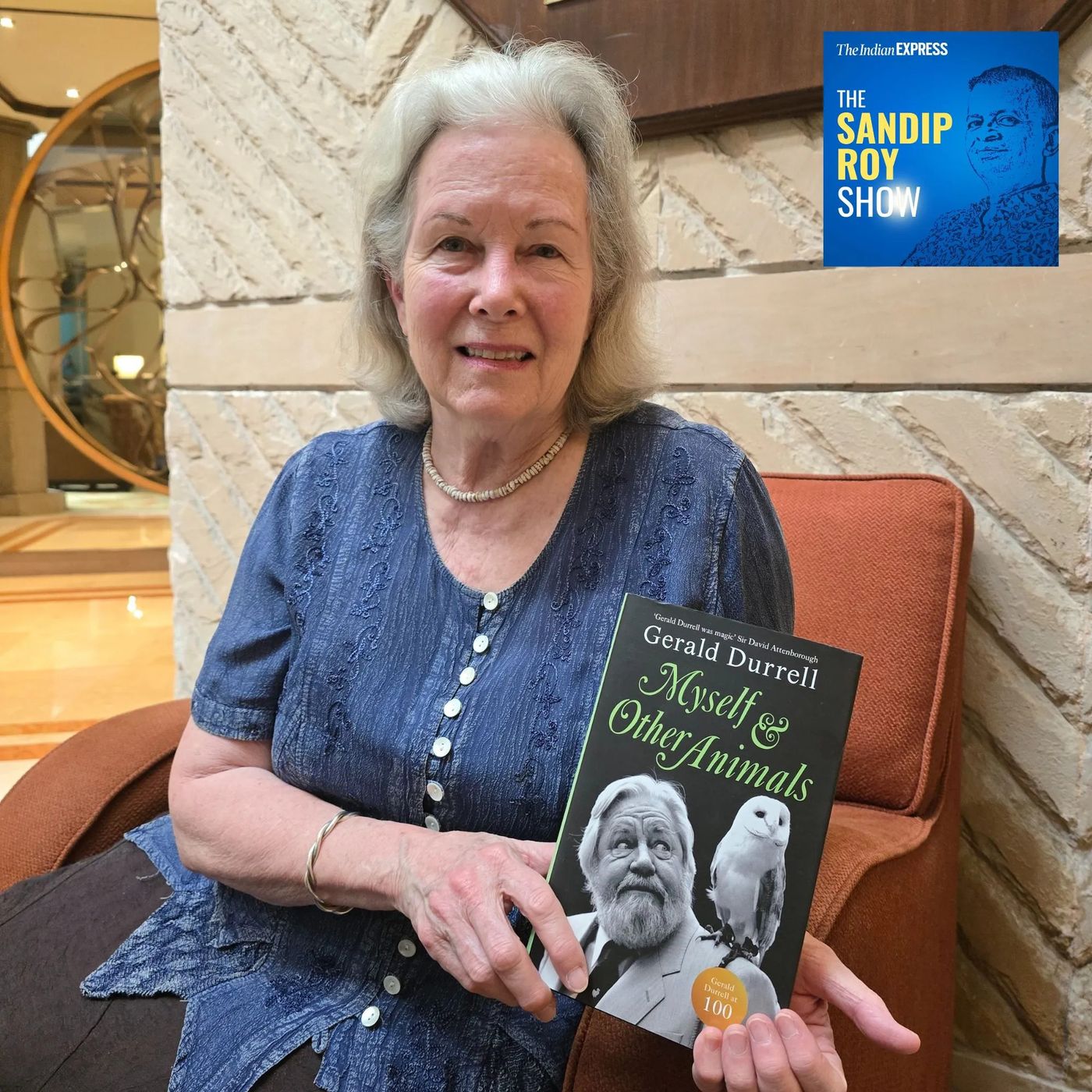
A renowned conservationist and writer, Gerald Durrell, was known for his unique ability to describe even the most mundane creatures, like slugs, with the same enthusiasm typically reserved for majestic animals. In this episode, host Sandip Roy is in conversation with Lee Durrell, the Honorary Director of the Durrell Wildlife Conservation Trust and the late Gerald Durrell's wife. Together, they rec

Northeast India wants tourists. But is it ready?
Once overshadowed by destinations like Rajasthan, Kerala, and Goa, the Northeast is gaining recognition as a hub for unique travel experiences. Beyond the famed Kaziranga rhinos and Shillong waterfalls, cultural festivals like Arunachal’s Ziro Music Festival and Nagaland’s Hornbill Festival have firmly established the region on the travel map.In this episode, host Sandip Roy speaks with Nishant Si
Mapping the story of new India through its working class ft Neha Dixit
Award-winning journalist Neha Dixit, in her latest book, The Many Lives of Syeda X, tells the story of a young, working-class Muslim woman, spanning from the early 1990s to the present day. Through her narrative, Dixit also traces the profound social, cultural, and political transformations of a changing India.This week, host Sandip Roy speaks to Dixit about the inspiration behind the book, the ch
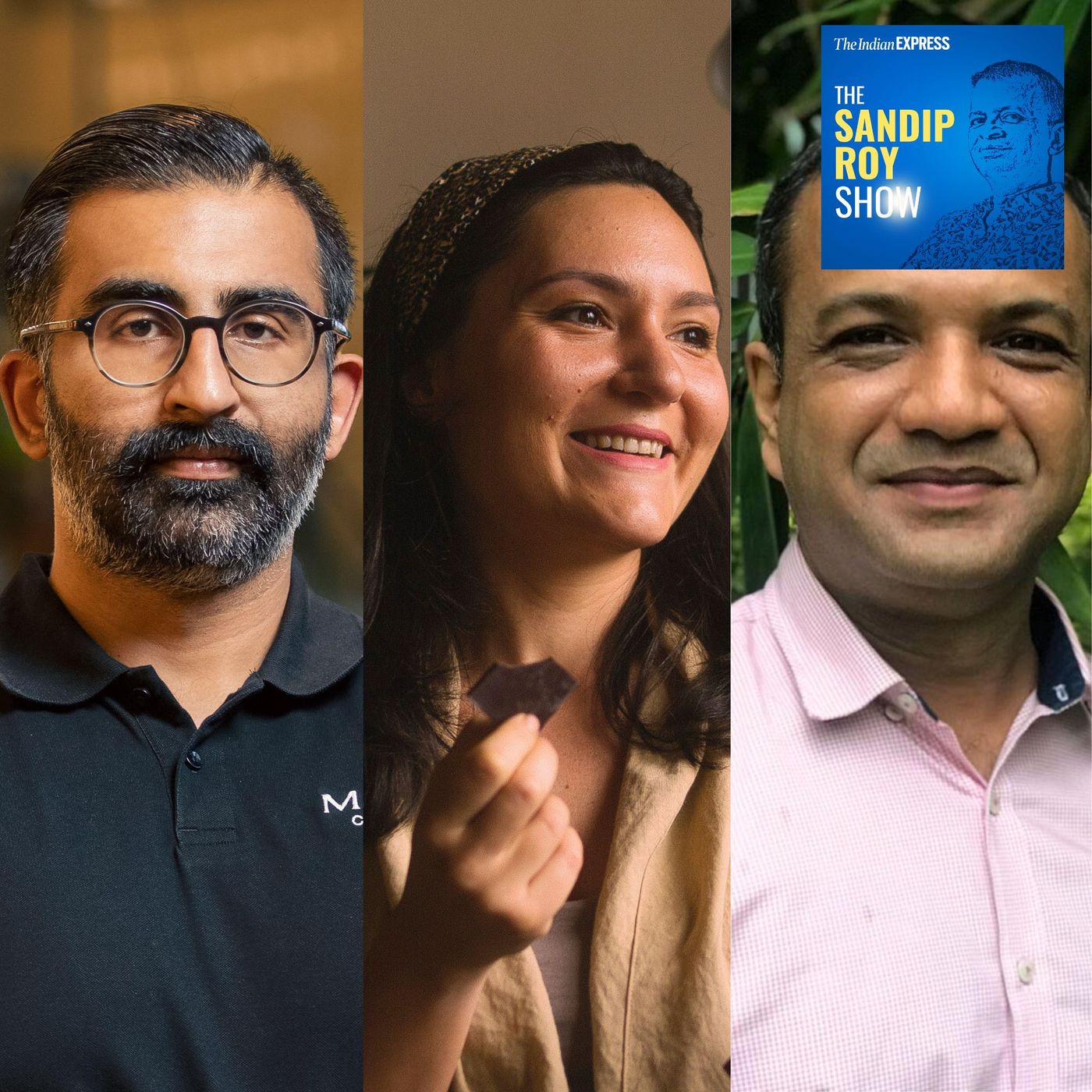
Indulge: The brave new world of Indian craft chocolate
Over the past few years, Indian craft chocolatiers have been earning accolades at some of the world's most prestigious international competitions, including the UK-based Academy of Chocolate Awards. To explore this growing chocolate culture, host Sandip Roy speaks with Chaitanya Muppala, Vikas Temani, and Patricia Cosma. Together, they discuss the future of Indian craft chocolate in a market long
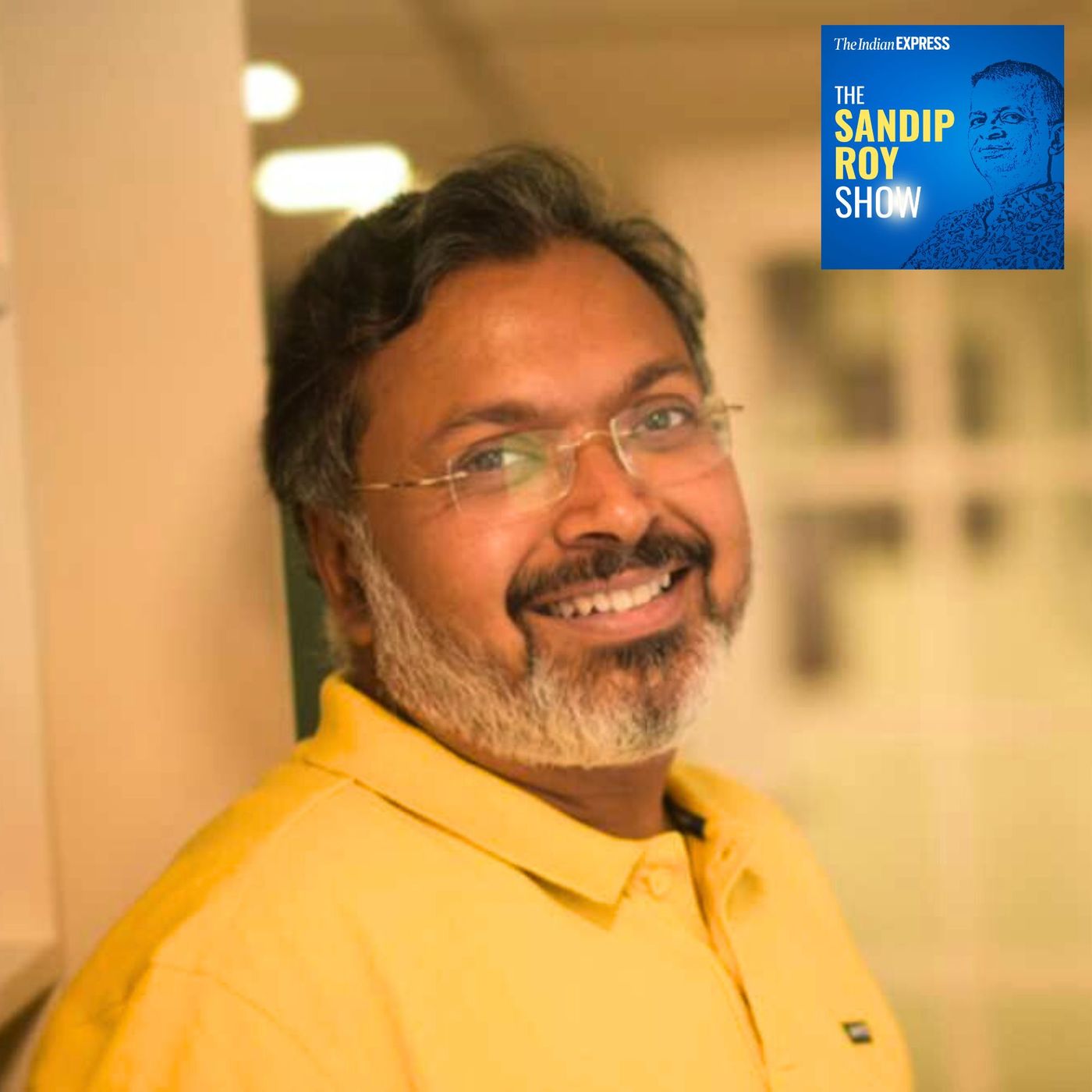
Devdutt Pattanaik on how Harappa changed India’s sense of self
The transformative discovery made in 1924 by John Marshall, Director General of the Archaeological Survey of India, revealed the existence of the Indus Valley Civilisation, pushing back the origins of Indian civilisation by millennia. Now, Devdutt Pattanaik’s new book, Ahimsa: 100 Reflections on the Harappan Civilisation, offers a unique perspective on this ancient civilisation, exploring it throu
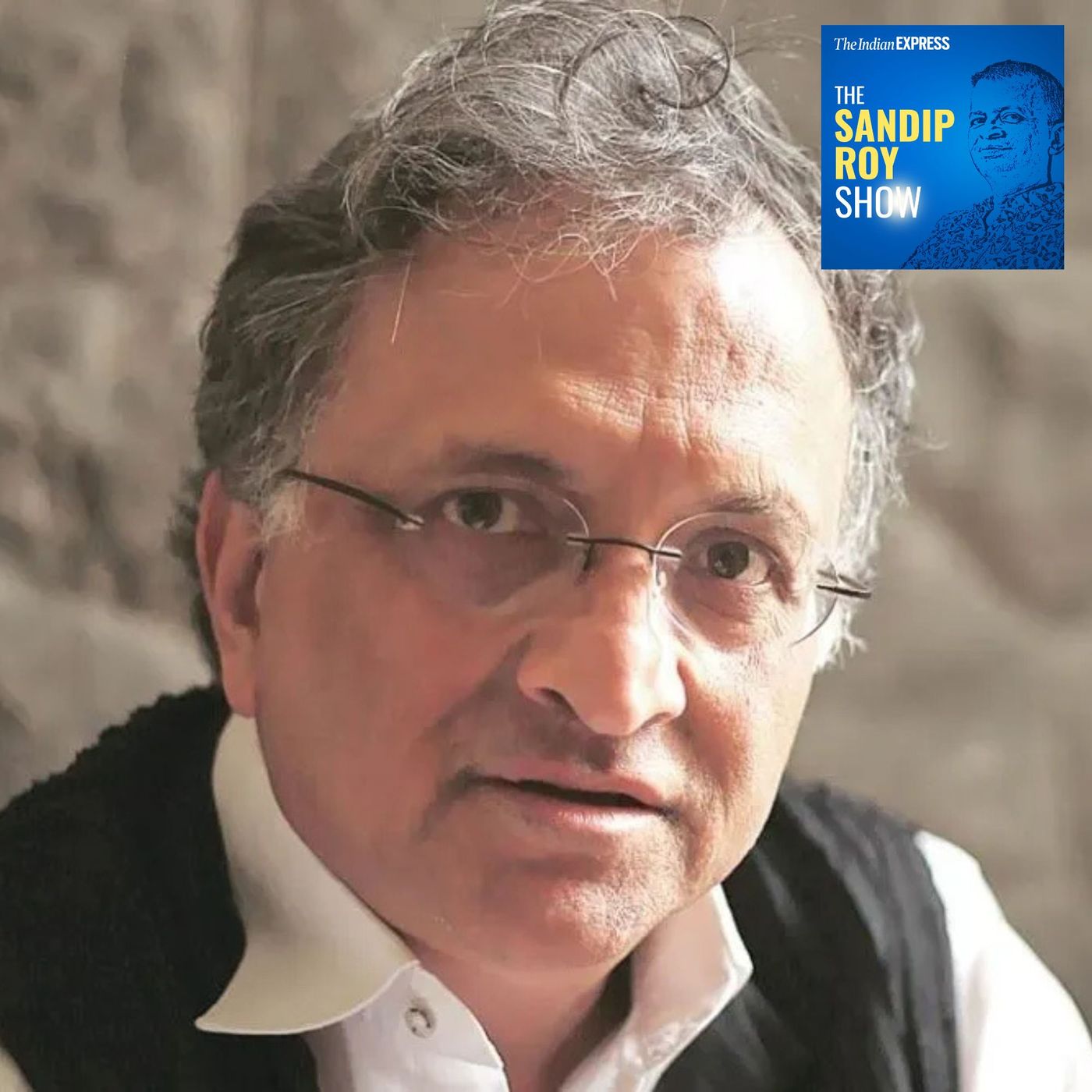
Ramachandra Guha on what India's forgotten environmentalists can teach us
At a time when the news about the environment seems to be worsening by the day, historian Ramachandra Guha's latest book, Speaking with Nature, sheds light on India's early environmentalists. These pioneers raised alarms about ecological concerns at a time when the focus was on industrialization as a means to alleviate poverty for millions. Their stories reveal how environmentalism in India evolve
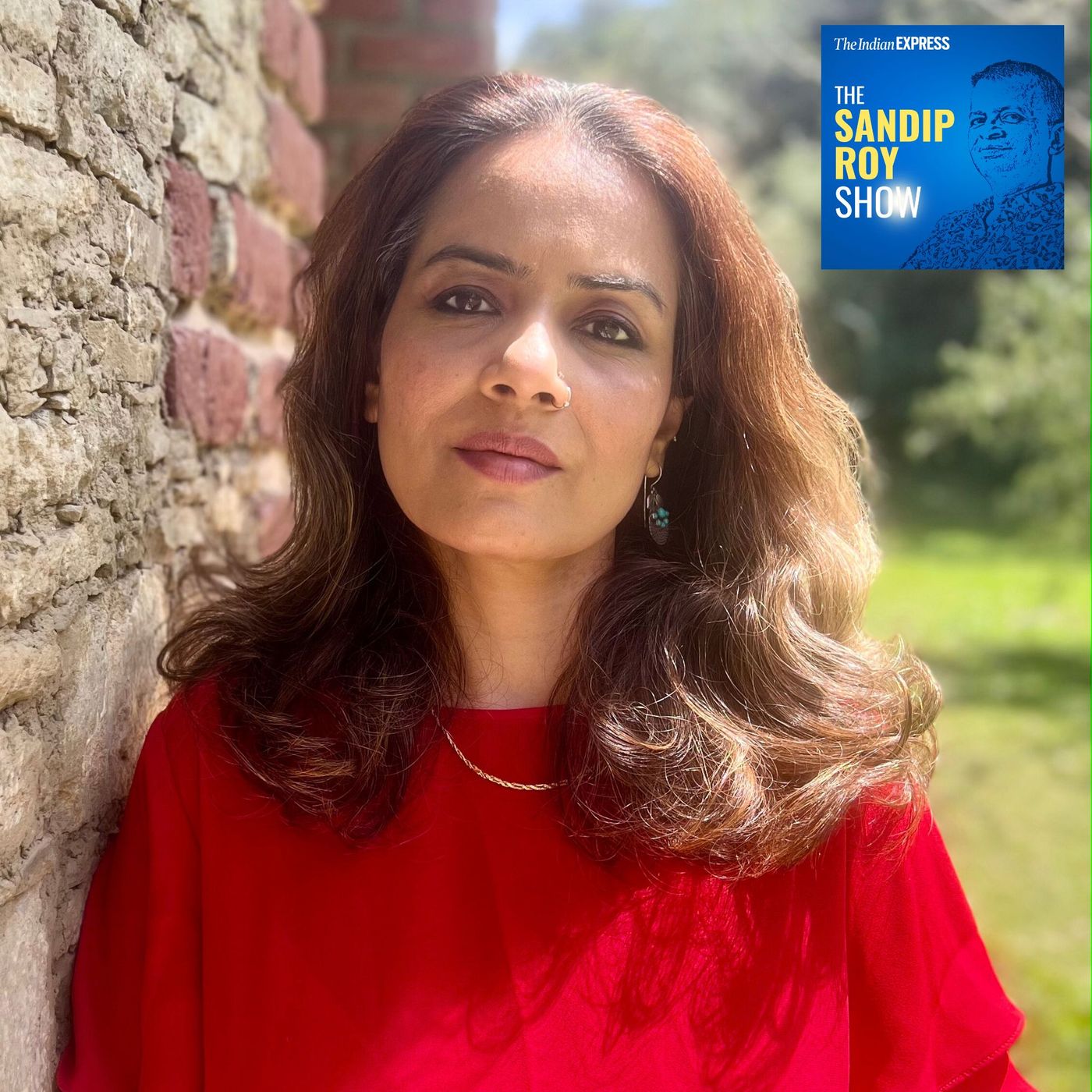
Nusrat Jafri on caste, conversion, and why India can't talk about it
In her memoir, This Land We Call Home, Nusrat F. Jafri reflects on the history of her nomadic ancestors, members of the Bhantu tribe from Rajasthan, who were once branded "criminals" under British colonial law. As a response to caste-based discrimination, her family ultimately embraced Christianity. Through the book, Jafri weaves a narrative that explores not only the personal histories we all car

Indulge: Is India neglecting its indigenous spirits? ft Aniruddha Mookerjee and Hansel Vaz
While whiskey, wine, and gin have witnessed a kind of renaissance in India over the past few years, the same hasn't been true for indigenous liquors like Mahua, Feni, and rice beer. Although some of these liquors are now being recognized as 'heritage liquors'—with some even receiving GI tags—their growth has been relatively slow. To understand what’s preventing these traditional liquors from gaini
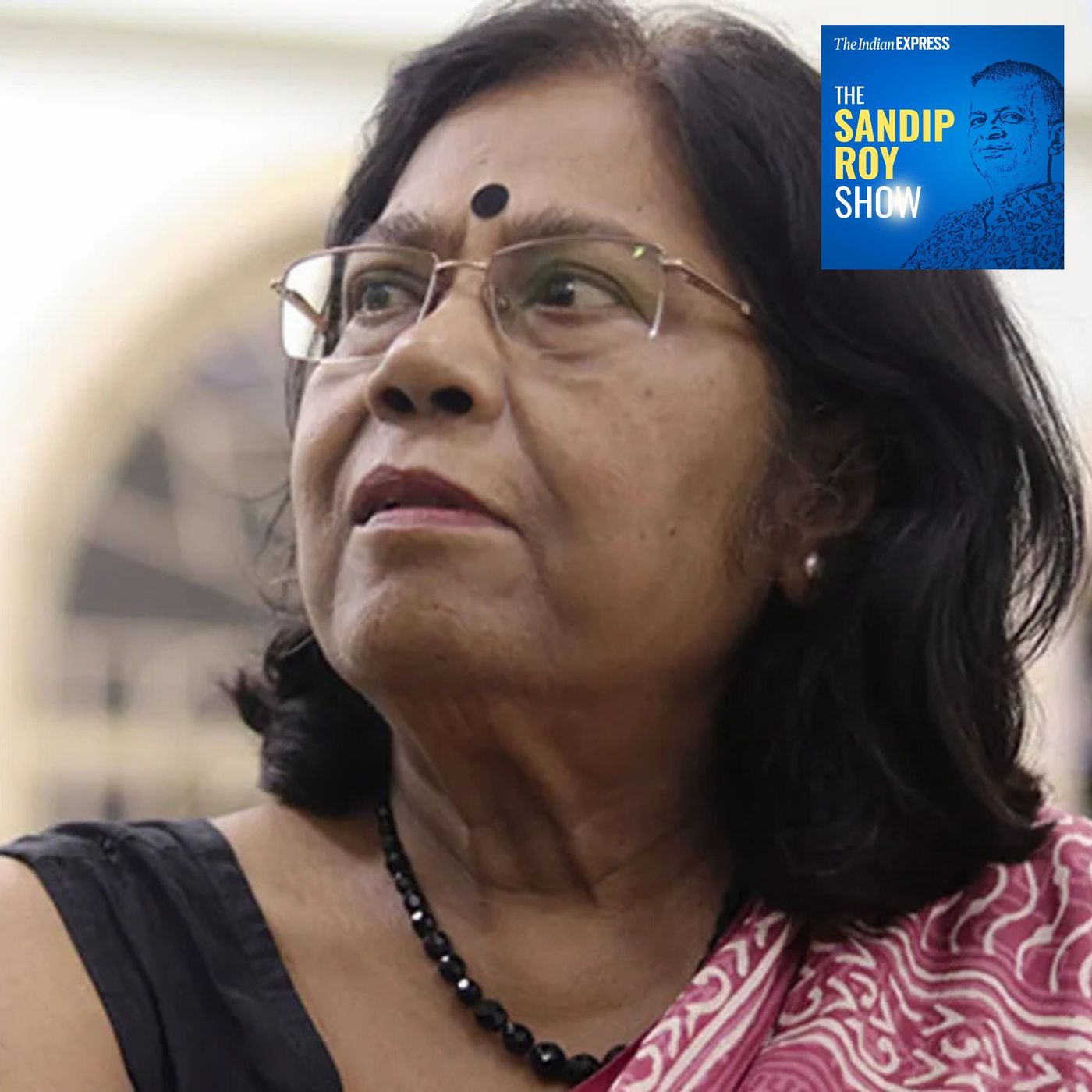
Breaking the glass ceiling in geology ft Dr Sudipta Sengupta
Dr. Sudipta Sengupta, one of the first Indian women to set foot on Antarctica, has not only ventured to the frozen south but also explored the Arctic and climbed Himalayan peaks. As an early Indian geologist, she’s broken many barriers along the way. In this episode, she joins Sandip Roy to discuss her memoir, Breaking Rocks and Barriers, and the experiences that have shaped her remarkable journey
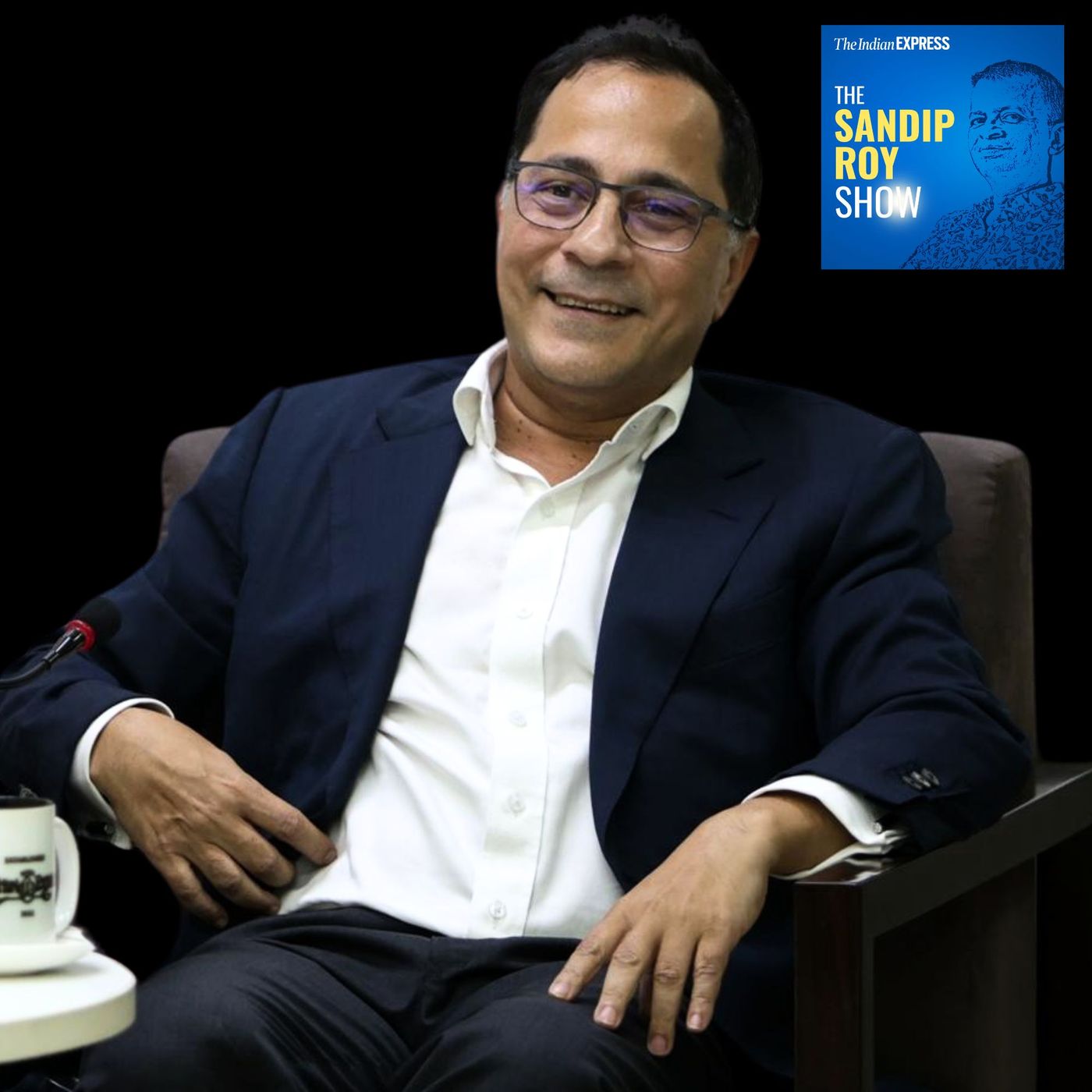
How attainable is equality in India? ft Saurabh Kirpal
Article 14 of the Indian Constitution states: “The State shall not deny to any person equality before the law or the equal protection of the laws within the territory of India." And who could argue with that?Yet, some of India’s most fraught political issues—reservations, the right to wear a hijab in college, or same-sex marriage—are situated at the heart of Article 14.In this episode, host Sandip

The promise and peril of AI ft Madhumita Murgia
Schools and colleges are increasingly concerned that the widespread use of AI tools like ChatGPT could weaken critical thinking and research skills among students. There's also growing unease about academic integrity, with fears that students may turn to AI for assignments or to bypass plagiarism checks. But even beyond education, AI has raised ethical concerns about job displacement, data privacy
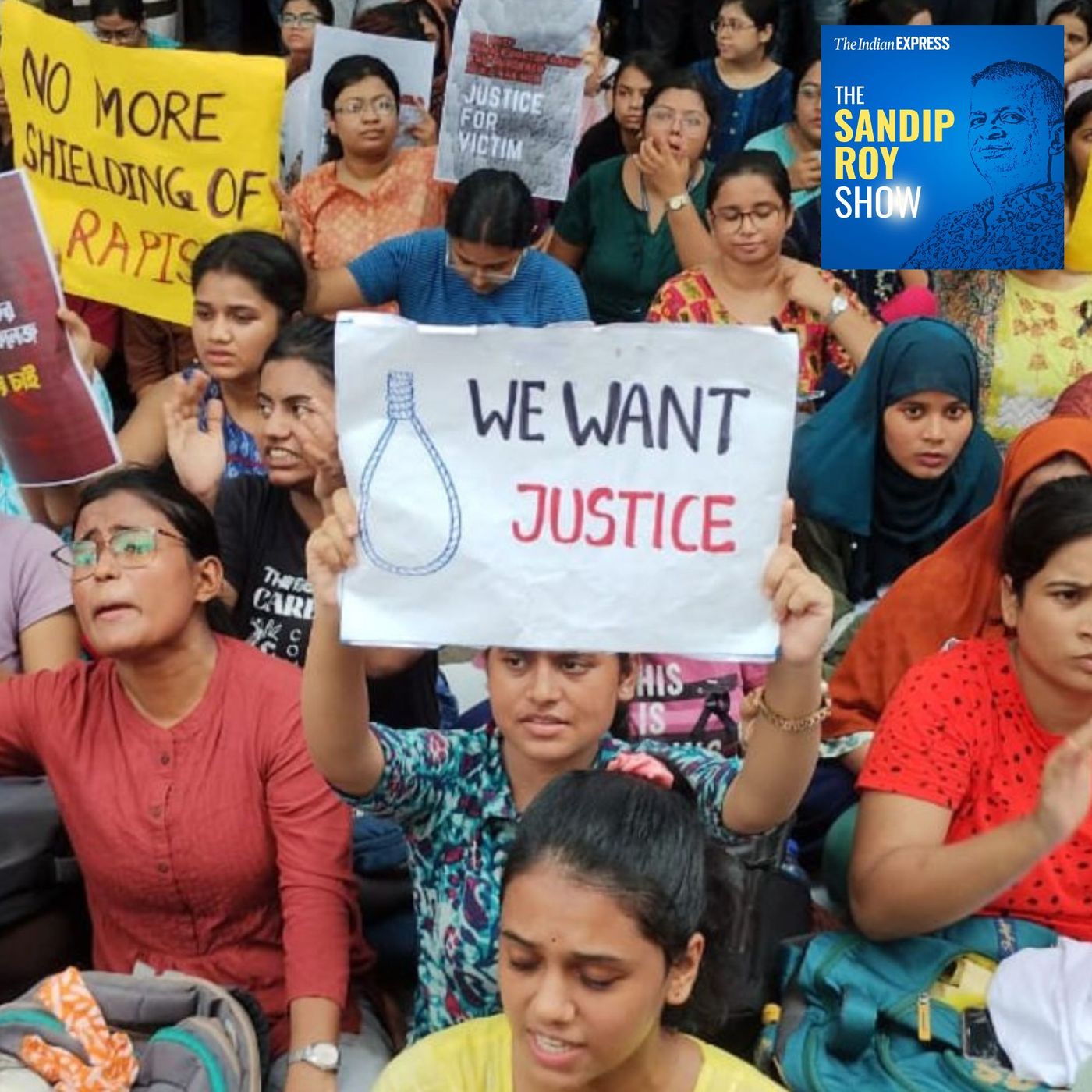
What RG Kar tells us about women’s safety ft Jhuma Sen and Amrita Dasgupta
The RG case has once again drawn public attention, highlighting the need for thorough investigations and justice. This incident underscores ongoing concerns about women's safety and the urgent need for stronger protections. There have been renewed calls for the death penalty, though experts question its effectiveness and stress the need for legal reforms. In this episode, host Sandip Roy speaks to
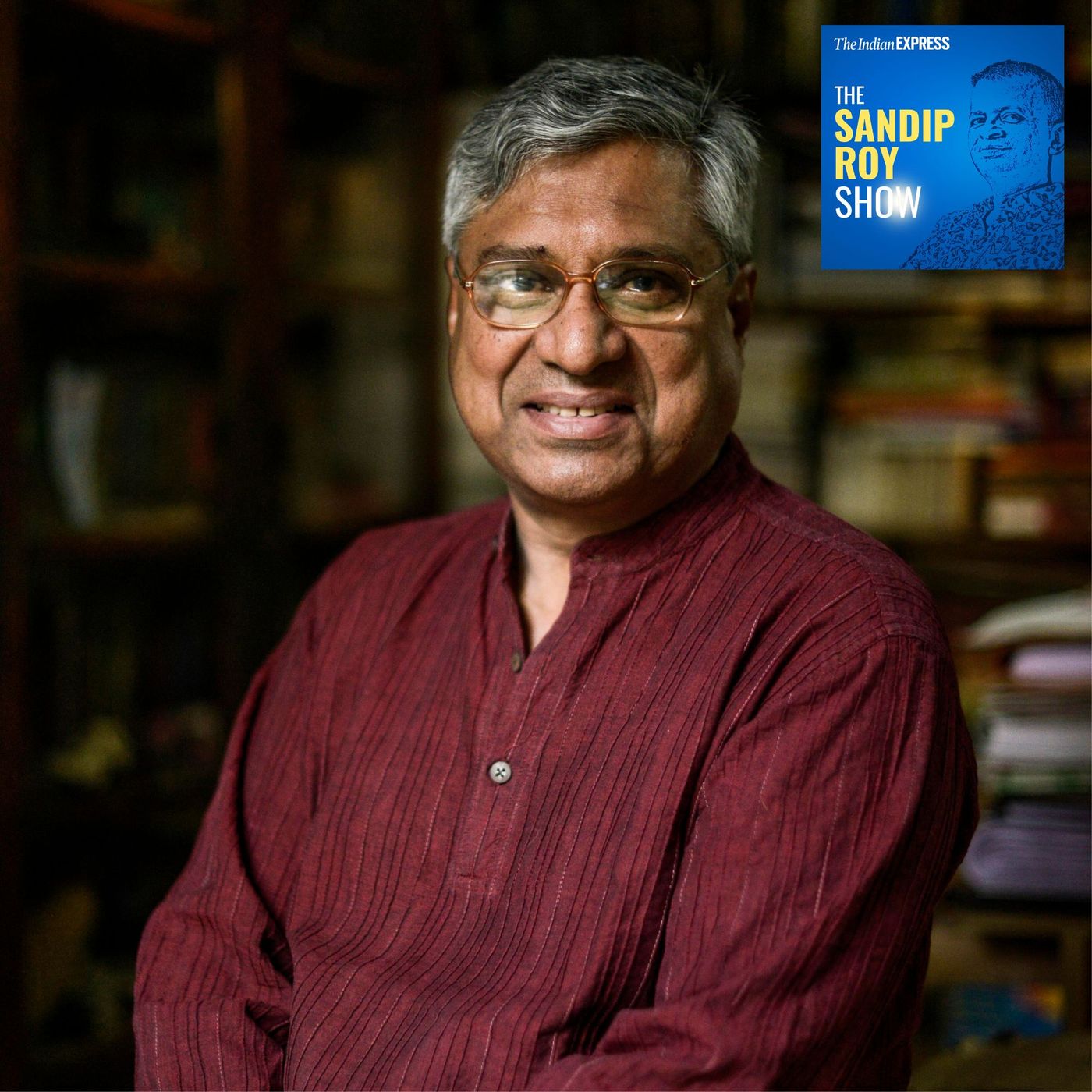
Can the BJP rewrite the Freedom Movement? ft Aditya Mukherjee
With Indian Independence around the corner, host Sandip Roy speaks to Professor Aditya Mukherjee about the politicization of the freedom struggle and the attempts to rewrite by the current establishment. Mukherjee retired as Professor of Contemporary Indian History, Centre for Historical Studies, Jawaharlal Nehru University, New Delhi. He has authored books like India's Struggle for Independence,
What actually sets Bengaluru apart ft Malini Goyal
Once known as the back office of the world, Bengaluru is now seen as India's startup capital and tech hub. However, the city’s rapid growth has brought significant challenges, with traffic congestion and water issues becoming as notorious as its startup culture.In this episode, Malini Goyal, the author of Unboxing Bengaluru, joins Sandip to discuss how Bengaluru evolved into its current state and

Is it Modi model or Gujarat model? ft Christophe Jaffrelot
When Narendra Modi first appeared on the national stage, his supporters touted the Gujarat model as crucial for national success, while opponents feared it might weaken India's foundational pillars. Now, after 20 years, how has the Gujarat model scaled up at the national level? In this episode, political scientist and historian Christophe Jaffrelot joins Sandip Roy to answer this question, and tal
Grace Banu on how transgender lives have changed 10 years after NALSA
In 2014, the Supreme Court ruled on a writ filed by the National Legal Services Authority (NALSA), stating that the government, both at the state and Centre, must grant full legal recognition to transgender individuals.That judgment, in many ways, helped pave the way for the landmark Section 377 verdict. But ten years on, how much of the promise of that verdict has been realized in practice for th
The puzzling questions of the Bhima Koregaon Case ft Alpa Shah
Alpa Shah’s latest book, The Incarcerations, a finalist for the Orwell Prize for Political Writing, unravels and uncovers the chilling story of the Bhima Koregaon case and how sixteen human rights defenders—including academics, poets, trade unionists, and Dalit organizers—were labeled urban Naxalites, charged with inciting violence, and accused of waging a war against the Indian state. In this epi
Is AAP a game changer or has the game changed it? ft Ashutosh and Neelanjan Sircar
The Aam Aadmi Party, led by Delhi Chief Minister Arvind Kejriwal, is one of the most formidable political parties in the country and has often been described as a game-changer. But to what extent has that been the case? Has it truly transformed Indian politics, or has Indian politics, in turn, reshaped what the party once stood for?In this episode, host Sandip Roy is joined by Ashutosh and Neelanj
Why India is a magnet for crypto scams ft Mitali Mukherjee
This week on the show, Sandip Roy speaks with journalist Mitali Mukherjee, whose book "Crypto Crimes" gives us a window into the underbelly of the crypto world and its rapid expansion throughout India. Through personal anecdotes and firsthand narratives, the book delves into the depths of the dark web, exposing the reality behind the unregulated crypto bubble that is now witnessing all sorts of cr
Mridula Koshy and Rituparna Neog on India's missing libraries
Despite the frequent buzz around new book releases and the increasing popularity of literary festivals, one glaring absence in the country remains: free public libraries. Join host Sandip Roy this week as he engages in a conversation with Mridula Koshy and Rituparna Neog, community activists part of the Free Libraries Network (FLN), to discuss India's dearth of public libraries and what can be don
Why India lags behind its neighbours in human development ft Swati Narayan
During a time when India's economy is on the rise, a new book called Unequal: Why India Lags Behind Its Neighbours by Swati Narayan argues that this growth hasn't automatically translated into the empowerment of the poor or an improvement in their social mobility. When compared with its less prosperous neighbors such as Bangladesh and Nepal, India still falls behind in numerous human development i
Getting kids to care about climate change ft Bijal Vachharajani and Rohan Chakravarty
As summer sweeps in, we find ourselves once again inundated with reports of record-breaking temperatures, unprecedented heat waves, and other climate disasters. As adults, one question to consider is: How do we talk about climate change with young people, who will ultimately inherit this warming planet? And how can we do so in a manner that is not terrifying or depressing, but rather engages and e
How Congress PMs fueled the rise of Hindu nationalism
Veteran journalist and contributing editor of The Indian Express, Neerja Chowdhury, in her book 'How Prime Ministers Decide,' recounts the stories of what transpired behind the scenes as Indian Prime Ministers made some of the most monumental decisions of their tenure, and sometimes opted not to make them.In this episode, leading up to the crucial Lok Sabha polls, she joins Sandip Roy to discuss s
What should be done about India’s street dogs? ft. Abi T Vanak
Last month, a one-and-a-half-year-old girl was allegedly mauled to death by street dogs in central Delhi’s Tughlaq Lane. In response, the National Human Rights Commission directed authorities to submit a detailed report within six weeks and to control the population of street dogs. However, within days, some animal welfare organizations stated that there is no evidence implicating street dogs in t
The inner lives of Varanasi's corpse burners ft Radhika Iyengar
Varanasi holds sacred significance for many Hindus who believe that being cremated at its famous Manikarnika ghat will grant them Moksha or salvation. However, most of us know little about the lives of the Doms who work at these ghats.In this episode, Sandip Roy is joined by journalist Radhika Iyengar, who spent several years documenting the lives of the Doms of Varanasi through many ups and downs
Krish Ashok busts myths about the Indian thali
Krish Ashok, the author of the bestselling book "The Masala Lab," has become hugely popular on social media as the man who demystifies the science behind our cooking. In this episode, he joins Sandip to debunk myths about the Indian thali.Produced by Shashank BhargavaEdited and mixed by Suresh Pawar
How colonial is our constitution? ft Arghya Sengupta
The provocatively titled book, "The Colonial Constitution," examines how we got the Constitution we did and argues that, despite being crafted by the individuals who secured India's independence, it ultimately embodies strong colonial influences.On the occassion of Republic Day, Sandip speaks to its author, Arghya Sengupta, who is the Research Director at Vidhi Centre for Legal Policy.Produced by
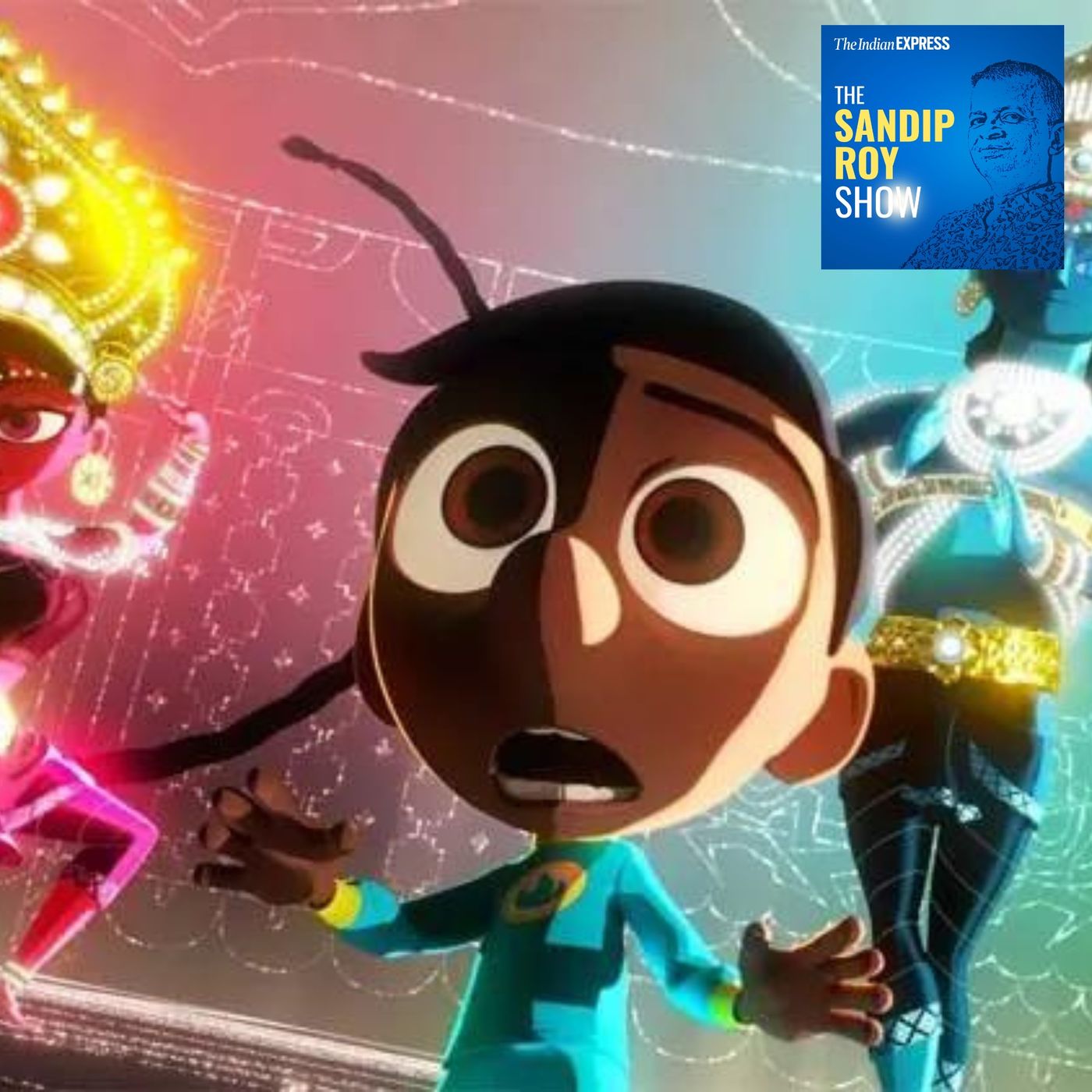
Sanjay Patel on animating Indian myths for kids
For two decades, Sanjay Patel served as an animator and storyboard artist for Pixar, contributing to beloved films such as Ratatouille, Cars, and Toy Story 2. Notably, he also wrote and directed "Sanjay's Super Team," a short film released in 2015 that earned an Academy Award nomination for Best Animated Short Film.In this episode, Sandip speaks to Patel, delving into his illustrious career, explo
Is secularism still 'half-baked' in India? ft Rajeev Bhargava
What makes Indian secularism so unique? Why is it so often misunderstood? And what challenges does it face at the moment? In this episode, Sandip Roy speaks to Rajeev Bhargava, the Director of the Parekh Institute of Indian Thought at the Centre for the Study of Developing Societies, who addresses all this and more in his book, 'Reimagining Indian Secularism’.Produced by Shashank BhargavaEdited an
The pop stars leading Hindutva's cultural revolution ft Kunal Purohit
They could be the biggest pop stars you've never come across. Absent from your social media feed, yet integral to the pop culture consumed by millions. Meet some of Hindutva's prominent pop stars who say they are on a mission, spearheading a cultural revolution.In this episode, Sandip speaks to journalist Kunal Purohit who in his book, 'H-Pop: The Secretive World of Hindutva Pop Stars', profiles k
Does the BJP need Rahul Gandhi more than the Congress? ft Sugata Srinivasaraju
Even though Rahul Gandhi is the guardian of the Nehru-Gandhi holy flame, at times it seems that his real mission is to reinvent his own party. On the other hand, many supporters of his party feel that the real stumbling block to its reinvention is Rahul Gandhi himself, who neither wishes to renounce it nor lead it from the front with gusto.Joining host Sandip Roy in this episode is journalist and
Sunil Pant and Nepal's lessons for India's LGBTI movement
After the Supreme Court’s disheartening verdict on same-sex marriage, it appears that we are still struggling to make progress in this regard. However, if we were to look just beyond our northern border, we would realise that Nepal is actually several steps ahead of India on this issue.In this episode, Sandip Roy speaks to Sunil Babu Pant, one of the country's best-known LGBTI activists, about the
Ujjal Dosanjh on the India-Canada tensions and the Khalistan gap
India-Canada relations are currently at an all-time low. And it all started after Prime Minister Justin Trudeau alleged active connections between agents of the Government of India and the killing of Canadian citizen Hardeep Singh Nijjar, a Pro-Khalistan leader.In this episode host Sandip Roy speaks to Ujjal Dosanjh, the former Premier of British Columbia and federal minister, to explore how this
Gautam Bhatia on the state of top courts under the Modi era
Over the past decade, India's top courts have presided over numerous landmark cases, including those related to Aadhar, Sabarimala, the Hijab row, anti-defection laws, privacy, Section 377, and the UAPA. While each of these cases holds significant importance individually, does a different narrative emerge when considering them collectively? In this episode, host Sandip Roy speaks to lawyer and con
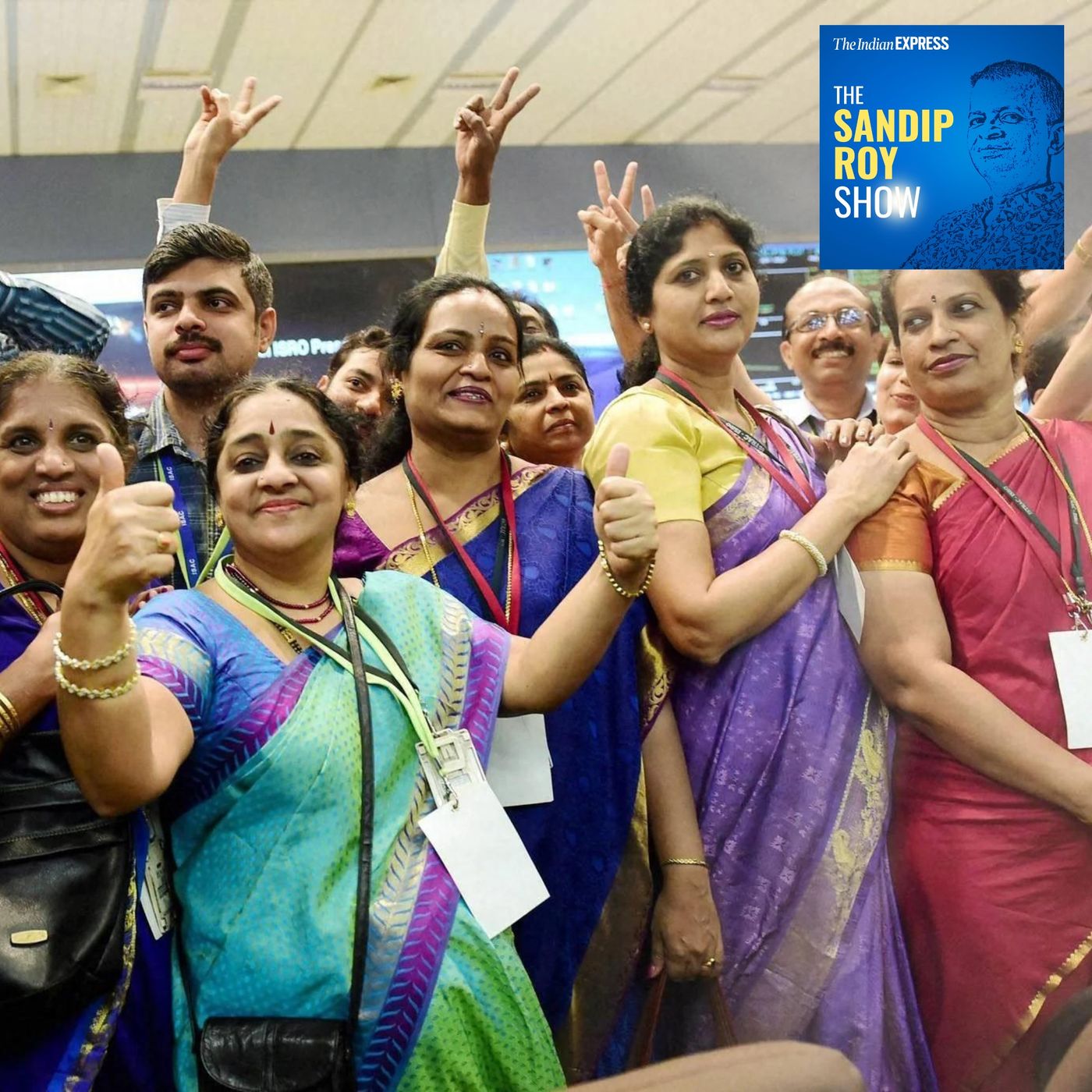
Does India have a women in science problem? ft Aashima Dogra and Nandita Jayaraj
When ISRO launched its Mars orbiter, it drew attention to the women working at the space agency. And the recent Chandrayaan-3 landing also celebrated this idea. However, the prestigious Shanti Swarup Bhatnagar prizes, which were announced after a one-year hiatus, had 12 winners, none of whom were women. It appears that something is amiss.In this episode, host Sandip Roy speaks with Aashima Dogra a
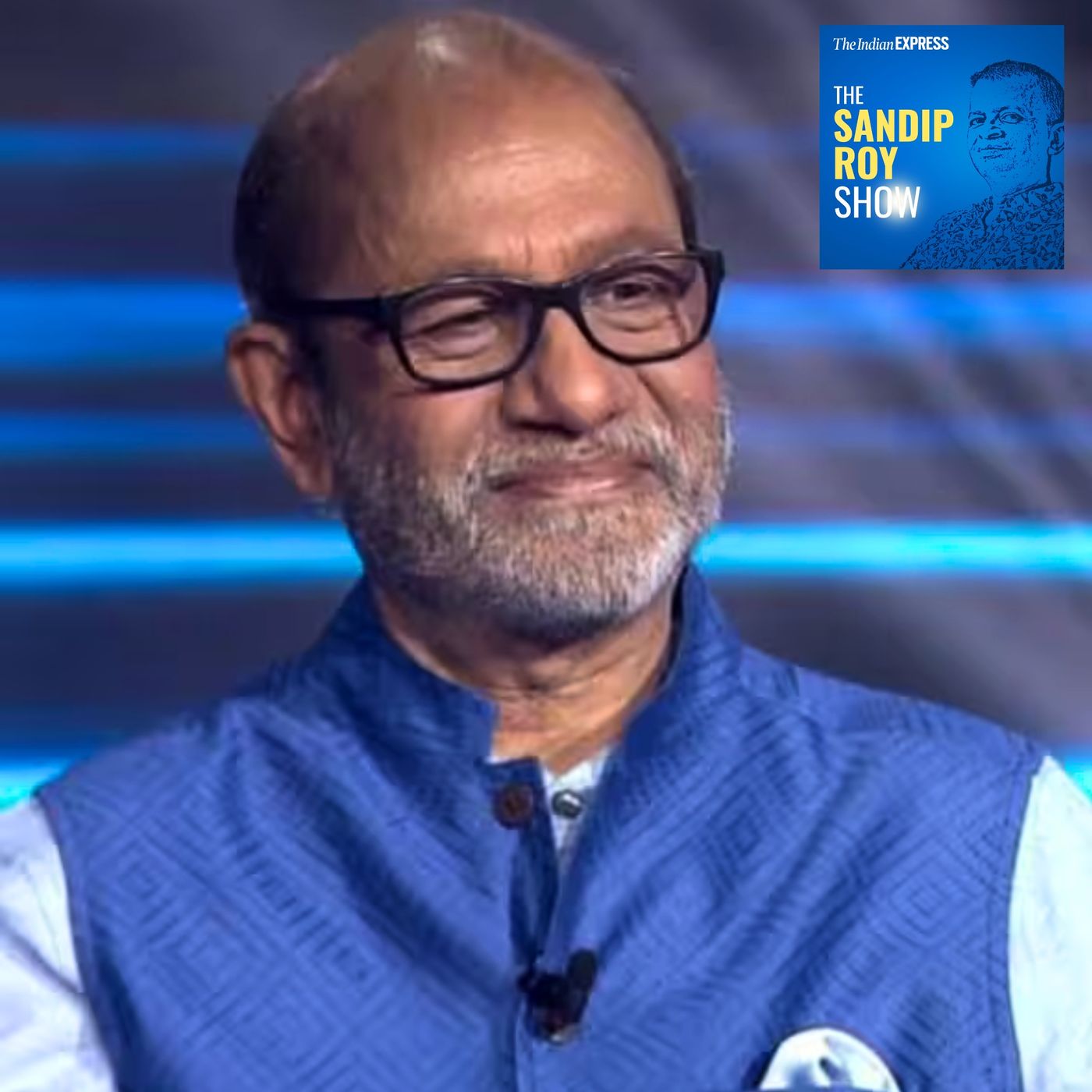
Siddhartha Basu on taking India from Quiz Time to KBC
From hosting and producing popular shows like Quiz Time and Mastermind India to becoming the producer-director of Kaun Banega Crorepati (KBC), Siddhartha Basu is widely regarded as the father of Indian quizzing. In this episode, he talks to host Sandip Roy about his journey, how quizzing has evolved in the country, and what knowing the right answer means in the era of Google.Produced by Shashank B
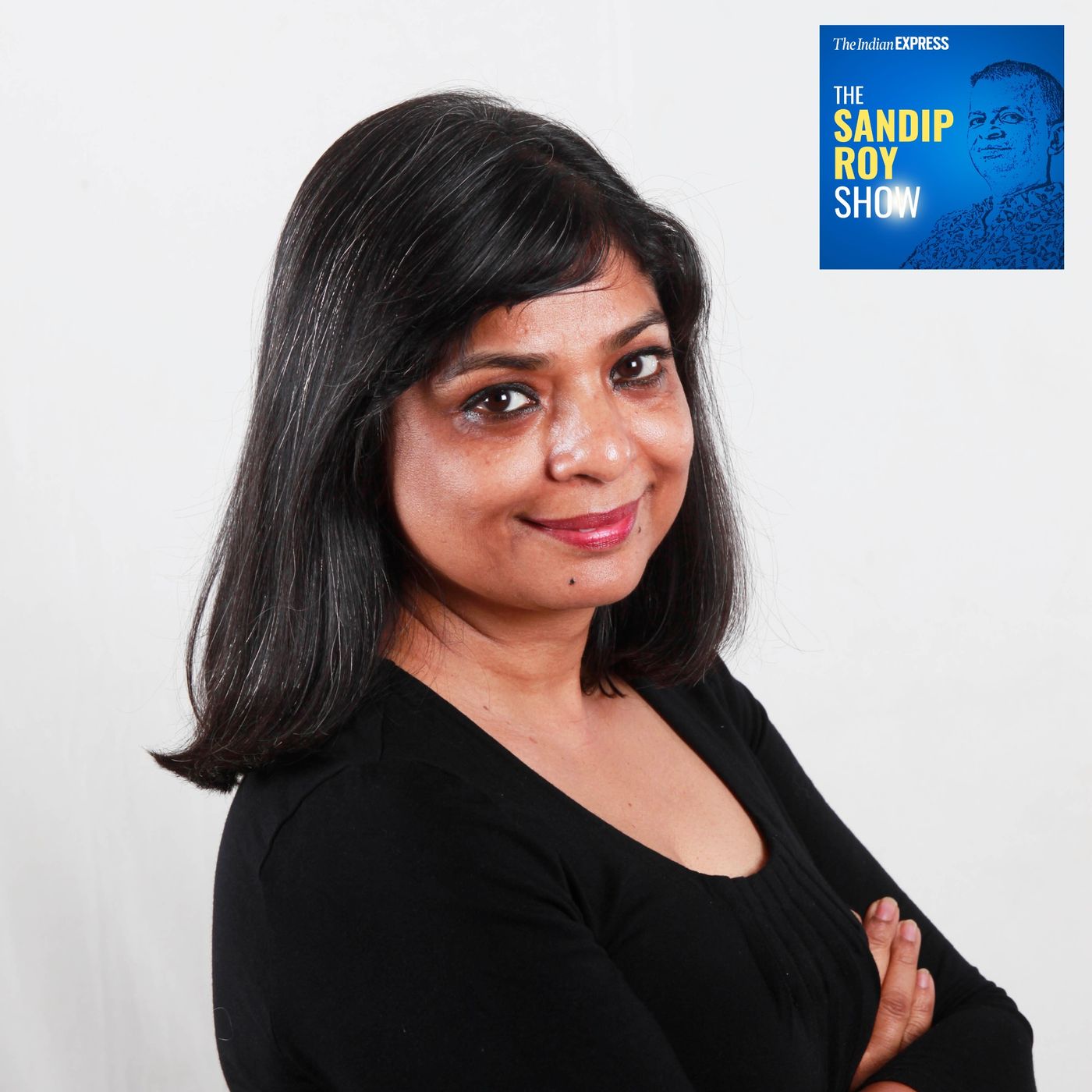
Shubhra Gupta on what makes a crossover star from Irrfan to Priyanka
With Priyanka Chopra starring in ‘Citadel’ (an American spy thriller TV series) and Alia Bhatt starring in ‘Heart of Stone’ (an American spy thriller film), has Bollywood finally made the crossover? Was Irrfan Khan India's first genuine crossover star? And in an era when stardom is increasingly becoming global, does it even matter?In this episode, host Sandip Roy is joined by Indian Express film c
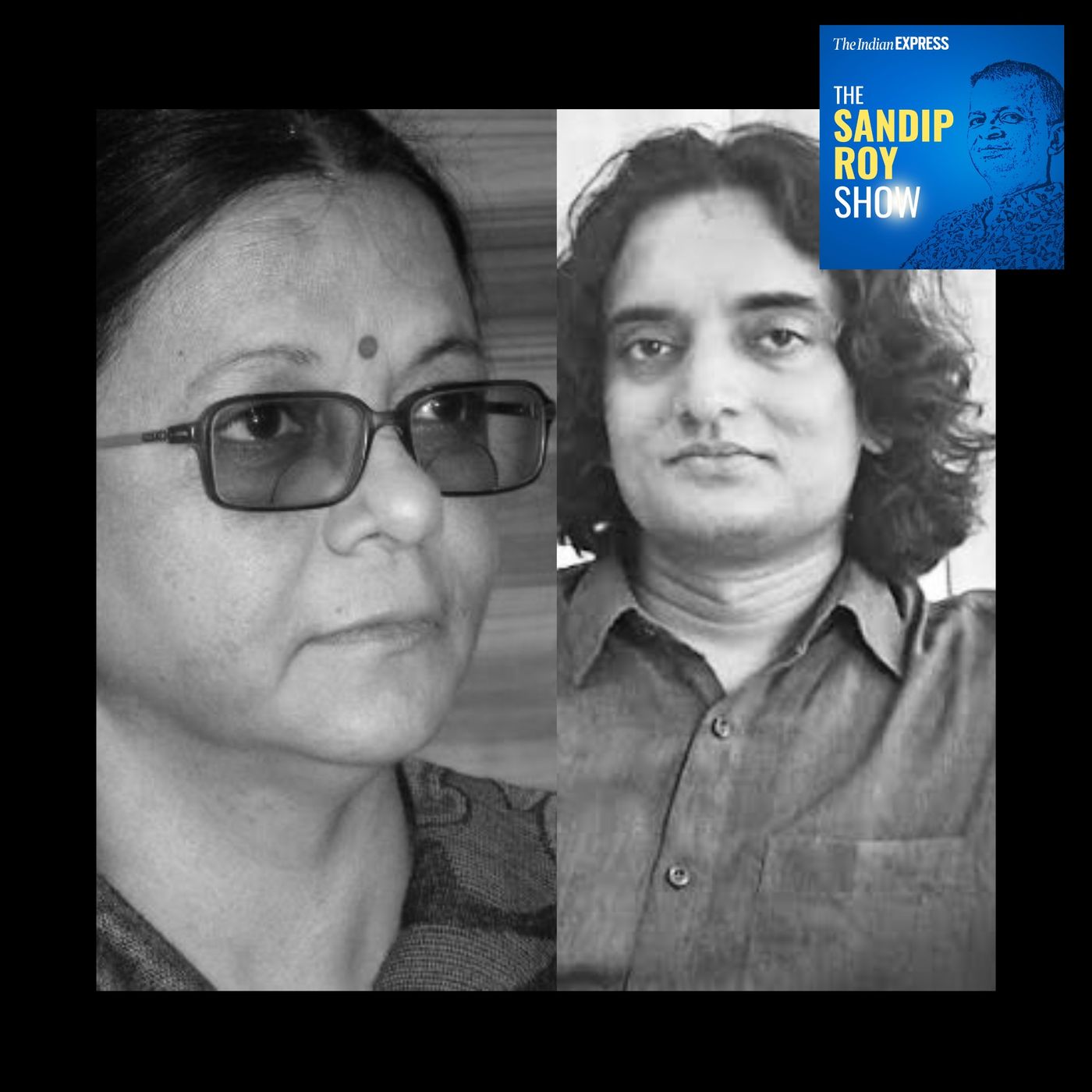
Sudha Pai and Sajjan Kumar on the Dalit vote mystery in UP
There is a mystery surrounding Dalit politics in Uttar Pradesh. Over the past decade, the Bahujan Samaj Party's Dalit voter base appears to have been co-opted by the Bharatiya Janata Party, which is often perceived as an upper-caste Hindu party. Surprisingly, this shift has occurred despite the fact that atrocities against Dalits by the upper castes have not decreased in the state.In their new boo
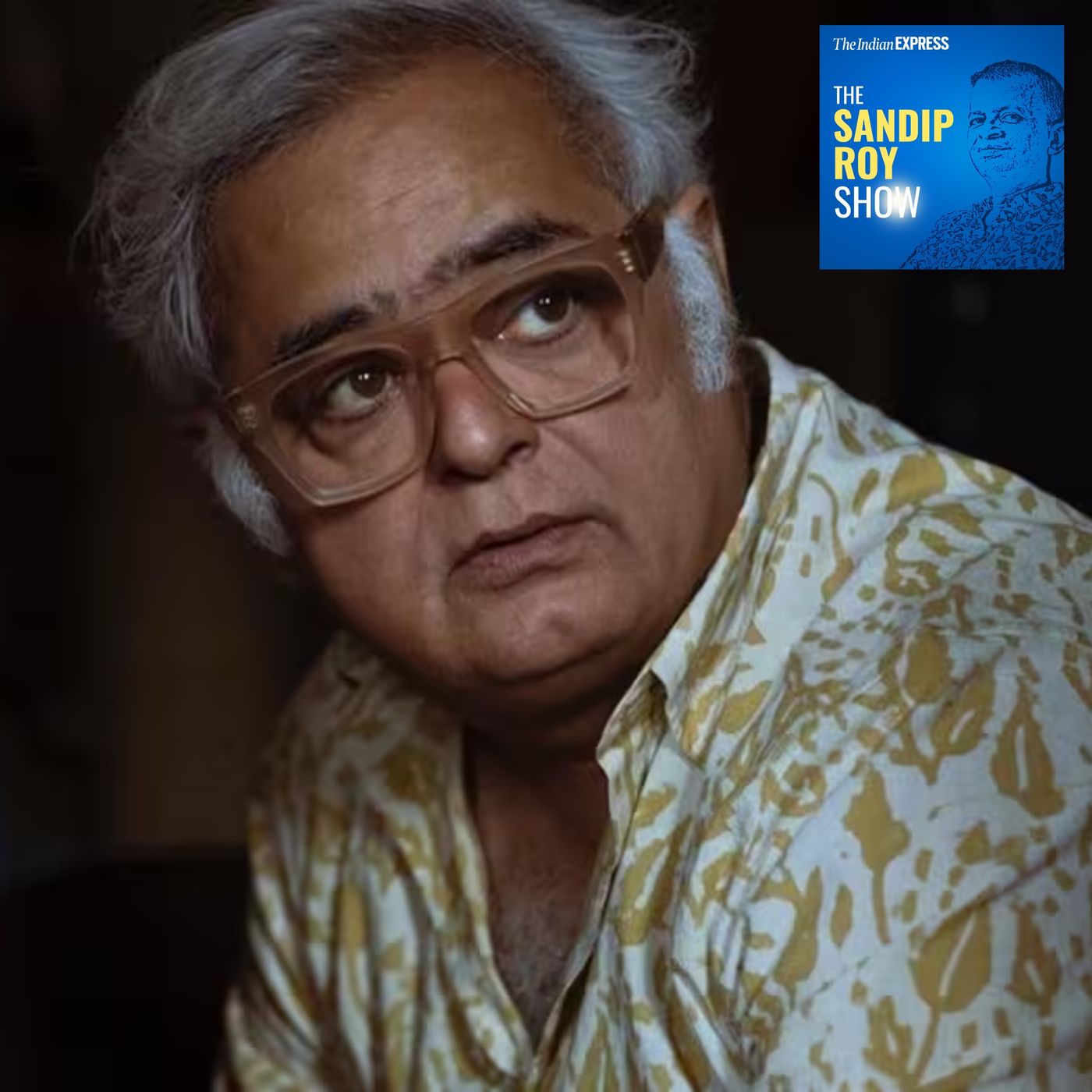
Hansal Mehta on making Scoop and using characters to confront his demons
Filmmaker Hansal Mehta joins Sandip Roy to talk about his latest TV series, Scoop, which is based on journalist Jigna Vora's book 'Behind Bars in Byculla: My Days in Prison.' In the book, she shares her experience of being accused, arrested, and tried in court for journalist Jyotirmoy Dey’s killing, before ultimately being acquitted of all charges. During their discussion, they delve into the maki
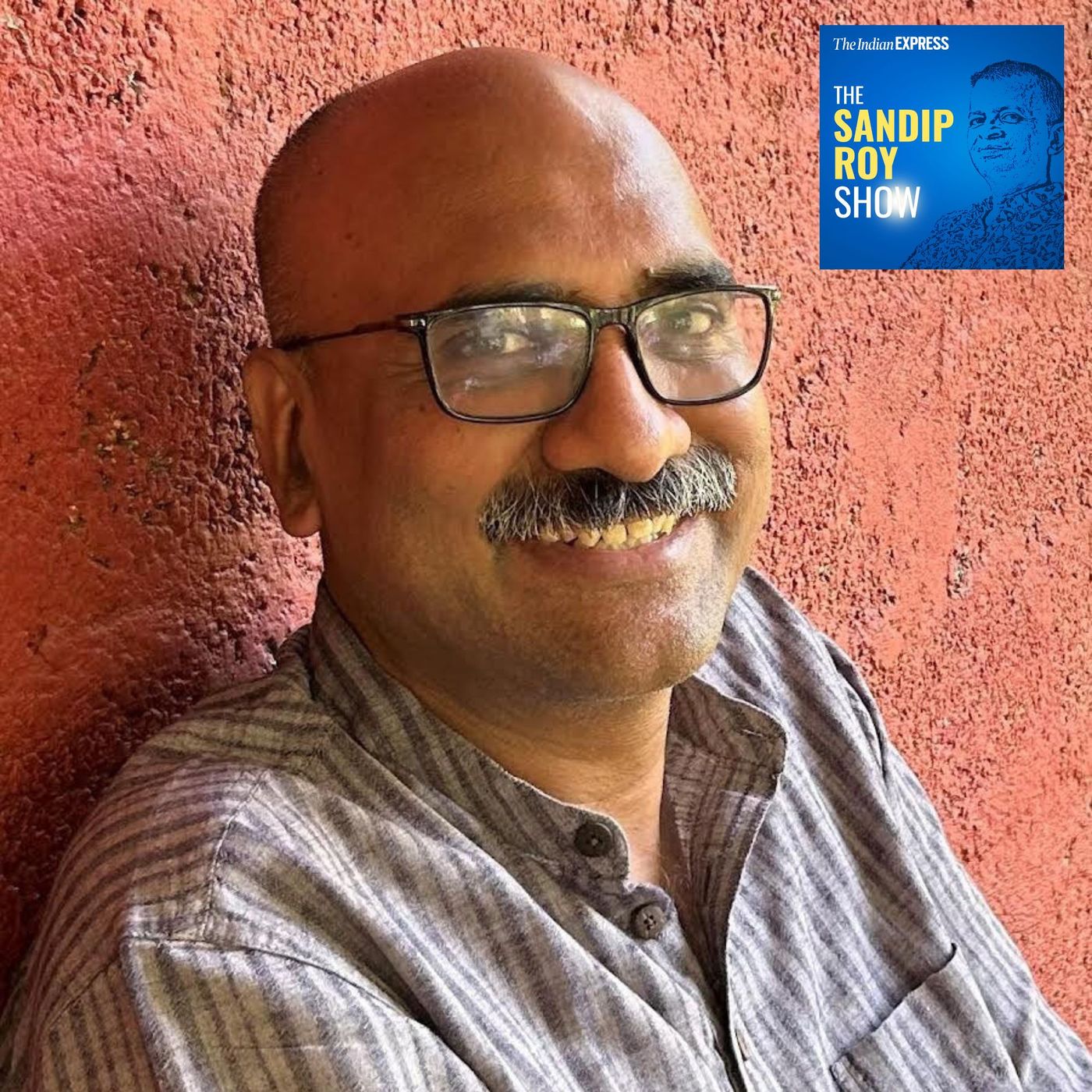
Why laws have not ended caste violence in India, with Manoj Mitta
Even though we talk about caste through the lens of politics, reportage, and even personalities, the intersection of caste and law is often overlooked. Even though it is the law that has been used again and again as the main weapon in the fight for social equality.In this episode, Sandip Roy talks to journalist Manoj Mitta, who in his latest book 'Caste Pride: Battles for Equality in Hindu India'
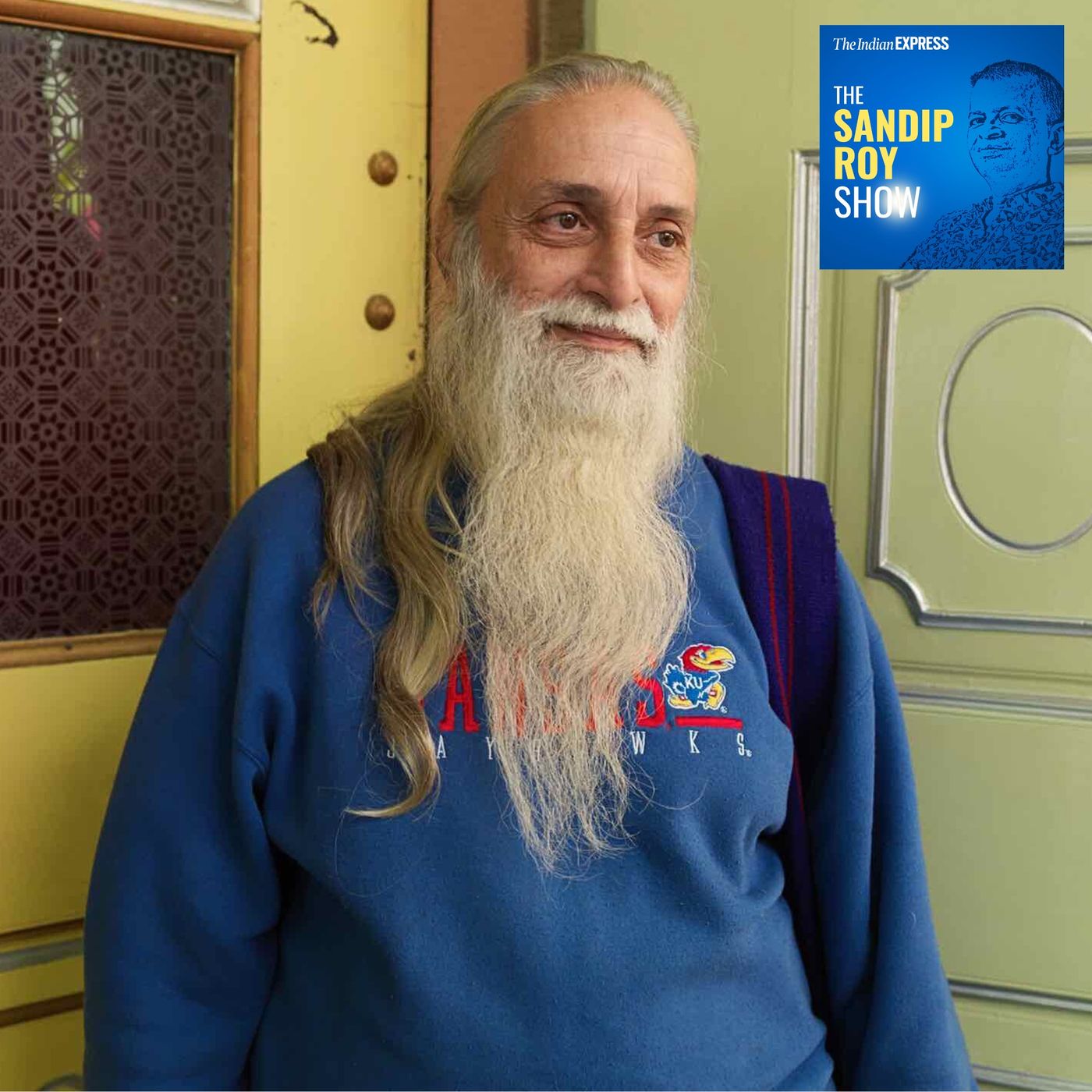
Hoshang Merchant, still a poster-boy for gay liberation at 75
In this special Pride Month episode, Sandip interviews Hoshang Merchant, a poet and writer who has never been shy about discussing love, sex, and religion. Born in 1947, Merchant has led a life that has taken him across the globe, from Mumbai to Los Angeles, and from Heidelberg to Jerusalem. In 1999, he edited the pioneering anthology of gay writing from South Asia titled ‘Yaaraan.’ Additionally,
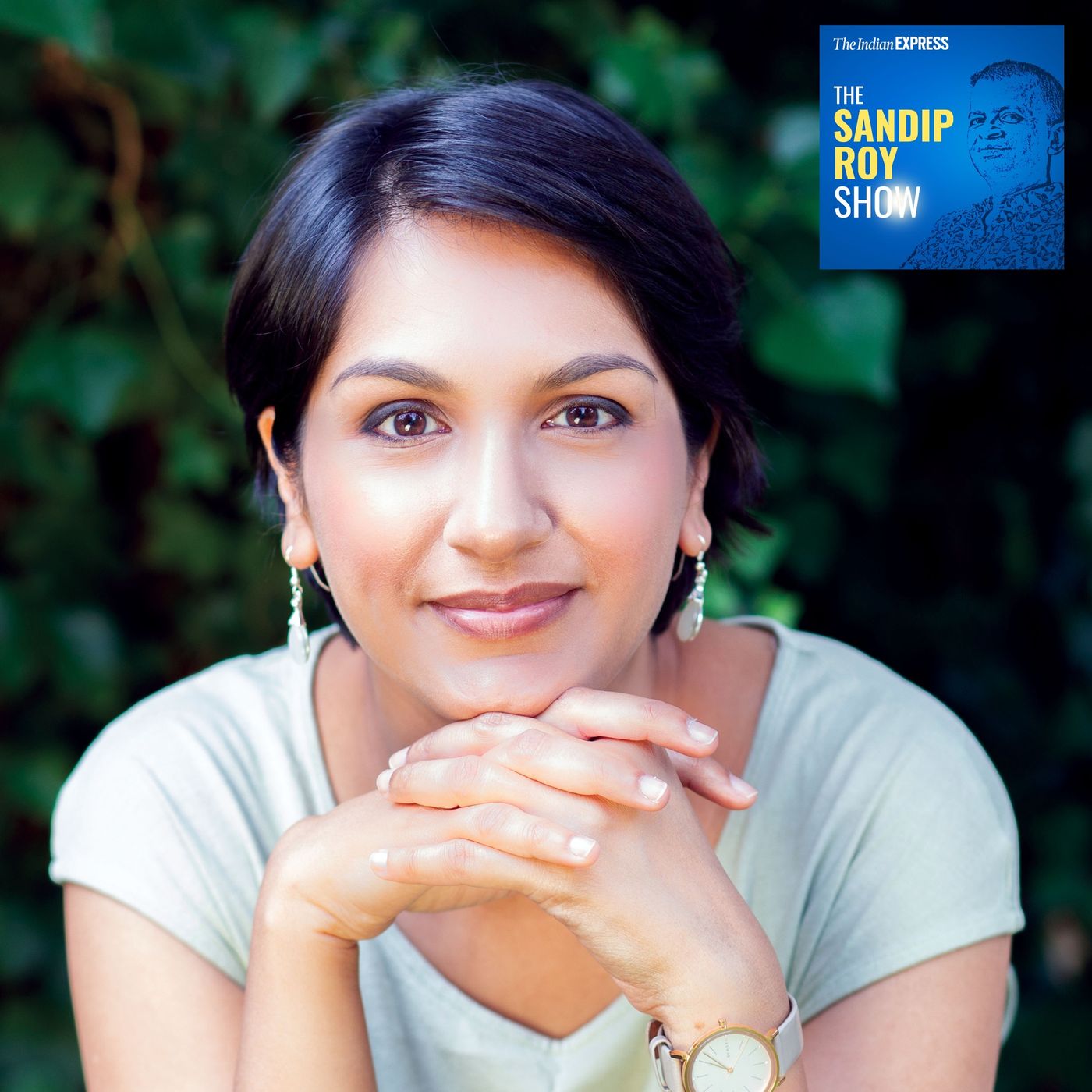
Angela Saini on why there is nothing ‘natural’ about patriarchy
Patriarchy seems like an entrenched fact today, and many argue that it is the 'natural' order of things. But is it? What do we really know about its roots? How did male domination spread across different societies and cultures? And what can science, history and archaeology tell us about it? These are the questions that science writer Angela Saini explores in her latest book, The Patriarchs: How Me
Ujjal Dosanjh on how Canada became a haven for Khalistanis
From taking on the Khalistan movement in Canada, and surviving an assassination attempt, to discussing multiculturalism (and why it is a double edged sword) and caste in Sikhism, in this episode Sandip Roy speak to Ujjal Dosanjh, the former Premier of British Columbia and federal minister — the first person of Indian origin to lead a government in the west.In this conversation, Dosanjh speaks abou
Chitra Banerjee Divakaruni on why a world without villains might be scarier
In this episode, host Sandip Roy interviews bestselling author Chitra Banerjee Divakaruni about her latest novel ‘Independence’, which tells the story of three sisters who are separated after the Partition of Bengal. They discuss her approach to storytelling, why women are the central focus of her work, her beginnings as a writer, and her belief that (for the most part) there are no villains in th
Writing Dalits back into history, with Yogesh Maitreya
In this episode, Sandip Roy speaks to Dalit poet and publisher Yogesh Maitreya and discusses his memoir Water in a Broken Pot, the experiences that led him to becoming a writer, and why he places his hope on the power of literature.Maitreya also speaks candidly about his beginnings, the alienation that Dalits often feel in academic spaces, and the pervasive nature of caste in Indian society and ho
Nilanjana Bhowmick on why men prefer wives in cages and daughters to fly
In her book, Lies Our Mothers Told Us, writer and journalist Nilanjana Bhowmick talks about how middle-class homes can be a laboratory for patriarchy, and the burden that women have to bear in India. In this episode, she joins Sandip Roy to talk about what inspired her to write the book, fighting patriarchy at home, the lack of women in public spaces, a possible solution to break the cycle of care
Nilanjana Roy on writing crime, eating books, and falling for Delhi
Writer and journalist Nilanjana Roy's new novel, Black River, is a police procedural set in a dusty little town in Northern India that revolves around the horrendous murder of an eight year old girl. In this episode, she joins Sandip Roy to talk about writing the book, why she likes killing in print, her adventures in reading, her advice for budding writers, and why Delhi is kinder than you think.
The documentary won, when will our elephants? ft Vivek Menon and Alok Gupta
What is the actual state of elephants in India? How many of them are currently in captivity, and what are the reasons for that? And what challenges do conservationists face in trying to help them? After the recent Oscar win of The Elephant Whisperers, Vivek Menon and Alok Hisarwala Gupta join Sandip Roy to answer these questions, and talk about the extent to which a documentary like this helps the
Manil Suri on how mathematics saved his life
The literary world may know him as the author of books like The Death of Vishnu, and The Age of Shiva, but Manil Suri is also a professor of mathematics at the University of Maryland, Baltimore County. And in his latest book, The Big Bang of Numbers, he writes about creating the universe in seven days using only maths. In this episode, he joins Sandip Roy to talk about the book, how maths helped s
Timepass or subversion? Ira Bhaskar and Ghazala Wahab on Pathaan's politics
Why did Pathaan become such a success? Is it just an action film or a 'daring act of subversion'? And what does it say about the role of Muslims in Hindi films? In this episode, host Sandip Roy talks to Professor Ira Bhaskar, and author Ghazala Wahab about the depiction of Muslims in Hindi cinema, and how it changed over the years according to the changing politics of the country.Ira Bhaskar is Pr
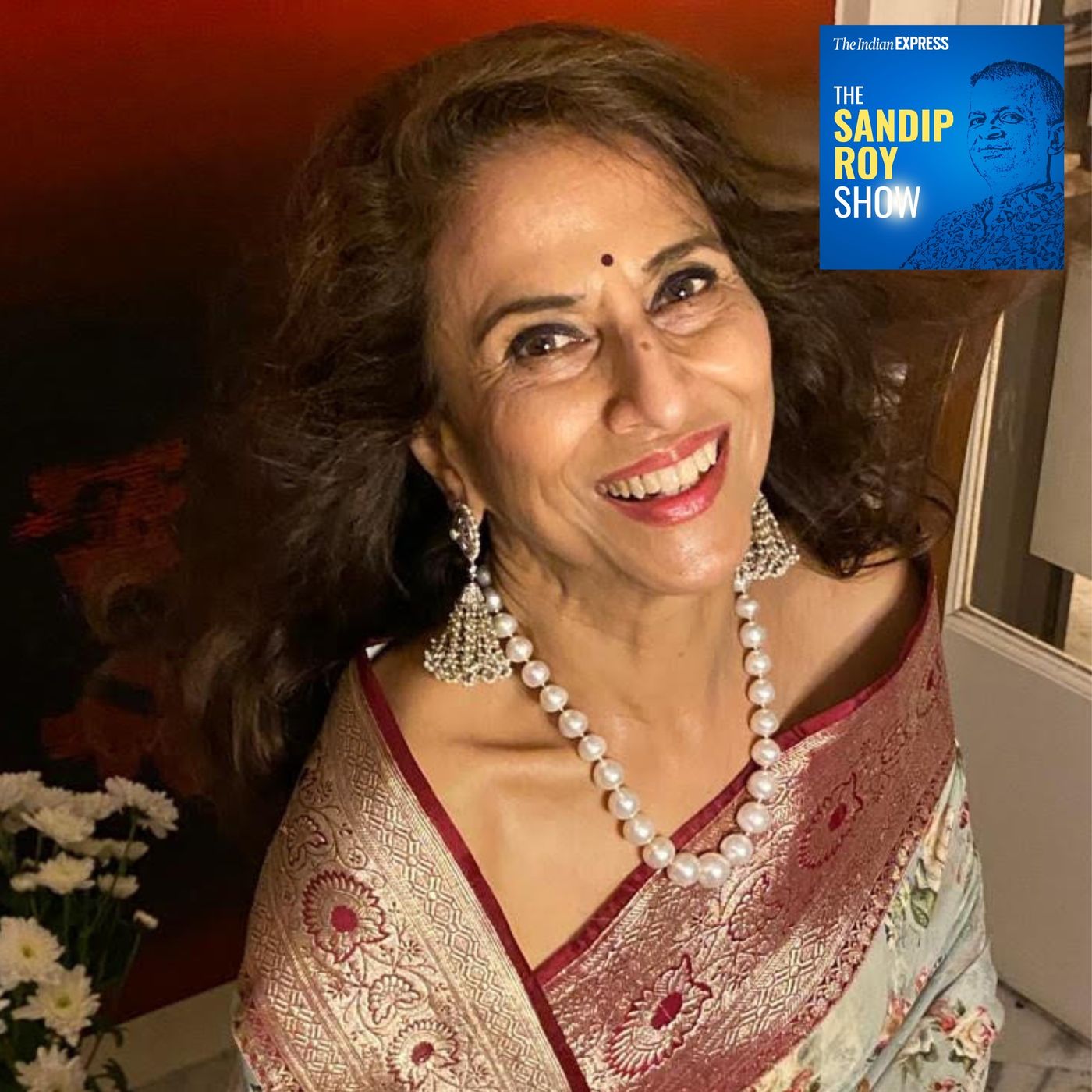
Why Shobhaa De Remains Insatiable at 75
In this episode, host Sandip Roy talks to the novelist and columnist Shobhaa De about her recently released memoir 'Insatiable' — from her early modelling career and how she developed her writing style, to her past controversies and her reaction to Pathaan.Produced by Shashank BhargavaEdited and mixed by Suresh Pawar
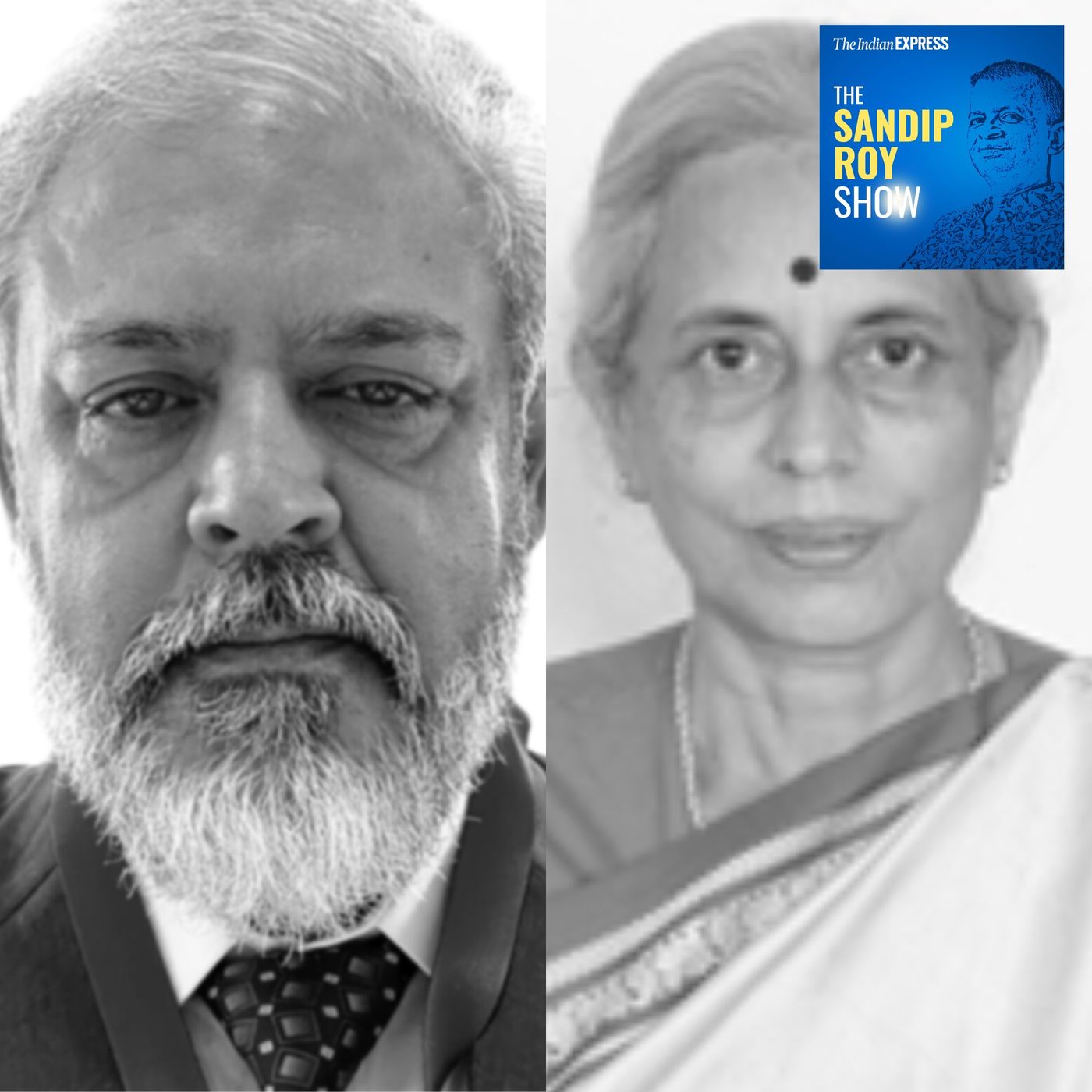
No country for the elderly, with Himanshu Rath and Indira Jai Prakash
Who is taking care of India’s elderly? UN statistics project that 48 million Indians will be over the age of 80 by 2050. That’s more than the population of California. But is India ready for that? In this episode, host Sandip Roy speaks to Himanshu Rath and Indira Jayaprakash about the lack of elderly care facilities in the country, the issue of accessibility and the impact of Covid, changing fami
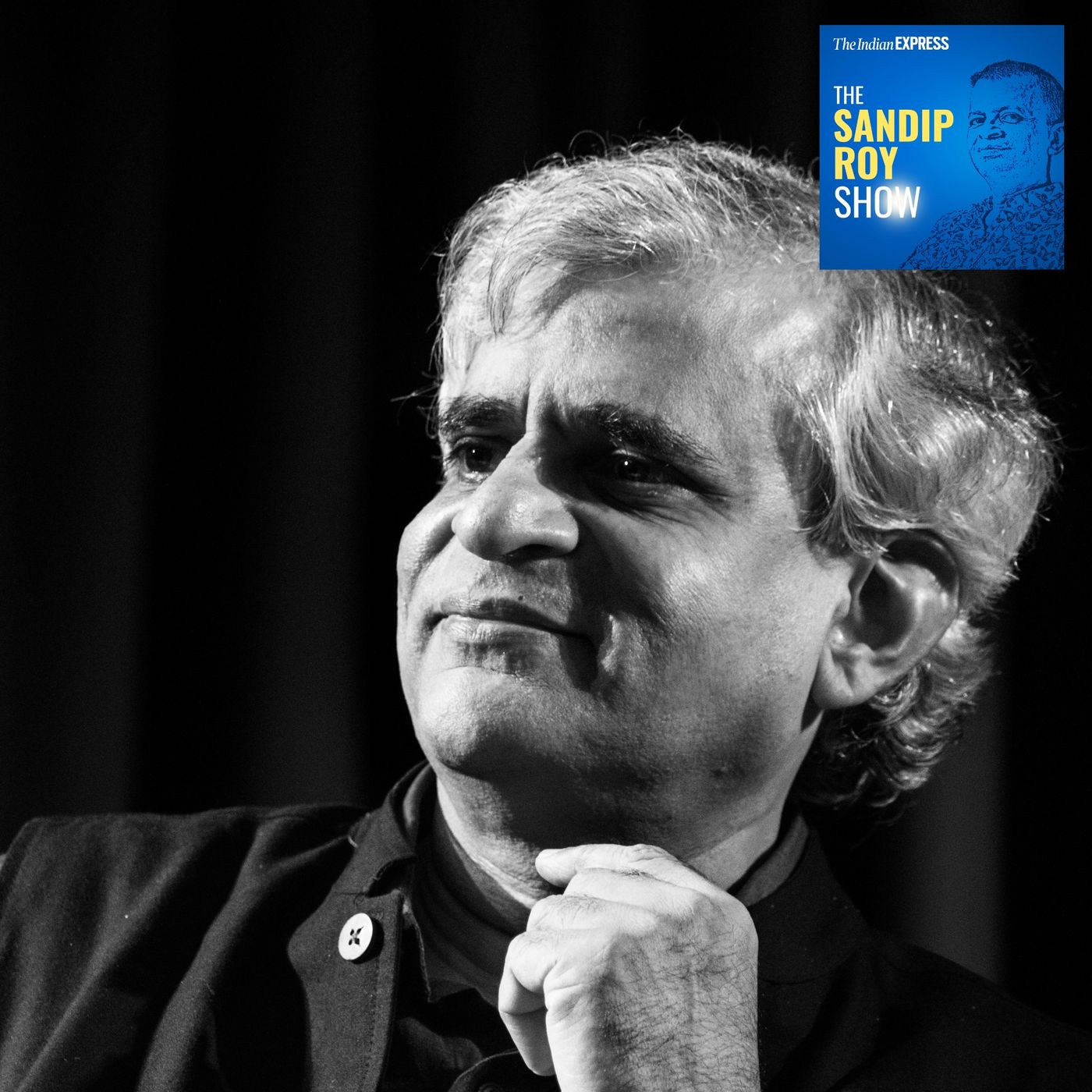
P Sainath on the freedom fighters India forgot
In this episode, Sandip is joined by veteran journalist and the founding editor of People’s Archives of Rural India (PARI) to talk about his book, The Last Heroes: Foot Soldiers of Indian Freedom, which tells the incredible stories of freedom fighters who still have not been recognized for their contribution and struggle.Episode image credit: Bharat TiwariProduced by Shashank Bhargava and Utsa Sar
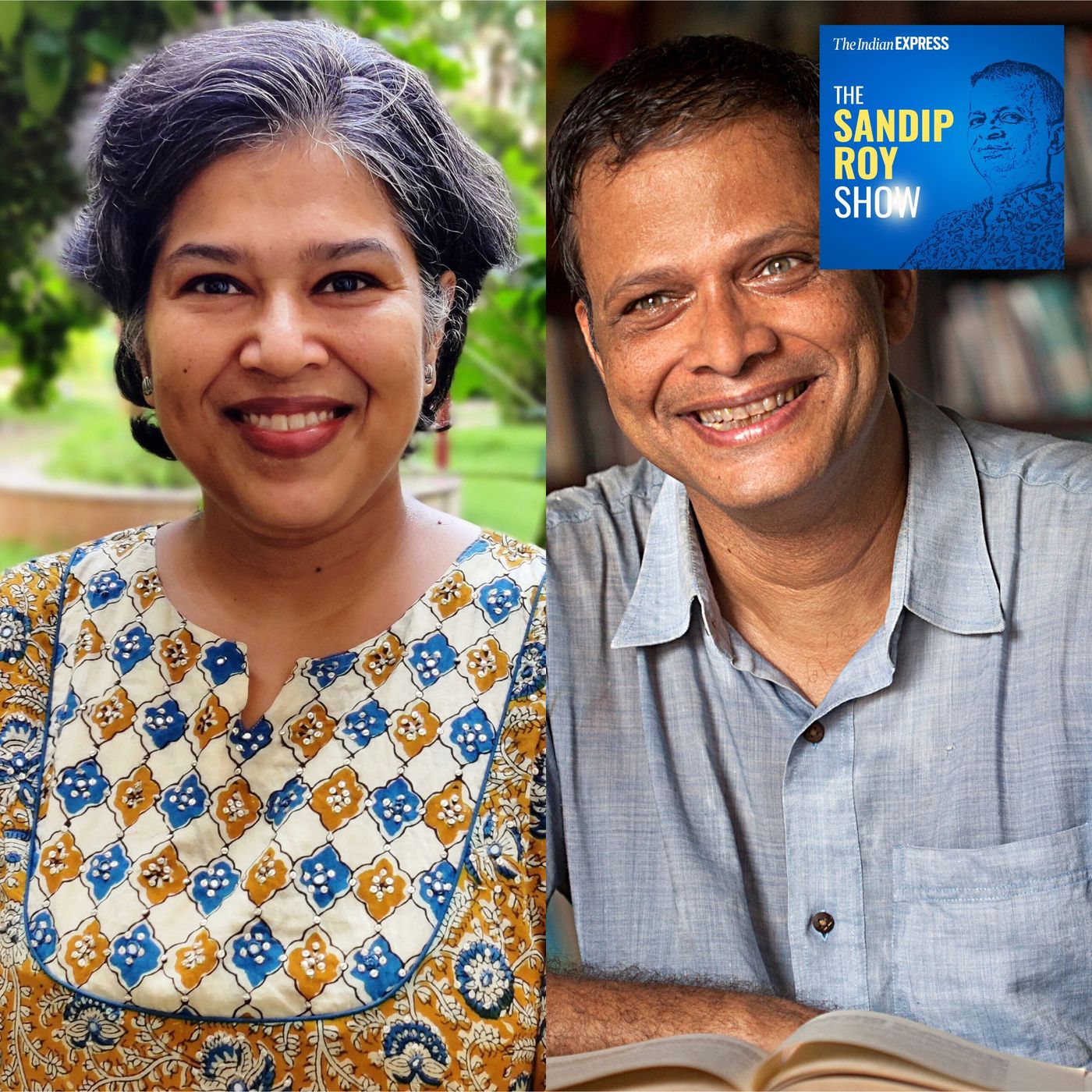
50 shades of Christmas in India, with Jerry Pinto and Madhulika Liddle
In a new anthology titled, Indian Christmas, writers Jerry Pinto and Madhulika Liddle bring together essays that capture the many unique flavors of an Indian Christmas — from a village in Nagaland, to Bow Barrack in Kolkata, and from churches to Goa to even rural Jharkhand. In this episode, they join host Sandip Roy to talk about what is really unique about Christmas in India.(Cover image of Jerry
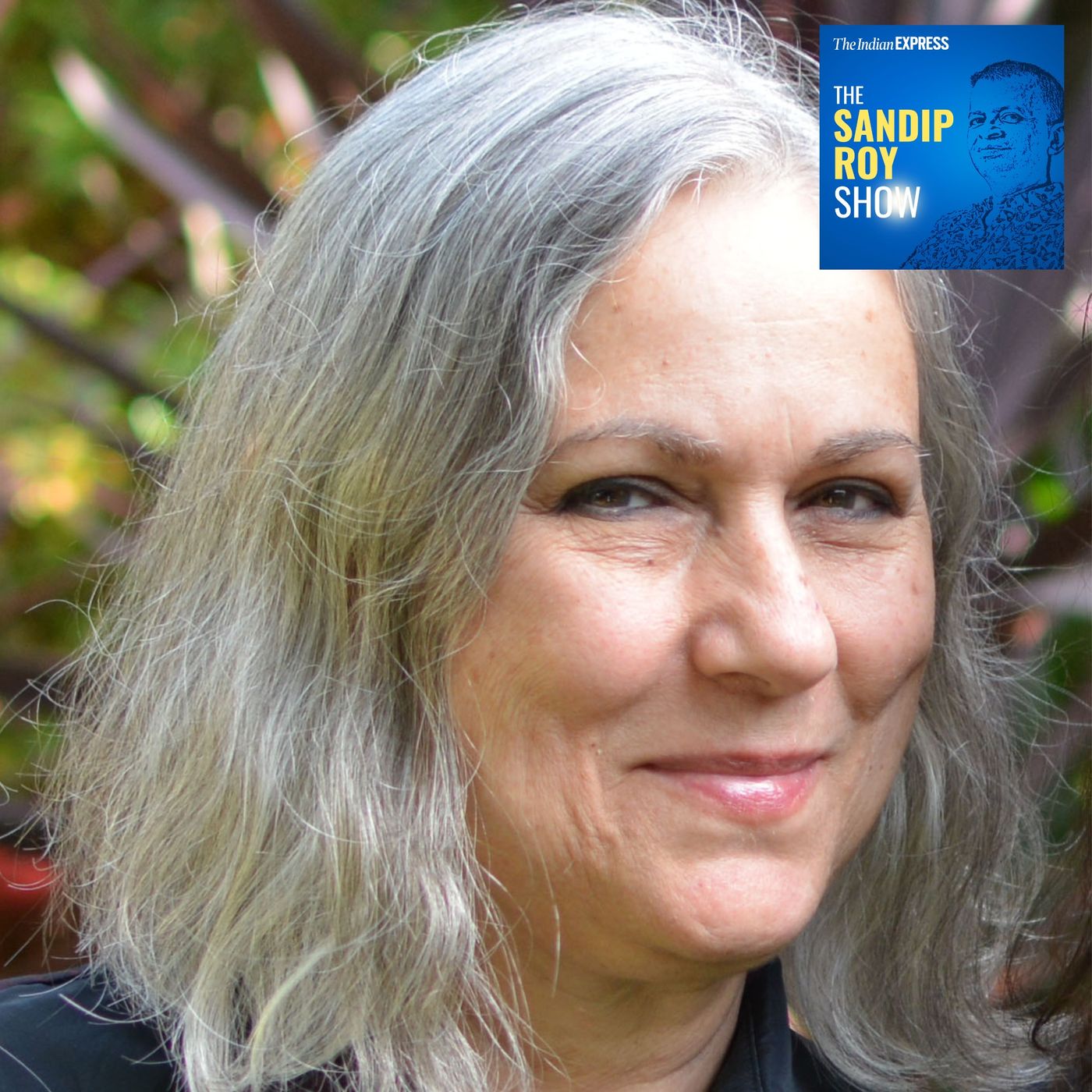
What Indian languages say about who we are, with Peggy Mohan
What makes Indian languages different from other ones? We all know about a mother tongue, but is there also a father tongue? Why did invaders from Uzbekistan bring us Persian? And will English cannibalise every other language or is the future of Indian languages something like Hinglish or Nagamese? In this episode, host Sandip Roy talks to Peggy Mohan about her book, 'Wanderers, Kings, Merchants',
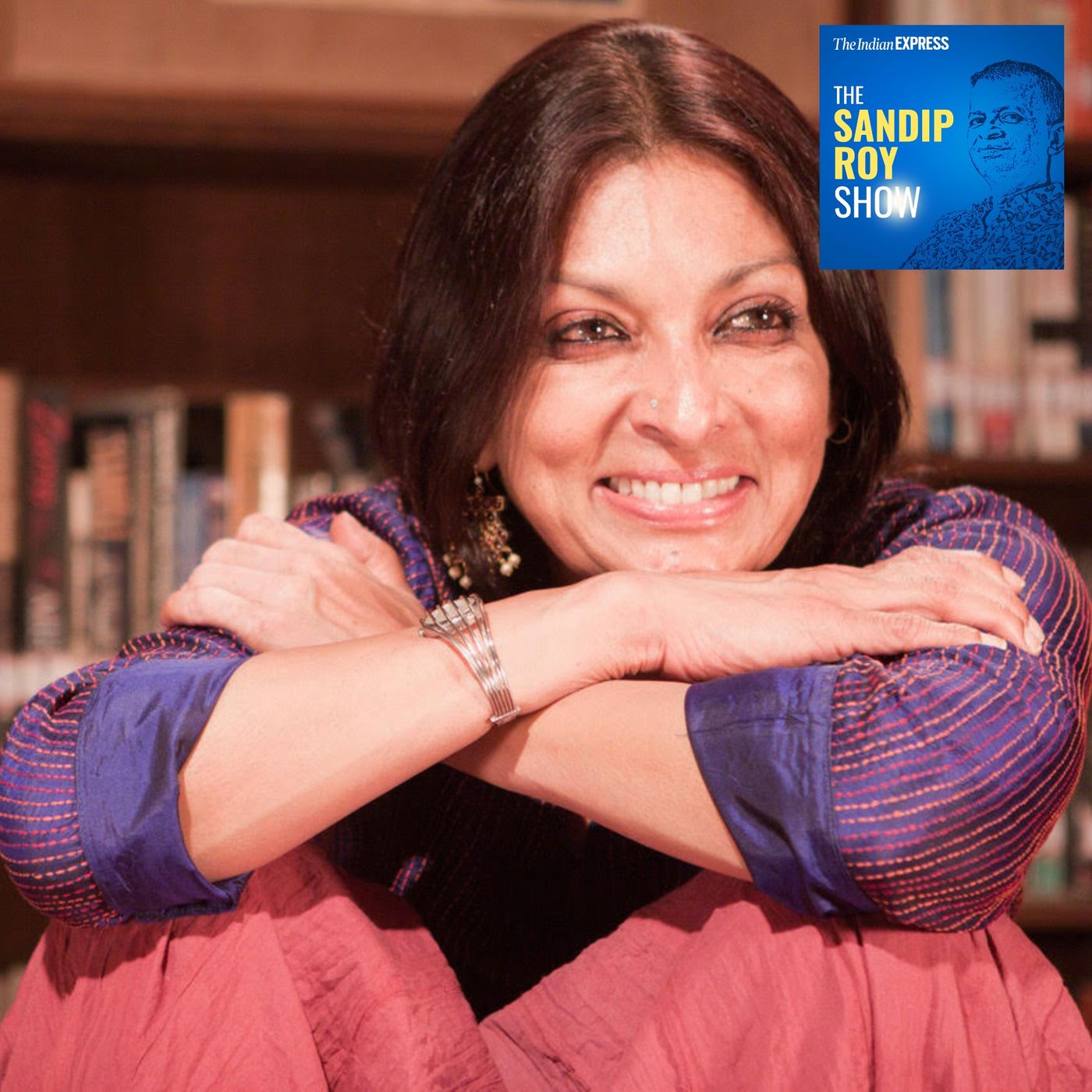
Why Mallika Sarabhai isn't shy of taking the alternative path
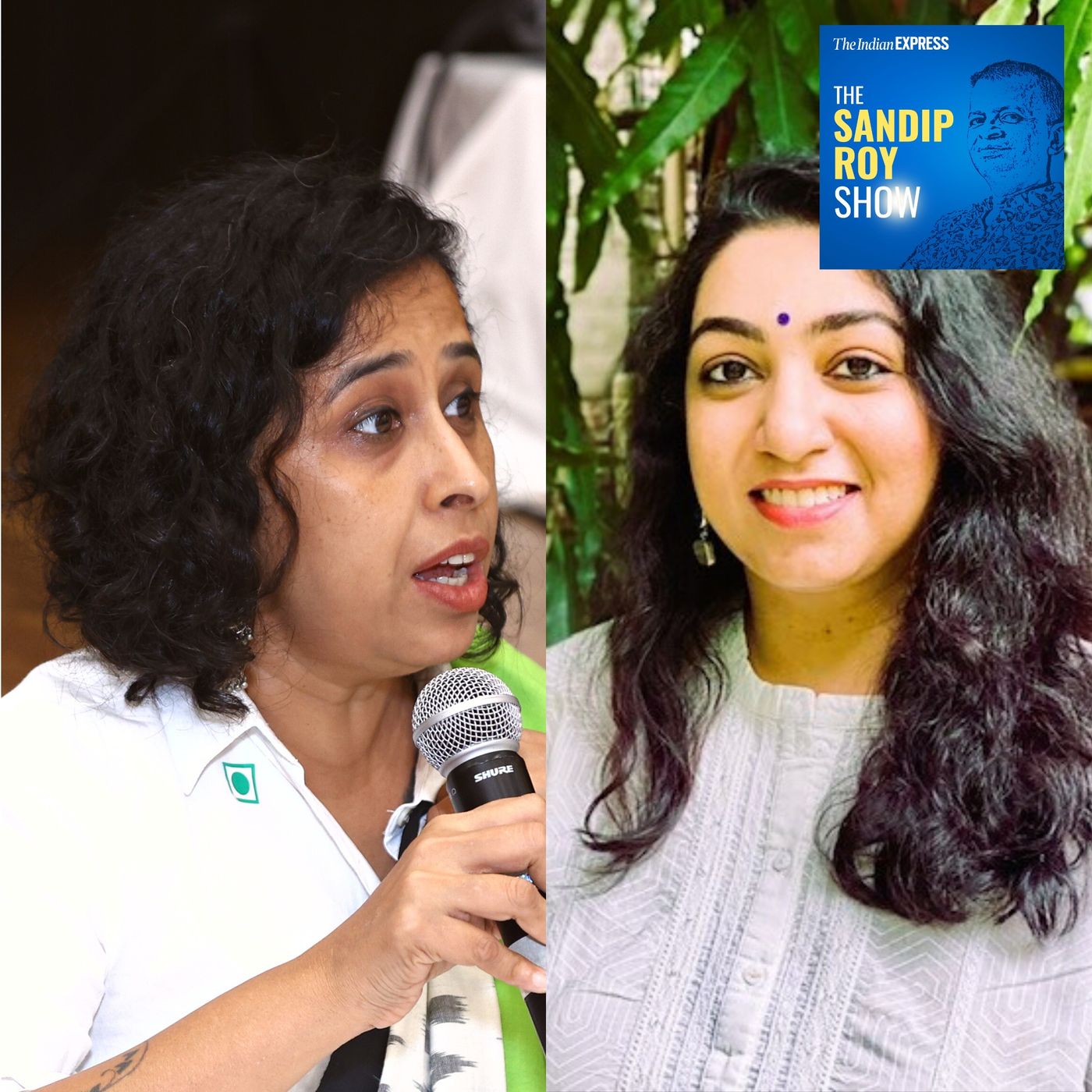
Changing the way we talk to kids about sex, with Reema Ahmad and Ramya Anand
When it comes to sex education, there are many questions that don't have easy answers. Like, who should do it? Should it be parents or schools? And when should you do it? And should it just be about the reproductive system or infections or abstinence? Or should it also include pleasure? In this episode, host Sandip Roy talks to Reema Ahmed and Ramya Anand who have been trying to figure out the ans
Recommended

Z Talks

Selection Academy - Lectures on Law

Manorama INDIA FILE

The Emmie Podcast

India Travel Podcast with Arjun Mehta

Tower Tales - ATC Podcast

Padhaku Nitin - World Affairs Podcast

Capitalmind with Deepak & Shray

विवेचना

Buddha's Stories: Self-Help, Mental Health and Psychology

Chanakya Niti

Stories From the Quran by Meera'n Malik
