
The Discover India Podcast by Professor Pankaj Jain: Bhārat Darśan
Bhārat Darśan: The Discover India Podcast explores Indian culture, classical music, sustainability, and Hindu, Buddhist, and Jain studies. Hosted by Dr. Pankaj Jain, director of The India Centre at FLAME University, the show also covers film and diaspora studies. Episodes feature conference presentations and webinars on topics like religion, ecology, and Bollywood.
Episodes
Arise, Walk, Arrive: Three Sanskrit Lines That Map a Whole Life
Three lines of Sanskrit, from three different texts written centuries apart: "Arise, awake" (Kaṭha Upaniṣad), "keep walking — caraiveti" (Aitareya Brāhmaṇa), and "you alone are my refuge — gatistvam" (Bhavānī Aṣṭakam). Read together, in order, they stop being scattered quotes and become a single map of a life: wake, walk, arrive.I trace all three back to their sources — including what Vivekananda'
Raksha Bandhan and Sanskrit Day Are the SAME Day — That’s Not a Coincidence
Raksha Bandhan and World Sanskrit Day fall on the same day this year — and it's not a coincidence. Rakṣā-bandhana literally means "the bond of protection" (rakṣ, to guard + bandhana, to bind) — and the same full moon, Śrāvaṇa Pūrṇimā, is the day the old Sanskrit schools began their study year, which is why it's now World Sanskrit Day.The thread that protects a person and the day that protects a la
Onam: “Kerala’s Biggest Festival Celebrates a ‘Demon’ King — Here’s Why”
Kerala’s biggest festival honors Mahābali — a king the texts call an asura, whom the people call their greatest ruler. Vāmana’s three steps, a kingdom surrendered, and one wish granted: to come home once a year. Onam — whose very name descends from the star Śrāvaṇa — is that homecoming. A scholar’s quick decode.#Onam2026 #Thiruvonam #Onam #Mahabali #Maveli #Kerala #Vamana #avatarthreesteps #Trivik
Why India Has Two Official Names — in One Sentence of the Constitution
“India, that is Bharat, shall be a Union of States.” The Constitution’s very first sentence carries two names — one born from a river seen from outside (Sindhu → Hindu → Indos → India), one from a lineage remembered from within (Bharata, from the root bhṛ: to bear, to carry). This Independence Day, a scholar’s quick decode of what each name actually says.#IndiathatisBharat#Bharatmeaning#Indianameo
Homer and the Rigveda Use the Same Word for Fame — Kléos & Śravas
English took one word from Homer's Odyssey — odyssey, "the long journey out." But the word that poem is really about has a Sanskrit twin.Greek kléos and Sanskrit श्रवस् (śravas) are the same inherited word, from a root meaning "to hear": fame was never what you achieved, it was what was said about you. Homer's kléos áphthiton and the Rigveda's श्रवः अक्षितम् (śrávaḥ ákṣitam) both reach for "imperi
Friendship Day & the Gita: What Krishna Teaches Us About True Friends
On Friendship Day, we turn to the oldest wisdom on what real friendship means — the Bhagavad Gita.Krishna didn't rescue Arjuna from the battlefield or hand him easy answers. He stayed beside him in the chaos and helped him find his own clarity. And Sudama, the poor Brahmin who arrived with nothing but a fistful of rice, left with everything — because true friendship keeps no ledger.In this episode
The Hymn That Takes Away Everything You Depend On | Gatistvam, Decoded
Not your father. Not your mother. Not your wealth. Not even your knowledge. The Bhavani Ashtakam — traditionally attributed to Adi Shankaracharya — opens by stripping away everything we lean on, and ends every single verse the same way: gatistvam gatistvam tvameka Bhavani. You alone are my refuge.The real surprise sits inside one word. "Gati" comes from the Sanskrit root for "to go" — and it holds
"Guru" Doesn't Mean Teacher. It Means Heavy. | Guru Purnima, Decoded
You say it constantly — tech guru, business guru — but the Sanskrit word guru doesn't mean teacher. It means HEAVY, and it shares an ancient root with the English word gravity. This Guru Purnima, a scholar's decode of the word, the day, and the guru–śiṣya paramparā: how India transmitted entire libraries mouth-to-ear for a thousand years before printing, why the archetypal guru is a compiler named
Why a 500-Year-Old Hindu Sect Sent Salman Khan to Jail
539 years ago, a guru in the Rajasthan desert gave his followers a code: never cut a living tree, never kill an animal. In 1730, 363 Bishnois were beheaded rather than let a king's men fell their sacred khejri trees. That same vow is why Bollywood's biggest star, Salman Khan, has spent 25 years fighting a case he can't defeat.This episode decodes the Bishnois — India's original environmentalists —
The Ride Home — Bahuḍā Yātrā & Suna Beṣa
English kept one word from India's biggest chariot festival — "juggernaut," the unstoppable chariot rolling out. But it only kept half the story. Today is Bahuḍā Yātrā, the return journey: Jagannath rides home, pausing at his aunt's temple for a humble fire-scorched rice cake. And the next evening comes Suna Beṣa — from Sanskrit suvarṇa (gold) + veṣa (attire) — the golden attire that temple tradit
Aagaman: Why India Named a Rocket Launch "The Arrival"
A rocket is built to leave the Earth — and Skyroot named its mission Aagaman: "the arrival."On July 18, 2026, Vikram-1 became the first privately developed Indian rocket to reach orbit, lifting off from the First Launch Pad at Sriharikota and reaching a 450 km orbit about 15 minutes later. India became the third country — after the US and China — where a private company has achieved orbital launch
Why Chess Is Actually Indian | World Chess Day
Chess was born in India, not as a metaphor, literally. The game began as chaturanga (चतुरङ्ग): chatur, “four,” anga, “limbs” — the four divisions of an ancient Indian army: elephants,chariots, cavalry, and infantry.The earliest secure reference is in Bāṇa’s Harṣacarita, around 625 CE. From Gupta-era India, the game traveledto Persia as shatranj, then to the Arab world and Europe. And the journey i
A billion people, zero FIFA World Cup?
A billion people. Zero World Cup appearances. And the reason we all repeat — that FIFA banned India for playing barefoot — isn't the one historians accept.In 1950, India qualified for the World Cup in Brazil, but withdrew due to the cost of the trip, insufficient preparation, and a federation that valued the Olympics more. And the myth gets one thing backward: India DID play barefoot, brilliantly,
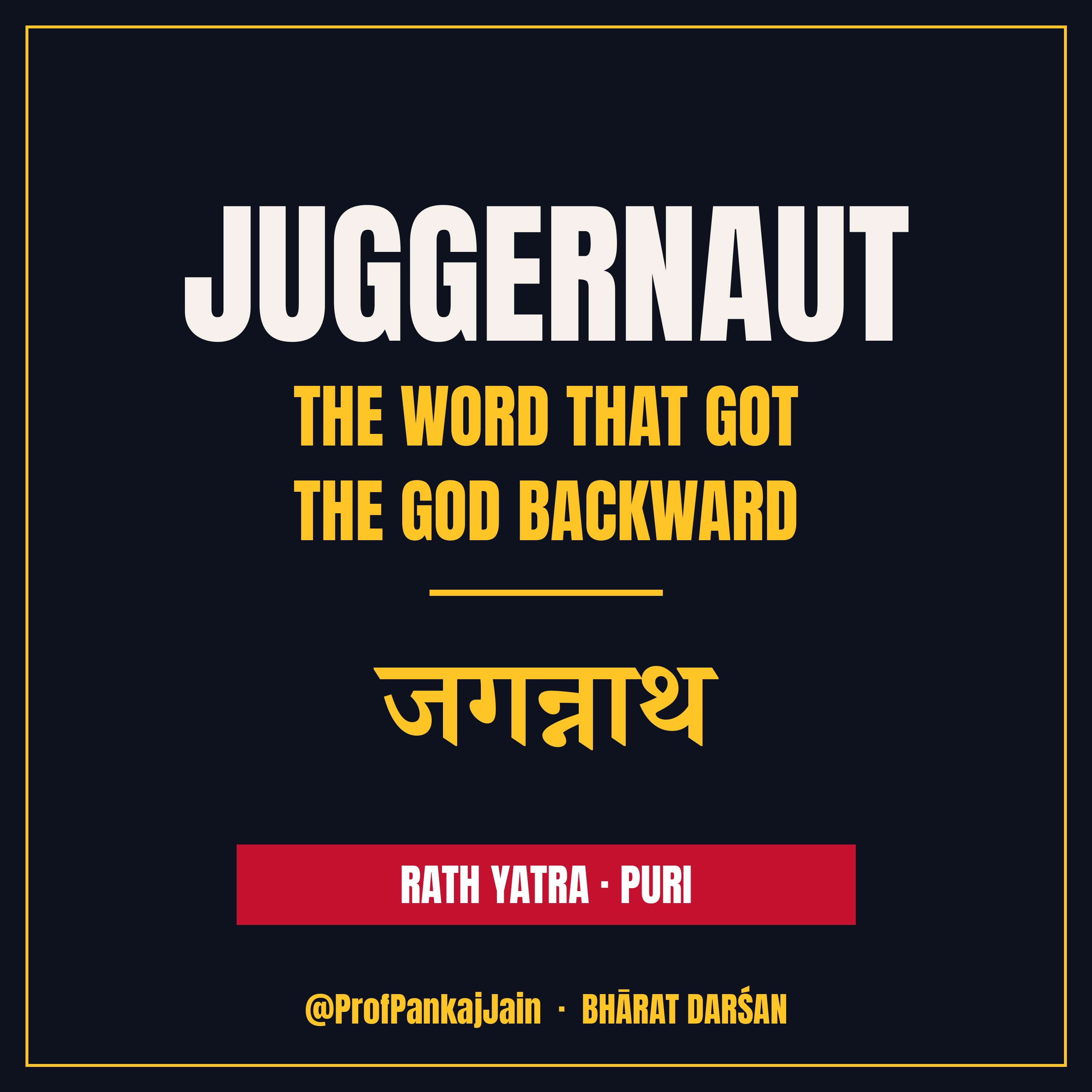
Juggernaut: The Word That Got the God Backward | Rath Yatra Decoded
You use the word every week — juggernaut: an unstoppable, crushing force. It comes from Jagannātha, "Lord of the Universe," whose chariot festival rolls through Puri, Odisha, today.For centuries, traveler and missionary accounts — from the 1300s through the British era — claimed devotees threw themselves under the massive chariot wheels, and that image hardened into the English word. Historians re
Āṣāḍha Amāvasyā: When the Moon Disappears, Turn Inward
Today is Āṣāḍha Amāvasyā — the new moon. When the moon disappears from the night sky, our dhārmic traditions read it as an invitation to turn inward: just as the outer light fades, we are invited to discover our inner light.In this short reflection, I share what the Bhagavad Gītā teaches about cultivating a steady mind, and the Jain reminder that true purification comes from examining our own thou
The Oldest Motivational Quote in the World — And Everyone Names the Wrong Source (WALK · Charaiveti)
"Charaiveti, charaiveti" — keep walking — may be the oldest motivational line in the world, and it is almost universally misattributed to the Upanishads. It comes from the Aitareya Brāhmaṇa, in the story of prince Rohita: Indra tells him the fortune of the one who sits, sits, and the fortune of the one who walks, walks. And the part almost nobody quotes maps the four yugas onto the human body — sl
"Arise, Awake" — The Warning the Famous Quote Leaves Out | Kaṭha Upaniṣad 1.3.14
"Arise, awake, and stop not till the goal is reached" is one of the most quoted lines in modern India — but only the first half comes from the Kaṭha Upaniṣad. Verse 1.3.14 reads उत्तिष्ठत जाग्रत प्राप्य वरान्निबोधत (uttiṣṭhata jāgrata prāpya varān nibodhata): arise, awake, approach the wise, and truly learn. "Stop not till the goal is reached" is Swami Vivekananda's own expansion — he was preachin
Jekyll & Hyde vs. the Bhagavad Gita: Who Got the Monster Right?
In 1886, Robert Louis Stevenson gave the West its defining story of the divided self — Dr. Jekyll drinks a potion to split the monster from the man, and the severing destroys him. The Bhagavad Gita's 16th chapter, the daivāsura-sampad-vibhāga, had mapped the same divide long before: the daivī and the āsurī, the divine and demonic dispositions in every person. Fearlessness, restraint, truthfulness,
Why Tesla Described the Universe in Sanskrit
Nikola Tesla was born 170 years ago today — July 10, 1856. In 1896, in New York, he met Swami Vivekananda, and by Vivekananda's own letter from that year, Tesla was charmed by two Vedantic concepts: akasha, the all-pervading substance of space, and prana, the energy moving through it. Tesla hoped to demonstrate mathematically that matter and energy are reducible to one another. He never completed
The Ramayana Never Left Indonesia — Prambanan & the Kakawin Rāmāyaṇa
Prambanan (9th century; a UNESCO World Heritage Site) is Indonesia's largest Hindu temple complex, raised for Shiva, Vishnu, and Brahma. Around the time it rose, Javanese poets re-wrote the Ramayana in their own language — the Kakawin Rāmāyaṇa, Old Javanese, not Sanskrit. And since 1961, in the shadow of those spires, Javanese artists have staged the Ramayana ballet night after night — in what bec
Gita 2.48 — Deadline Stress का Sanskrit जवाब | योगस्थः कुरु कर्माणि S
Deadline पर panic होता है? 2,000 साल पहले श्रीकृष्ण ने इसका जवाब दिया — भगवद्गीता 2.48.योगस्थः कुरु कर्माणि सङ्गं त्यक्त्वा धनञ्जय।सिद्ध्यसिद्ध्योः समो भूत्वा समत्वं योग उच्यते॥"Established in yoga, perform your duties with equanimity" — संतुलन में रहकर काम करो, सफलता और असफलता को एक जैसा समझो। यही समत्व है, यही योग है।घबराया हुआ मन खराब निर्णय लेता है। Equanimity सिर्फ एक spiritual idea नहीं — ये
What Is "Captain Cool" in Sanskrit? Dhoni at 45 and the Gītā's Sthitaprajña
MS Dhoni turns 45 today — and the calm the world calls "Captain Cool" has a 2,000-year-old name. In the Bhagavad Gītā (2.54–72), Krishna describes the sthitaprajña — the person of steady wisdom, unshaken in sorrow, not grasping in success, free of fear and anger. A packed stadium in the final over is the modern echo of the battlefield where Arjuna first asked how such composure is possible.But the
The Dalai Lama's Buddhism Is Indian — The Nalanda Tradition
The Dalai Lama turns 91 — and he consistently describes his tradition not as Tibetan but as the Nalanda tradition of India: the lineage of Nāgārjuna's middle way and Śāntideva's Bodhicharyavatara, born at the ancient university in Bihar. When invasions destroyed Nalanda and Buddhist learning faded from India, Tibet preserved that library — texts, debates, and practices — for a thousand years. In 1
From Śarkarā to Sugar — The Ancient Indian Word in Your Fuel Tank
India's internet is arguing about E20 petrol — the 20% ethanol blend. That "E" is ethanol, and ethanol comes from sugarcane. Which makes it, quietly, one of the most Indian things in your tank.In this short Bhārat Darśan decode, I trace how the Sanskrit word śarkarā — which first meant "gravel," for the shape of the crystals — traveled the world: Persian shakar → Arabic sukkar → Latin succarum → E
Two Kinds of Freedom: Vivekananda and the Fourth of July
Every Fourth of July, the world remembers a nation declaring its freedom. There is a second kind of freedom tied to the same date.On July 4, 1902, Swami Vivekananda passed away — the monk who, nine years earlier, had introduced Vedanta to the West at the Parliament of Religions in Chicago. The freedom he spoke of was not political. It was moksha: the liberation of the spirit.And four years before
Fakiri — The Seeker's Search | A Poem in Kabir's Spirit
"मन लागो मेरो यार, फ़कीरी में" — my heart is set, O friend, on the fakir's way.Fakiri isn't poverty. It's vairagya — the freedom of wanting nothing and belonging to all; not renouncing the world, but holding it lightly. A short poem of search and surrender, in the spirit of Kabir: beyond the stars, there is something each of us must find.Fakiri (in translation below, original

India Had Surgeons 2,000 Years Ago — The Roots of Doctors' Day #Shorts
July 1 is India's National Doctors' Day — marked on the anniversary of Dr. B.C. Roy, Mahatma Gandhi's physician. But India's story of healing runs far deeper.In this short reflection: Dhanvantari, venerated as the divine physician; Suśruta, whose Saṃhitā describes surgery; and Charaka, who bound the physician to an oath of compassion centuries before the modern one. Here, medicine was never just a

Qataraa — A Single Drop That Wants to Be the River | #ProfPankajKavita
A single drop refused to stay a drop.Qataraa (क़तरा) is an original Urdu poem by Prof. Pankaj Jain, written in conversation with Gulzar's "Qatra Qatra" from the film Ijaazat (1987). Where the classic savors love arriving slowly — drop by patient drop — this poem answers back: a drop not content to be sipped, but burning to become the whole river."Qismat se mila hai ek qataraa-e-shabnam,ise gahare
Bengal's Egg War: What "Sattvik" Really Means
A boiled egg has become a political flashpoint in Bengal — they're calling it "Dimocracy." But the word at the center of it, sattvik, isn't political at all. In this short decode, I trace the origins of the idea of "pure" food: the Bhagavad Gita's threefold classification of food (sāttvika, rājasika, tāmasika) and the Chandogya Upanishad's striking claim that "the mind is made of food." The deeper
🌾 मिट्टी और सोना · MITTI AUR SONA — "Soil and Gold"
🌾 मिट्टी और सोना · MITTI AUR SONA — "Soil and Gold"I had just landed in America. At a party, an NRI stood and recited a poem mocking India. I said nothing that night — I went home and wrote this instead. Nearly thirty years on, it's still the poem I love most.My homeland lives in the memory of its soil; this new land is known by the shine of its gold… That land is the wellspring of every tongue, e

Finding Your Roots: Prof. Pankaj Jain on Dharma and Identity (Part 1)
What happens to a generation that does yoga and celebrates Diwali — but couldn't tell you what the Gita actually says?In Part 1 of this conversation, Indologist Prof. Pankaj Jain sits down with Shailee Prajapati to talk about reconnection: his own leap from a computer science career into the study of Indian traditions, why so many second-generation Indians come to feel like "a guest in th
Ardhanarishvara in 75 Seconds
Ardhanarishvara is more than devotional imagery. It is a sculpted metaphysical thesis on the unity of consciousness and energy. This short explores the philosophical depth of Shiva–Shakti integration within Hindu thought and non-dual traditions.Indian iconography as ontology. Dharma as intellectual civilization.#InternationalYogaDay #Ardhanarishvara #ShivaShakti #HinduPhilosophy #SanatanaDharma #I
अग्नि · Agni, in homage to Dr. Harivansh Rai Bachchan's Agneepath
Starting a new series — my original Hindi & Urdu poems, each in conversation with the voices that shaped me. 🔥First up: अग्नि · Agni, in homage to Dr. Harivansh Rai Bachchan's Agneepath.बरसों पहले बच्चन जी की "अग्निपथ" ने राह दिखाई थी। यह मेरी अपनी "अग्नि" है — उन्हीं ज्वालाओं को नमन।From the land of fire I come, on the path of fire I walk. I am the child of fire-born warriors, the decree born
He Walked Barefoot for a Dream | Malaviya & BHU
Madan Mohan Malaviya’s inspiring journey of building Banaras Hindu University shows the power of vision, humility, and Dharma. From travelling across India to raising funds in the most unexpected ways, this story reminds us that great institutions are built on purpose, not privilege.#BHU #MadanMohanMalaviya #IndianEducation #Dharma #IndianHistory #Motivation #Shorts
ऋग्वेद का पुरुषसूक्त: प्राचीन स्थिरता का अद्भुत दर्शन
प्राचीन Rig Veda का Purusha Sukta मानव, प्रकृति और ब्रह्माण्ड के गहरे सम्बन्ध को प्रस्तुत करता है।इस सूक्त में वर्णित Purusha केवल एक पुरुष नहीं, बल्कि सम्पूर्ण सृष्टि का प्रतीक है—जिससे सूर्य, चन्द्रमा और पृथ्वी की उत्पत्ति बताई गई है।भारतीय दर्शन, विशेषकर Samkhya, इस विचार को आगे बढ़ाते हुए Prakriti और पुरुष के समन्वय से सृष्टि की व्याख्या करता है।आज के पर्यावरण संकट के समय में, यह वैदिक दृष्टि
Did Sanskrit influence the structure of the Periodic Table?
Did Sanskrit influence the structure of the Periodic Table?When Dmitri Mendeleev predicted undiscovered elements, he used Sanskrit prefixes such as “Eka.” Scholars have noted structural parallels between Panini’s grammatical system and Mendeleev’s tabular classification of elements. While no direct evidence proves deliberate borrowing, the intellectual environment of 19th-century Europe was deeply
Can AI create Consciousness? Indian Philosophy explains!
As AI companies race toward Artificial General Intelligence (AI), many assume consciousness will eventually emerge from computation. But Indian philosophical traditions — Vedanta, Samkhya, and Jain thought — challenge this assumption at its foundation.Is consciousness an output of complexity? Or is it ontologically primary? Dr. Pankaj Jain offers a Dharmic intervention into the AI debate.#AI #AICo
Why does the Ashoka Chakra in the Indian flag have 24 spokes?
The official Flag Code of India does not explain the number. It only says the Ashoka Chakra symbolizes Dharma and movement. But the number 24 is deeply significant in Jain Dharma, where 24 Tirthankaras guide humanity on the path of ahimsa and liberation.Could the 24 spokes symbolically reflect these 24 enlightened teachers?#AshokaChakra #IndianFlag #Tirthankaras #JainDharma #Mahavira #Rishabhanath
Mahāvīra & Gandhi | Nonviolence from Ancient India to the Modern World | Episode 12
Mahāvīra Biography Series | Dr. Pankaj JainThe Mahāvīra Biography Series explores the life, philosophy, and civilizational impact of Bhagavān Mahāvīra, the 24th Tīrthaṅkara of the Jain tradition and one of the greatest spiritual revolutionaries of India. Through research-grounded storytelling and global intellectual analysis, this documentary series situates Mahāvīra within the broader framework o
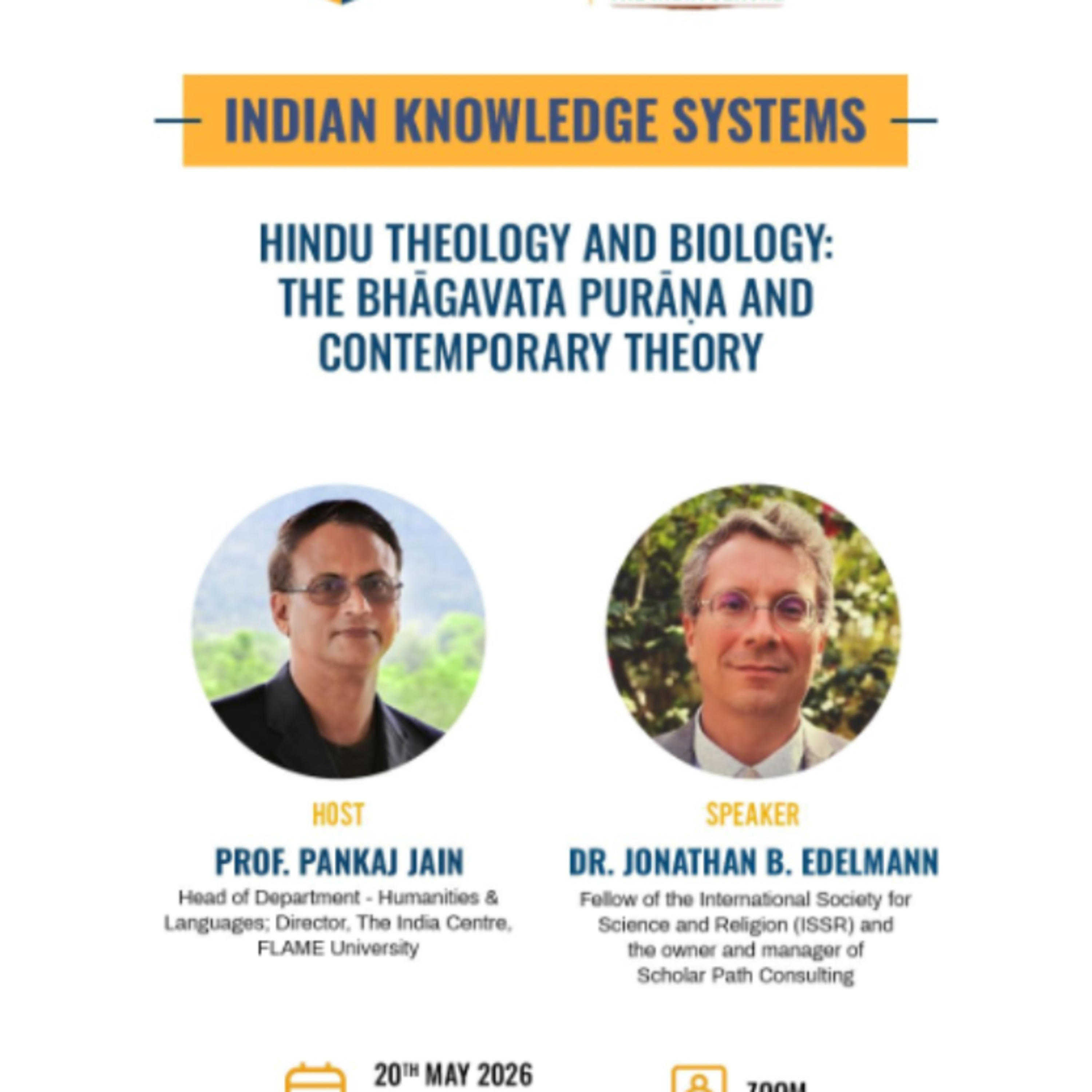
Hindu Theology and Biology: The Bhāgavata Purāṇa and Contemporary Theory
This webinar examines the relationship between Hindu thought and modern science through the lenses of history, integration, and innovation. Rather than asking whether a classical Hindu text can be reconciled with modern biology in a literal or reductionist sense, the book investigates how a sophisticated theological tradition can engage in constructive dialogue with contemporary scientific thought
Why Does the Priest Cover His Hand in Shiva Puja? The Deeper Dharma Meaning
Why do priests sometimes cover their hands while offering bilva leaves to Shiva? This video explains the deeper Dharma meaning behind this Agamic ritual practice — humility, ego-transcendence, purity, and sacred distance. Discover how Sanatana Dharma encodes philosophy into temple worship.#Shiva #SanatanaDharma #TempleRituals #Agama #BilvaLeaves #DharmaPhilosophy #HinduWisdom #IndianTraditions
Discover Dhruva Chatterjee — the brilliant screenwriter behind Hindi classics like Woh Kaun Thi.
Discover Dhruva Chatterjee — the brilliant screenwriter behind Hindi classics like Woh Kaun Thi, Bees Saal Baad, Kanoon, and Gumnaam—the Bengal-born storyteller who turned suspense into poetry.#DhruvaChatterjee #WohKaunThi #Gumnaam #ClassicBollywood #BollywoodWriters #HindiCinema #FilmHistory #DiscoverIndia
Mahāvīra in Dialogue | Jain Dharma, Buddhism & Vedic Traditions
The Mahāvīra Biography Series explores the life, philosophy, and civilizational impact of Bhagavān Mahāvīra, the 24th Tīrthaṅkara of the Jain tradition and one of the greatest spiritual revolutionaries of India. Through research-grounded storytelling and comparative analysis, this documentary series situates Mahāvīra within the broader framework of Dharma — a dynamic intellectual landscape shaped
Jainism Today | Diaspora, Global Influence & the Future of Dharma
The Mahāvīra Biography Series explores the life, philosophy, and civilizational impact of Bhagavān Mahāvīra, the 24th Tīrthaṅkara of the Jain tradition and one of the greatest spiritual revolutionaries of India. Through research-grounded storytelling and contemporary analysis, this documentary series situates Mahāvīra within the broader framework of Dharma — a living civilizational ethos shaping e
Jain Temples, Art & Patronage | Jainism in Medieval India | Episode 9
Mahāvīra Biography Series | Dr. Pankaj Jain The Mahāvīra Biography Series explores the life, philosophy, and civilizational impact of Bhagavān Mahāvīra, the 24th Tīrthaṅkara of the Jain tradition and one of the greatest spiritual revolutionaries of India. Through research-grounded storytelling and cultural analysis, this documentary series situates Mahāvīra within the broader framework of Dharma.
Frankenstein and Bhasmasura: The Same Warning from Two Civilizations
Is there a surprising connection between Mary Shelley’s Frankenstein and the Hindu myth of Bhasmasura? Both stories warn about the dangers of power without responsibility. This short explores a fascinating comparison between Western literature and Indian mythology.Through this lens, we see how ancient wisdom and modern science fiction sometimes share the same moral insight.#Frankenstein#MaryShelle
Digambara vs Śvetāmbara | The Great Jain Divide Explained | Episode 8
Mahāvīra Biography Series | Dr. Pankaj Jain The Mahāvīra Biography Series explores the life, philosophy, and civilisational impact of Bhagavān Mahāvīra, the 24th Tīrthaṅkara of the Jain tradition and one of the greatest spiritual revolutionaries of India. Through research-grounded storytelling and historical depth, this documentary series situates Mahāvīra within the broader framework of Dharma —
Earth Day 2026: Why Deep Ecology Isn’t Enough | Dharmic Ecology
Earth Day, April 22, 2026, invites us to rethink how we relate to nature. Western Deep Ecology argues that all life has equal value and that wilderness must be protected. But is that enough? In many Indian traditions, nature is not separate from human life—it is sacred. Communities like the Bishnois and sacred grove traditions have protected ecosystems for centuries through dharma, everyday ethics
Why Is There a Shiva Statue at CERN?
Why is there a Shiva Nataraja statue at CERN? This short explains the connection between Sanatana Dharma and modern particle physics at the world’s largest scientific laboratory. Discover how the cosmic dance of Shiva symbolises the dynamic universe studied at CERN’s Large Hadron Collider.#CERN #Shiva #Nataraja #SanatanaDharma #QuantumPhysics #IndianPhilosophy #ScienceAndSpirituality #Hinduism #Co
Negotiating Discipline: Askesis, Poetry, and Desire in Sri Aurobindo and Rabindranath Tagore
Late-Victorian and modernist writers have been famously preoccupied with ideas of personal and poetic discipline (or the lack thereof). How are such notions of askesis articulated within the global contexts of the twentieth century? This talk examines how two prominent twentieth-century writers—Sri Aurobindo and Rabindranath Tagore—engage with askesis in their works. Both writers were deeply fasci
Mahāvīra After Nirvāṇa | Jain Councils, Canon & the Spread of Dharma | Episode 7
Mahāvīra Biography Series | Dr. Pankaj JainThe Mahāvīra Biography Series explores the life, philosophy, and civilisational impact of Bhagavān Mahāvīra, the 24th Tīrthaṅkara of the Jain tradition and one of the greatest spiritual revolutionaries of India. Through research-grounded storytelling and historical analysis, this documentary series situates Mahāvīra within the broader framework of Dharma
Mahāvīra’s Nirvāṇa | Liberation, Karma & the Eternal Soul | Episode 6
The Mahāvīra Biography Series explores the life, philosophy, and civilisational impact of Bhagavān Mahāvīra, the 24th Tīrthaṅkara of the Jain tradition and one of the greatest spiritual revolutionaries of India.Through research-grounded storytelling and philosophical depth, this documentary series situates Mahāvīra within the broader framework of Dharma — a living civilisational ethos shaping ethi
The World’s Oldest “Don’t Be Fooled” Wisdom | April Fool’s Day
Is April Fool’s Day just about pranks, or does it reveal something deeper about human perception? In this 60-second #DiscoverIndia Short, Dr. Pankaj Jain connects April Fool’s Day with the Indian philosophical concept of Maya—the idea that reality can sometimes appear deceptive. Drawing from the Upanishads and Dharma traditions, this video explores how ancient Indian wisdom encourages us to look b
Why the Indian Diet Is the Most Sustainable in the World | WWF Study
A global analysis by the World Wide Fund for Nature found that the traditional Indian diet is among the most sustainable dietary patterns worldwide.Compared with meat-heavy diets, Indian food traditions rely on grains, lentils, vegetables, fruits, and dairy — resulting in a significantly lower environmental footprint.As we observe World Health Day, this insight becomes even more relevant. Healthy
Mahāvīra’s Twelve Years of Tapas | The Path to Kevala Jñāna
What does it take to conquer the self? In this episode of the Mahāvīra Documentary Series, Dr. Pankaj Jain explores the twelve extraordinary years of tapas (austerity) undertaken by Vardhamāna after his great renunciation — a period of intense discipline that culminated in Kevala Jñāna, absolute knowledge. This episode examines:• The meaning of tapas in the Dharmic traditions• Mahāvīra’s life as a
The Ramayana is Actually a Forest Story | Ecology in the Ramayana
Did you know the Ramayana is deeply connected with forests and ecology? Much of the epic unfolds in the forests of Dandakaranya and Panchavati, where Rama, Sita, and Lakshmana spend fourteen years in exile. This short explores the ecological dimension of the Ramayana and its message of dharma, harmony with nature, and respect for all life.#Ramayana #RamNavami #Ecology #IndianEpics #Dharma #IndianC
Discussing the new American Vedic Eco-Village and Related Topics
Discover the deeper meaning and significance of this powerful topic rooted in Dharma, Indian knowledge traditions, and timeless wisdom. In this video, we explore key insights, historical context, and practical relevance for today’s world.Whether you are a student of Indian philosophy, a seeker of spiritual knowledge, or simply curious about our rich heritage, this video will offer valuable perspec
The Rebel Poet Tagore Admired | Kazi Nazrul Islam
Kazi Nazrul Islam (1899–1976), known as the Rebel Poet, was one of the most influential literary voices of Bengal. His revolutionary poetry challenged British colonial rule and inspired the freedom movement. The Nobel laureate Rabindranath Tagore supported Nazrul during his imprisonment and dedicated his play Basanta to him. Nazrul’s message of justice and harmony echoed the spirit of India’s stru
India Has 12+ New Years! Why So Many?
India celebrates many regional New Year festivals based on ancient lunisolar and solar calendars. Ugadi, Gudi Padwa, Cheti Chand, Navreh, Sajibu Cheiraoba, Vishu, Puthandu, Baisakhi, Bohag Bihu, and Pohela Boishakh all mark the arrival of spring and renewal. These festivals reflect the Dharmic understanding of cyclical time found in Hindu and Jain traditions.#IndianNewYear #Ugadi #GudiPadwa #Cheti
International Day of Mathematics | Why March 14 is Pi Day | Ancient Indian Maths Explained
March 14 (3.14) is celebrated worldwide as the International Day of Mathematics, also known as Pi Day. But did you know that ancient Indian scholars were already exploring mathematical ideas related to pi centuries ago?In this video, Professor Pankaj Jain explains the significance of International Day of Mathematics, the importance of the number pi, and how ancient Indian mathematical traditions c
Mahāvīra’s Great Renunciation | The Making of a Tīrthaṅkara | Episode 2
What compels a prince to renounce power, privilege, and comfort in search of the ultimate truth? In Episode 2 of the Mahāvīra Documentary Series, Dr. Pankaj Jain explores the transformative moment of Vardhamāna’s renunciation — the decisive turning point that shaped him into Bhagavān Mahāvīra, the 24th Tīrthaṅkara of the Jain tradition. This episode examines:• The socio-political world of 6th cent
Bon Bibi and Ecofeminism | Sundarbans Forest Wisdom for International Women’s Day
Bon Bibi is the forest guardian revered in the Sundarbans region of India. For generations, local communities have invoked her before entering the mangrove forests, asking permission and pledging to take only what they need. This tradition reflects a deep ecological ethic that connects respect for nature with feminine authority. As the world celebrates International Women’s Day on 8 March, the sto
World Wildlife Day | Why India Is the Only Country With This Wildlife Combination
As the world observes World Wildlife Day on 3 March, India stands out as the only country where lions, tigers, elephants, leopards, rhinoceroses, cheetahs, bears, wild water buffalo, gaur, and dholes coexist in the wild. This extraordinary biodiversity reflects not only conservation efforts but also a deeper cultural tradition of coexistence with nature.#WorldWildlifeDay#IndianWildlife#Biodiversit
Mahāvīra’s Great Renunciation | The World Before the Awakening | Episode 1
This episode explores the historical and philosophical context of Mahāvīra, the 24th Tirthankara of Jain Dharma. Drawing on the Kalpa Sutra, the Acharanga Sutra, and historical scholarship, we examine the India that produced one of the most radical teachers of nonviolence in world history.Subscribe for a full 20-episode series on Mahāvīra and the evolution of Dharma.About the Presenter: Dr. Pankaj
National Science Day: Why Nobel Physicist Erwin Schrödinger Studied Vedanta
On National Science Day (28 February), we revisit an unexpected intellectual bridge. Nobel Prize–winning physicist Erwin Schrödinger engaged deeply with Vedanta and the Upanishads while reflecting on consciousness and reality. This short explores how Indian philosophical thought influenced a modern scientist’s worldview, without collapsing science into mysticism.National Science Day in India comme
Mahāvīra: Life, Liberation, and the Making of Dharma
Who was Mahāvīra beyond the icon?In this cinematic documentary series, Dr. Pankaj Jain explores the life, philosophy, and civilisational impact of Bhagavān Mahāvīra — the 24th Tīrthaṅkara of the Jain tradition and one of India's greatest spiritual revolutionaries.Episode 1 traces:• The historical India into which Mahāvīra was born• The political and intellectual ferment of the 6th century BCE• The
Shivaji and the Historical Meaning of Maharashtra | A Civilisational Perspective
This short examines the historical significance of Maharashtra and Shivaji Maharaj's role in transforming a regional identity into a sovereign polity. Drawing from inscriptional history, Sanskrit etymology, and early modern state formation, this episode situates Shivaji within a broader civilisational framework.Shivaji Maharaj, Maharashtra etymology, Swarajya, Raigad coronation 1674, Maratha state
Shivaratri and Sustainability | A Dharmic Ecological Reflection
What is the connection between Shivaratri and sustainability? In this brief reflection, we examine how Bhagavan Shiva, as Pashupati, symbolises ecological consciousness, minimal consumption, and harmony with nature.From sacred rivers to Himalayan asceticism, Shivaratri offers a profound Dharmic model of conscious living in an age of climate crisis.#Shivaratri #Sustainability #Dharma #HinduEcology
Raja Parva Odisha | Ancient Ecofeminism and Earth as Woman
Raja Parva is a unique festival from Odisha that treats the Earth as a living, feminine being. During this time, farming stops and women rest, symbolising the Earth’s menstrual cycle. Long before the term ecofeminism existed, Indian traditions, such as the Raja Parva, connected women, nature, care, and sustainability. This short explores how indigenous Indian festivals offer ecological wisdom for
The Poet Who Made Nehru Cry | Kavi Pradeep Birthday Tribute
Kavi Pradeep, born Ramchandra Narayanji Dwivedi in Badnagar, Madhya Pradesh, became one of India’s most influential patriotic lyricists. His 1943 song “Door Hato Ae Duniya Walo,” from the film Kismet, angered the British Raj and reportedly prompted attempts to arrest him. Two decades later, “Aye Mere Watan Ke Logon,” sung by Lata Mangeshkar, moved Prime Minister Jawaharlal Nehru totears. In 1997,
Why Albert Einstein Admired Mahatma Gandhi
Albert Einstein openly admired Mahatma Gandhi and believed he represented the moral future of humanity. This short explores why one of the world’s greatest scientists saw Gandhi as proof that ethics, restraint, and Dharma matter more than power or weapons.#gandhi#einstein#gandhiandeinstein#mahatmagandhi#alberteinstein#dharma#nonviolence#ethicsinscience#historyofideas
30 January | Remembering Gandhi at Mani Bhavan, Mumbai
On 30 January, India commemorates Mahatma Gandhi and the ideals he championed.Mani Bhavan in Mumbai, where Gandhi lived and worked from 1917 to 1934, offers a quiet space to reflect on satyagraha, nonviolence, and ethical leadership rooted in Dharma.This modest house shaped India’s freedom movement and later inspired global leaders such as Martin Luther King Jr. and President Barack Obama.For Mumb
India: The World’s Knowledge Powerhouse!
India today stands as a global knowledge powerhouse. It leads in social media and AI adoption, with the largest user bases on platforms like YouTube, Instagram, LinkedIn, ChatGPT, and Grok. Supported by one of the world’s cheapest data rates, this digital penetration fuels innovation and connectivity. At the same time, India boasts the most significant number of newspapers and TV news channels, re
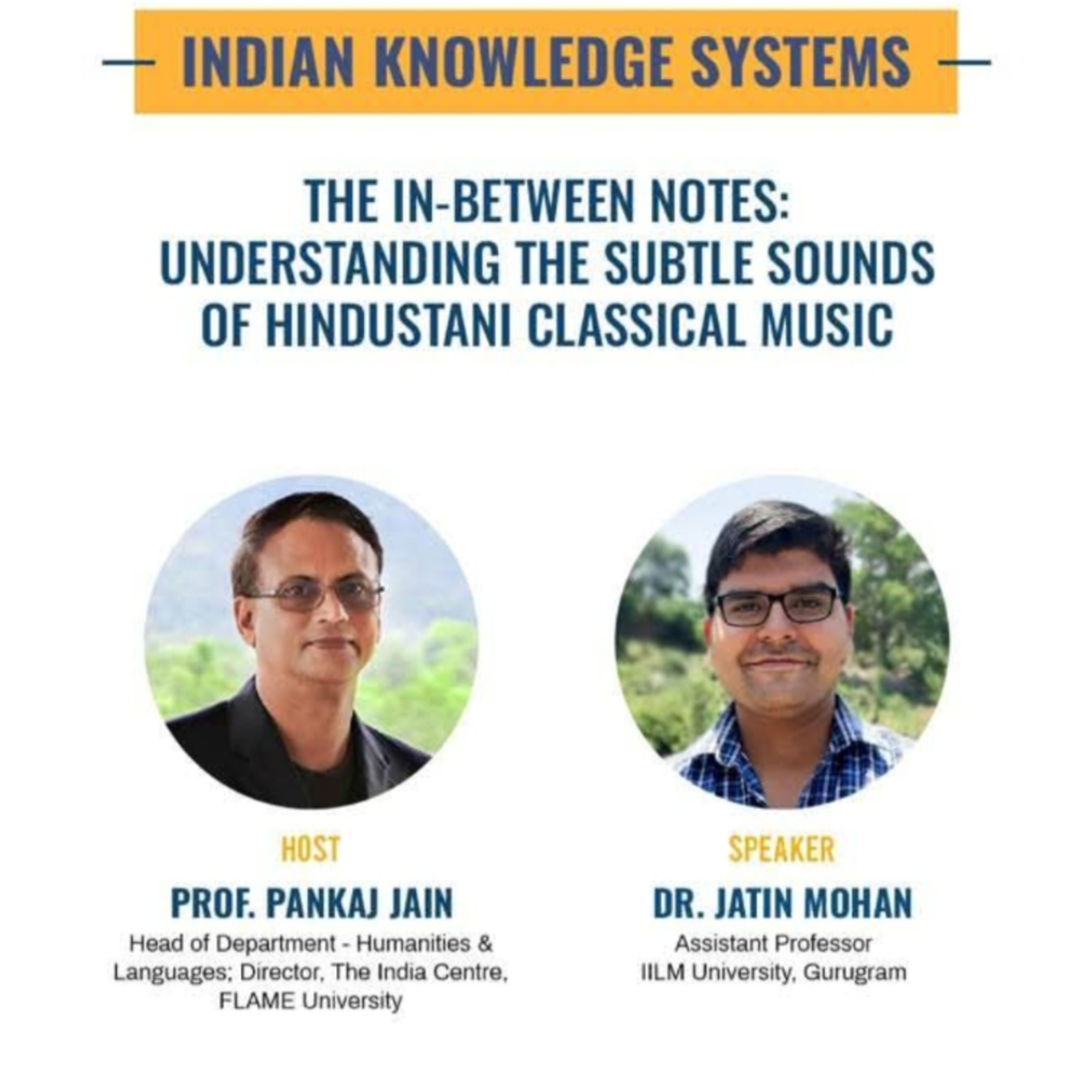
The In-Between Notes: Understanding the Subtle Sounds of Hindustani Classical Music
In Western music, microtonality usually refers to minute intervals smaller than a semitone and is often seen as a unique and experimental practice. However, in Hindustani classical music, these subtle pitch movements are not rare or unusual; they are part of common musical expression. This talk explores how Hindustani musicians use delicate shifts in notes (Swaras) to bring music to life, make phr
120 Bahadur | Rezang La 1962 | Major Shaitan Singh PVC | Haqeeqat | Dada Kishan Ki Jai
Rezang La, 1962, is one of the most powerful chapters in Indian military history. This short documentary-style video remembers the legendary story of 120 Bahadur of the Kumaon Regiment and the unmatched leadership of Major Shaitan Singh, who was honoured with the Param Vir Chakra. Their sacrifice later inspired the iconic film Haqeeqat. His legacy lives on even today, with a village near Jodhpur n
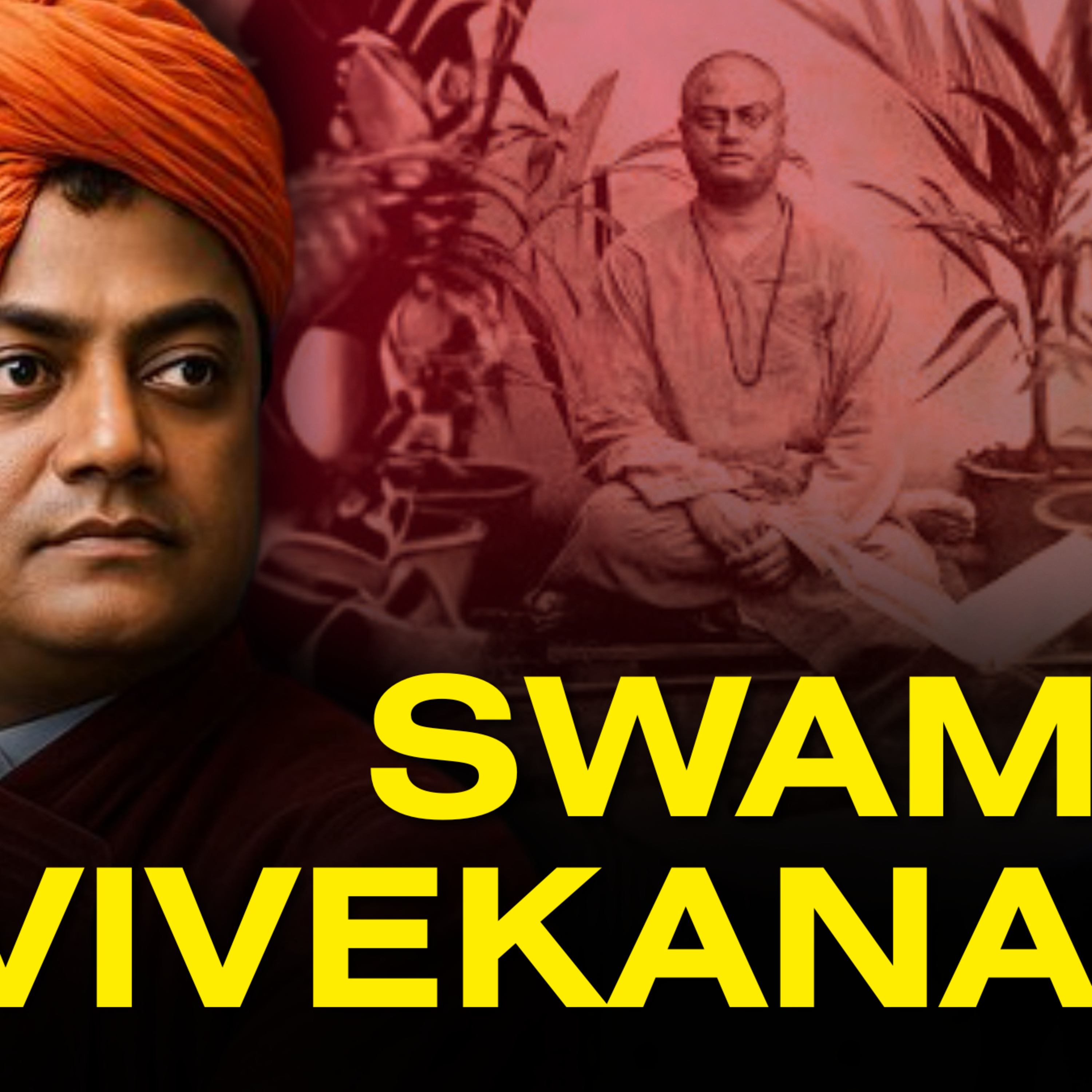
Swami Vivekananda as a Knowledge Thinker | Guruparampara, IKS & Practical Vedanta Explained
This lecture offers a fresh and critical reinterpretation of Swami Vivekananda, moving beyond popular inspirational narratives to examine his role as a knowledge thinker within Indian Knowledge Systems (IKS).Rather than viewing Vivekananda only as a religious reformer or spiritual orator, this talk reframes him as an epistemic innovator who challenged colonial ways of knowing, reasserted Vedanta a
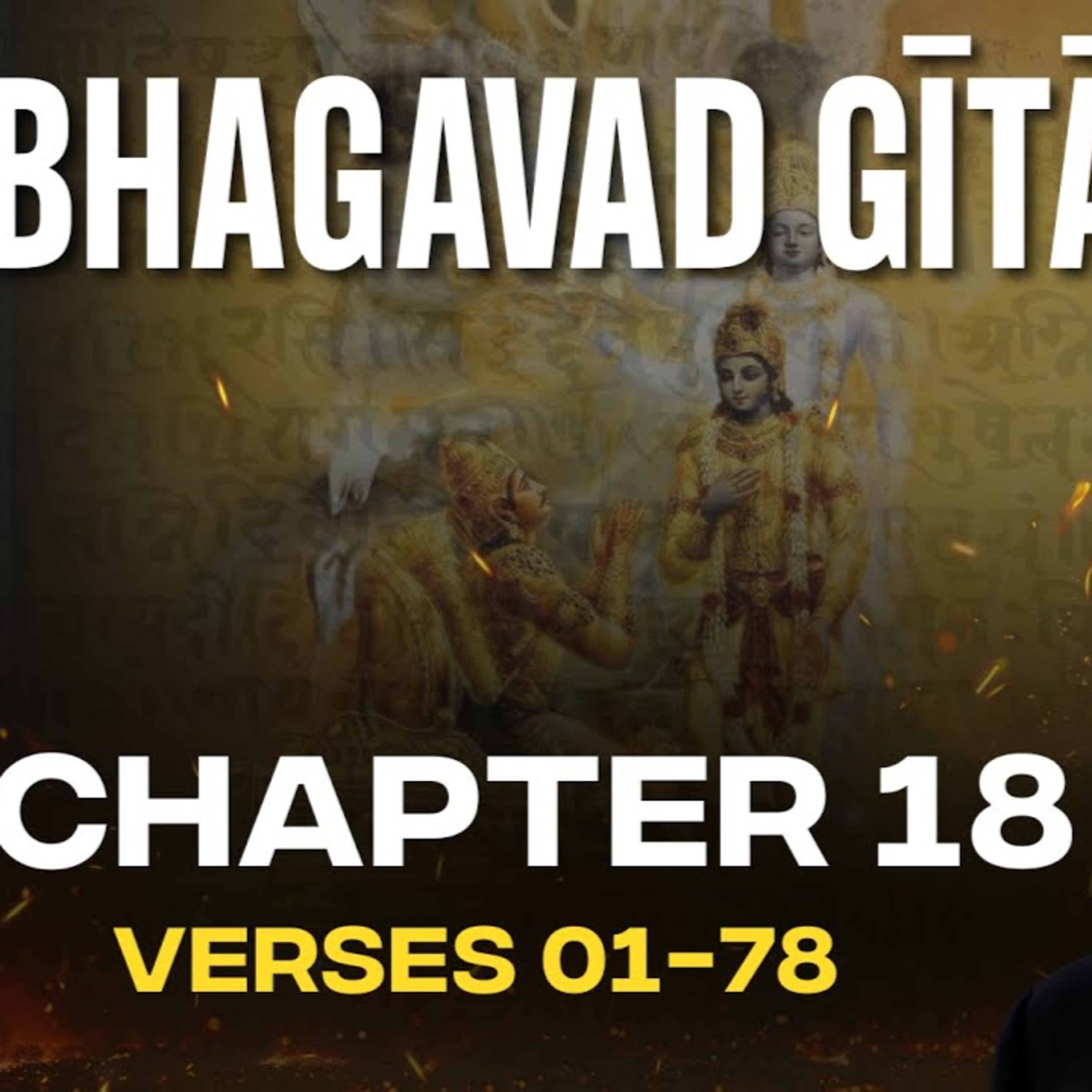
Bhagavad Gita Chapter 15 Explained | The Tree of Life, Purushottama, and the Highest Truth
In this video, we explore Bhagavad Gita Chapter 15, known as Purushottama Yoga, where Krishna explains the famous inverted tree of life and the deeper meaning of human existence. What does the upside-down ashvattha tree really represent? How can one cut the roots of attachment and reach the highest reality? We discuss the perishable and imperishable aspects of existence, the role of the individual
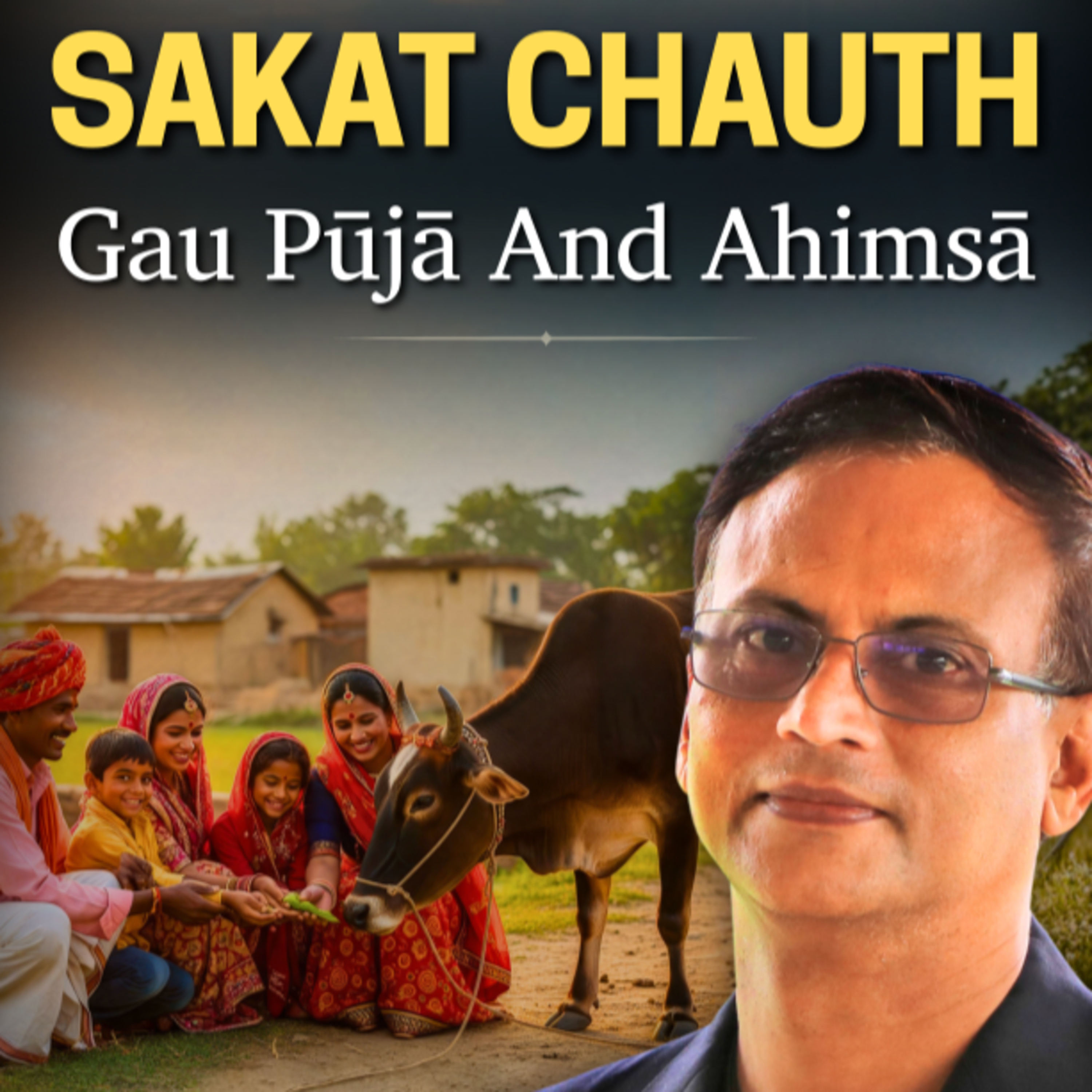
Why Sakat Chauth Is About Dharma, Motherhood, and Ecology
Why do mothers worship the cow on Sakat Chauth?This short explains the deeper Dharmic meaning behind Gau Pūjā—where motherhood, ahimsā, and ecological responsibility come together. In Dharma traditions, prayer is not just asking; it is an ethical action. Feeding and protecting life becomes a way of protecting the future. Sakat Chauth shows how Dharma links personal devotion with care for land, wat
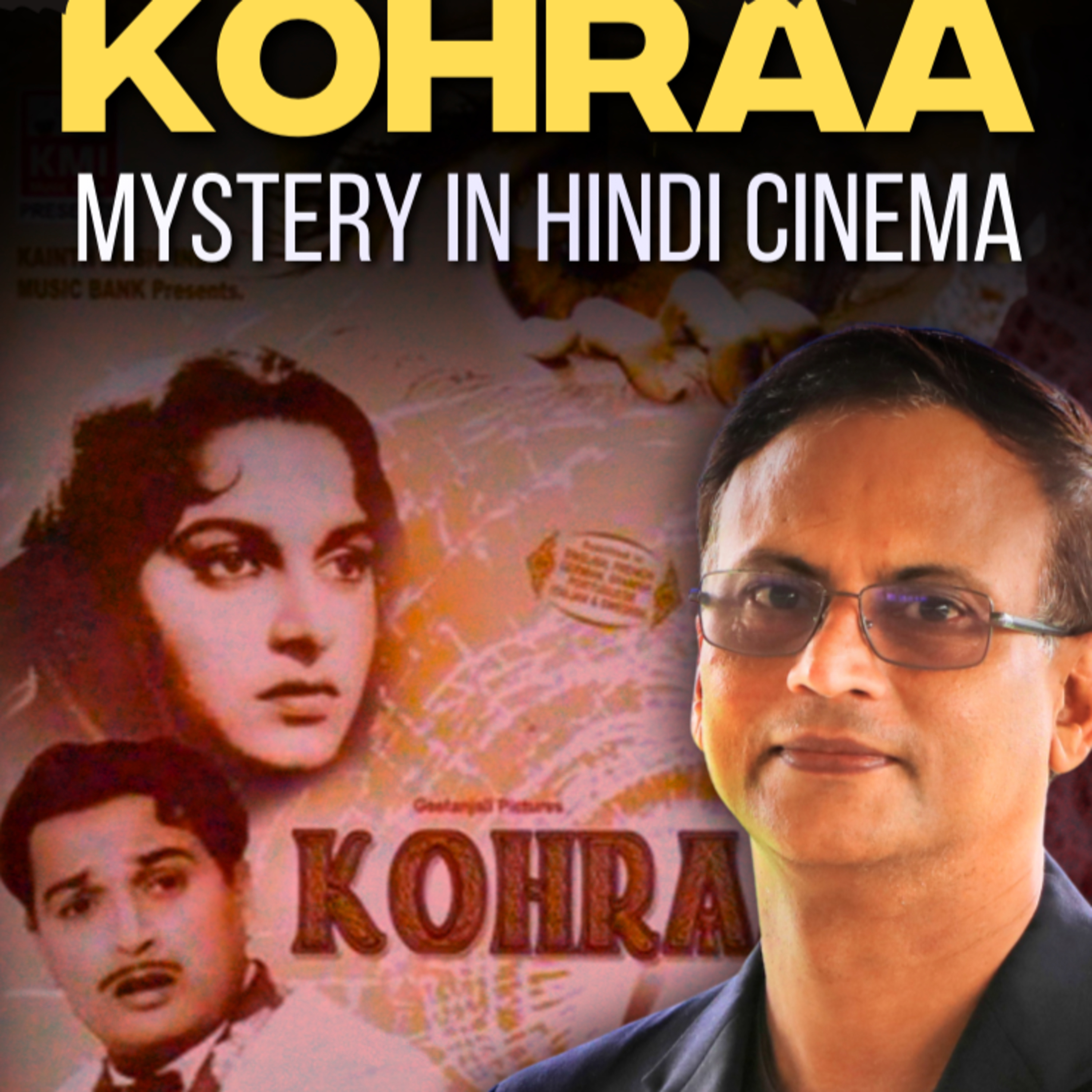
KOHRA (1964) – The Mist of Mystery in Hindi Cinema
Kohra (1964) is one of the most atmospheric and intellectually rich mystery films of classic Hindi cinema. Starring Waheeda Rehman and Biswajeet, directed by Biren Nag, written by Dhruva Chatterjee, and produced by Hemant Kumar, Kohra stands apart for its haunting visuals, psychological depth, and poetic suspense.Inspired by Daphne du Maurier’s Rebecca, the film transforms a Gothic Western novel i
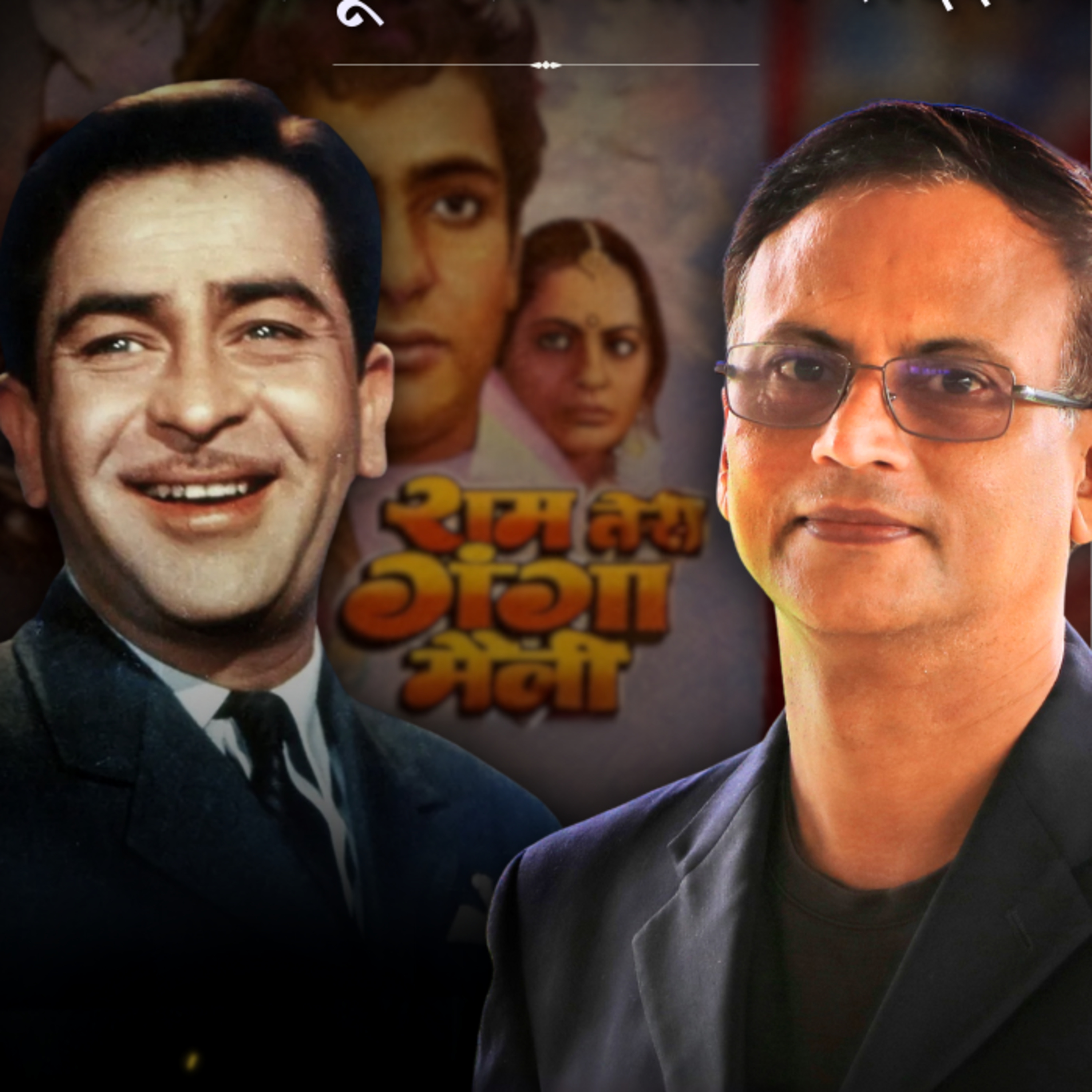
राम तेरी गंगा मैली | गंगा, नारी और भारत की आत्मा | Raj Kapoor
राज कपूर की अंतिम निर्देशित फ़िल्म राम तेरी गंगा मैली केवल एक प्रेम कहानी नहीं है। यह फ़िल्म गंगा नदी की यात्रा के माध्यम से भारत की आत्मा, नैतिकता और पर्यावरणीय चेतना पर गहरा प्रश्न उठाती है।इस वीडियो में हम फ़िल्म को एक सिनेमैटिक और वैचारिक दृष्टि से समझते हैं — गंगोत्री की निष्कलंक पवित्रता से लेकर ऋषिकेश, वाराणसी, कोलकाता और अंततः गंगासागर तक की यात्रा को प्रतीकों और रूपकों के माध्यम से देखते
Recommended

கதைகள் சூழ் உலகு - Kathaigal Soozh Ulagu

Psychovedas

Gumnam Saya – Horror Stories in Hindi

Swag Marathi | MY FM Marathi

A Story a Day ! Keep Your Worries Away

Roz Ki Khabar: Hindi Samachar (रोज़ की खबर: हिंदी समाचार)

Chittukuruvi Tamil Podcast for Children

Konjam Pulambuvom - Tamil Podcast - Oli Murugavel

Pagutharivu Podcast | பகுத்தறிவு பாட்காஸ்ட் | Tamil Podcast

Buddha's Stories: Self-Help, Mental Health and Psychology

Chanakya Niti

Bollywood All Old Songs 70s 80s 90s
